
Reviewed · SUZHOU GARDEN DAY TRIPS
Suzhou Alleyway Walking Food Tour
Suzhou tastes better in alleyways. This Suzhou Alleyway Walking Food Tour blends serious eating with a guided path through Ming Dynasty gardens and waterways, where even the 800-year-old pagodas and hidden monasteries feel reachable. I love the noodle stop with its 500+ toppings and the opera-style local connection, and I love the homemade silken tofu served from a narrow alley—an early-morning labor of love. One consideration: expect lots of walking on side streets, so wear shoes you’re happy to get tested.
I also like how the tour is built for comfort and value. You’re in a small group (max 10), you start at Beisita Subway Station, and you don’t just snack—you sit down for food across multiple restaurants with unlimited bottled water. If you’re sensitive to crowds or prefer fast, marker-to-marker sightseeing, the pace may feel more “wander and eat” than “checklist,” even though it’s well paced.
In This Review
- Key highlights you’ll feel on day one
- Why Suzhou alleyways make more sense with a guide
- What you actually eat: noodles, tofu, wontons, and sesame balls
- Seasonal noodles with 500+ toppings (and a local opera twist)
- Silken tofu from a hidden alley stall
- Sesame balls, soy milk, and Suzhou-style snacks
- Bubble wontons: tiny shapes, serious broth
- A dessert finish that’s not overly sweet
- Ming Dynasty gardens and 800-year-old pagodas: the sights you can’t find on your own
- Hidden Ming-dynasty gardens and Taihu Lake stones
- Monasteries and a Buddhist nunnery (a unique stop)
- Two cultural stops, multiple sit-down meals, and one coffee house
- Timing, pace, and how to prepare so you enjoy all 3.5 hours
- What the pace feels like
- Shoes, water, and carrying less
- Weather matters
- Price and value: is $58 worth it?
- Who should book this Suzhou food-and-garden walk?
- Should you book it? My practical recommendation
- FAQ
- Where does the tour start and end?
- What time does the tour begin?
- How long is the Suzhou Alleyway Walking Food Tour?
- What’s included in the price?
- How many people are in the group?
- Is there an English-speaking guide?
- Do I need a phone ticket?
- What kind of sights are included beyond the food?
- What food items will I try?
- What if the weather is bad?
Key highlights you’ll feel on day one
- 500+ topping noodles tied to how locals eat it alongside opera culture
- Homemade silken tofu from a hidden alley stall, made fresh with an early start
- Ming-dynasty garden walk with Taihu Lake stone features you’ll likely miss alone
- 800-year-old pagodas plus monasteries, including Suzhou’s only Buddhist nunnery
- Bubble wontons in rich broth at a famous local spot loved by neighbors and celebrities
- Dessert finish with slow-cooked red beans and chewy rice balls at a popular shop
Why Suzhou alleyways make more sense with a guide
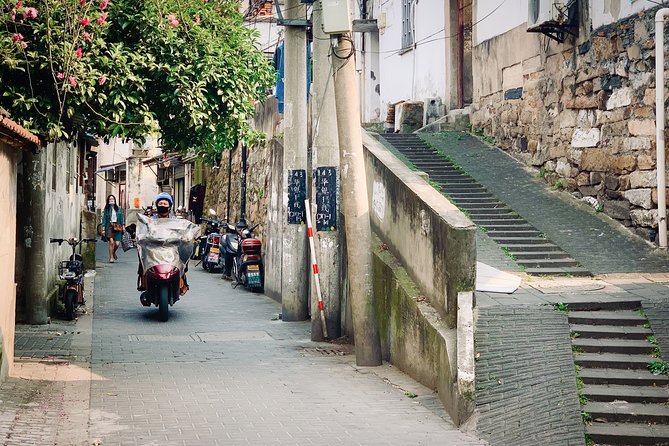
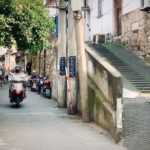
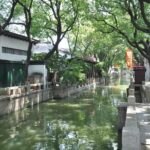
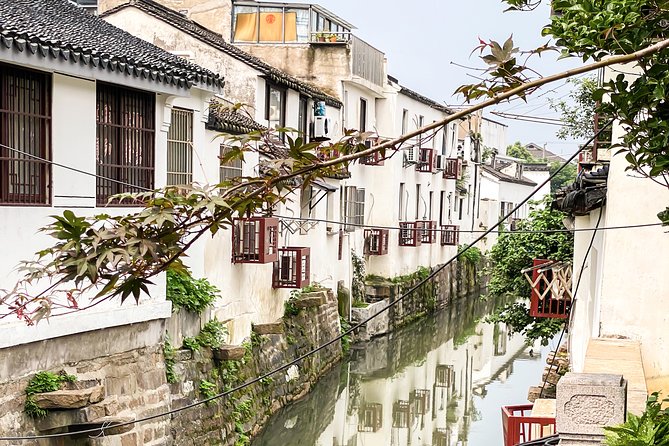
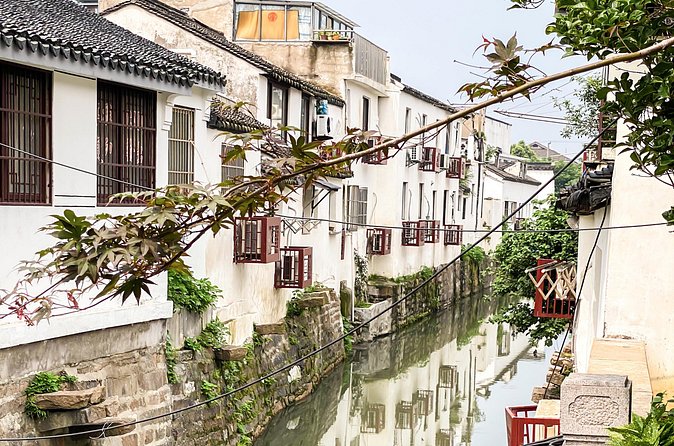
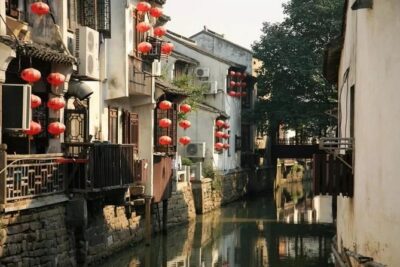
Suzhou is famous for canals, gardens, and old-school neighborhoods that don’t line up neatly with big-tour maps. That’s exactly why this kind of walking food tour works: your guide does the hard part—routing you through lanes that feel like a maze, then timing stops so you get both food and culture without backtracking.
The tour begins near public transit at Beisita (Gusu District), with a 9:30 am start and an end back around the same meeting point. That matters because it keeps the morning simple. You’re not stuck hunting for the first bite, and you’re not scrambling at the end after you’ve eaten your way through the day.
Group size is capped at 10, which keeps things manageable when you’re moving through narrow streets and garden corridors. You’ll still walk a lot—this is not a short hop-between-sites experience—but it avoids that chaotic “everyone splits and regroups” feeling.
More garden mornings out in Suzhou
What you actually eat: noodles, tofu, wontons, and sesame balls
This tour is built around the core Suzhou flavors, and the best part is that you don’t just get one “signature item.” You get a full morning meal’s worth of variety.
Seasonal noodles with 500+ toppings (and a local opera twist)
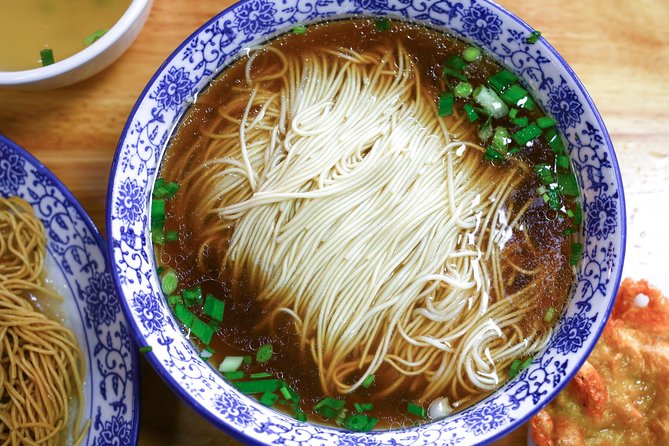
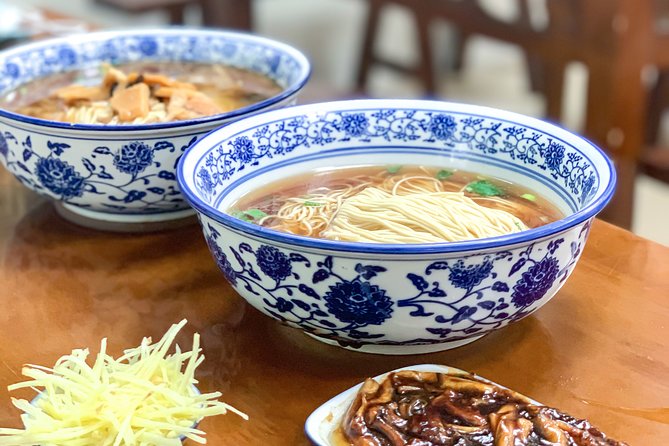
The tour’s noodle stop isn’t treated like an extra. It’s the centerpiece. You’ll sample seasonal Suzhou noodles with over 500 toppings—the kind of customization that turns a bowl into a choose-your-own-adventure. What I find smart here is the explanation behind why locals enjoy it along with opera culture. It gives the food context, not just presentation. When you understand the why, even a simple bowl feels like a tradition, not a tourist dish.
Silken tofu from a hidden alley stall
Next comes homemade silken tofu served at a place hidden in a narrow alley. The key detail is that the family behind it has served fresh tofu for over 50 years, and they start work at 5am. That early start isn’t trivia—it’s part of why the tofu is worth the detour. In a city where you can find tofu everywhere, this is the kind of stop you can’t easily reproduce on your own without local intel.
Sesame balls, soy milk, and Suzhou-style snacks
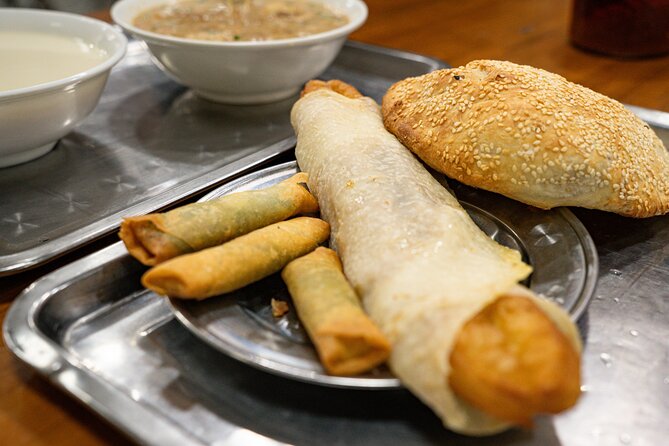
You’ll also try a set of neighborhood favorites: savory soy milk, Suzhou-style spring rolls and donuts, and Tang-dynasty fried sesame balls. The order matters. These are the kinds of foods that help you pace yourself between heavier sit-down meals, and they keep the experience from feeling repetitive.
One practical tip: go in curious, not picky. If you’re the type who freezes at unfamiliar items, ask the guide what something is before you bite. You’ll get English support, and the guide can translate both ingredients and “how locals eat it.”

Bubble wontons: tiny shapes, serious broth
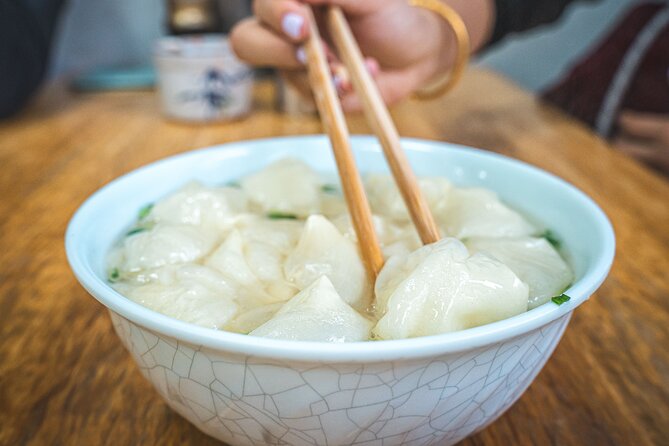
A major highlight is a bubble wonton joint known for small, bubble-like wontons in rich broth. The description even hints at why it has staying power: it’s loved by celebrities and neighbors. That’s the sweet spot you want—famous, yes, but not “famous only because of social media.” This stop gives you a different texture and flavor profile than the tofu and noodle items, so your palate stays awake.
A dessert finish that’s not overly sweet
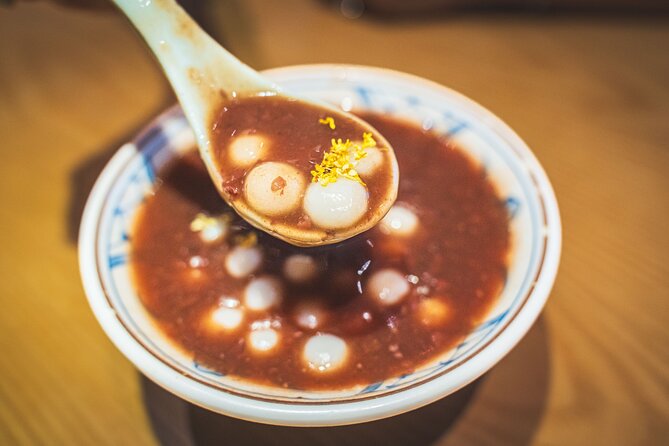
You end at a dessert shop popular with today’s crowd. Expect subtly sweet soup with slow-cooked red beans, topped with chewy rice balls. This is a good closing move. After warm, savory foods, the dessert cleans up the taste buds without turning the experience into a sugar overload.
Ming Dynasty gardens and 800-year-old pagodas: the sights you can’t find on your own
Food is the engine, but the cultural stops are the steering wheel. Suzhou gardens and waterways are famous for a reason, but they’re also easy to miss if you go alone—especially when they’re tucked behind walls, hidden lanes, or garden passages that don’t look like attractions from the street.
Hidden Ming-dynasty gardens and Taihu Lake stones
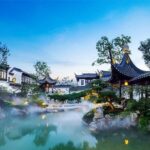
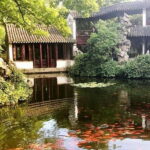
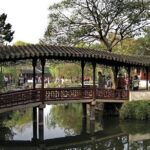
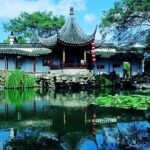
One of the cultural stops includes a hidden Ming-dynasty garden with Taihu Lake stones. Those stones are a signature feature in Suzhou garden design, and they’re the kind of detail that looks cool even when you don’t know the background. The guide adds what to look for, so you notice the shapes and arrangement instead of just walking past them.
Monasteries and a Buddhist nunnery (a unique stop)
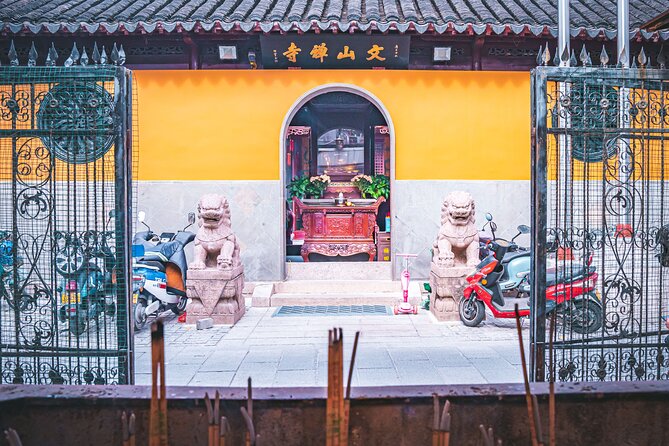
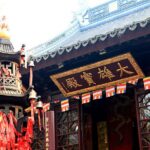
You’ll visit imposing 800-year-old pagodas and also hidden monasteries that can be tricky to find independently. The standout here is Suzhou’s only Buddhist nunnery. That’s a rare category stop—more intimate and quiet than the big “photo pagoda” moments—and it often becomes the part of the tour where you slow down and look around.
Even if religious sites aren’t your usual focus, these stops add depth. You’re not only eating in Suzhou; you’re moving through the settings that shaped how people lived, studied, and gathered.
Two cultural stops, multiple sit-down meals, and one coffee house
The tour includes 2 cultural stops plus 4 sit-down restaurants and a traditional coffee house stop, then the dessert shop. That mix is smart. It breaks the walking into logical blocks: sight, eat, sight, eat. You’re not forced to choose between culture and food—both come packaged in the same flow.
Timing, pace, and how to prepare so you enjoy all 3.5 hours
The total time is about 3 hours 30 minutes, including walking and multiple meal stops. That can sound short, but it’s long enough to work up an appetite, then keep feeding it—so plan your morning accordingly.
What the pace feels like
You’re moving between locations in an old-city maze, plus you’ll spend time at the gardens and temples. Because the group size is small, the pace stays human. You’re not sprinting, but you are walking continuously enough that comfortable shoes matter.
Shoes, water, and carrying less
Unlimited bottled water is included, which is a real help during warm or humid weather. Still, keep your load light—no big daypack. Narrow lanes mean you don’t want to be maneuvering around others with bulky stuff.
Weather matters
The experience requires good weather. If conditions aren’t right, it may be rescheduled or you’ll receive a full refund. So if you can choose your date, pick one that looks stable on the forecast.
Price and value: is $58 worth it?
At $58 per person, this tour isn’t the cheapest “grab food and go” option. It also isn’t priced like a private luxury experience. What justifies the cost is the structure: you’re paying for an English-speaking guide, coordinated timing, and multiple seated food stops.
Here’s the value logic as I see it:
- You get a lot of food: brunch-level variety across 5 sit-down restaurant meals plus dessert.
- You get culture with logistics handled: garden and temple stops that are difficult to find alone.
- You get a small-group format (max 10), which makes the experience feel organized instead of chaotic.
- You get unlimited bottled water, which keeps the morning smooth.
Also, the tour is commonly booked about 12 days in advance on average, so if you’re traveling in a busy season, it’s wise to lock it in sooner rather than later.
Who should book this Suzhou food-and-garden walk?
This fits best if you want a morning that blends taste and place—classic Suzhou without the stress of planning every turn.
You’ll especially enjoy it if:
- you like food tours where you actually sit and eat (not just quick street bites)
- you’re interested in Suzhou’s Ming Dynasty gardens, pagodas, and monasteries
- you want help finding places that are hard to reach on your own
- you’re comfortable walking for a few hours in older neighborhoods
It may not be your ideal match if you:
- hate walking through narrow lanes
- want only the most famous, easy-to-find monuments and nothing else
- prefer to control every meal detail without a guided plan
Should you book it? My practical recommendation
If you’re doing Suzhou for the first time and you want both the food and the places that make Suzhou feel like Suzhou, I think this is a smart booking. The price makes more sense once you consider the number of sit-down stops, the included water, and the fact that the guide helps you reach sites that would be a hassle alone—especially the hidden gardens and the Buddhist nunnery.
My call: book it when you have a morning with decent weather, wear good walking shoes, and go hungry enough that you can enjoy the full progression from savory snacks to noodles, then tofu and wontons, then dessert.
FAQ
Where does the tour start and end?
It starts at Beisita in Gusu District, Suzhou (215005) and ends back at the meeting point.
What time does the tour begin?
The start time is 9:30 am.
How long is the Suzhou Alleyway Walking Food Tour?
It runs about 3 hours 30 minutes.
What’s included in the price?
The tour includes brunch and drinks at five sit-down restaurants, a local English-speaking guide, multiple cultural stops, unlimited bottled water, and a traditional coffee house stop.
How many people are in the group?
The tour has a maximum of 10 travelers.
Is there an English-speaking guide?
Yes, the guide is English speaking.
Do I need a phone ticket?
Yes, it uses a mobile ticket.
What kind of sights are included beyond the food?
You’ll visit Ming Dynasty gardens and waterways, 800-year-old pagodas, hidden monasteries, and Suzhou’s only Buddhist nunnery.
What food items will I try?
You’ll sample specialty noodles with many toppings, homemade silken tofu, savory soy milk, Suzhou-style spring rolls and donuts, Tang-dynasty fried sesame balls, bubble wontons, and a red bean dessert with chewy rice balls.
What if the weather is bad?
The tour requires good weather. If it’s canceled due to poor weather, you’ll be offered a different date or a full refund.
More Tour Reviews in Suzhou
More Garden Days in Suzhou
Just In: The Newest Shanghai Reviews


Suzhou Garden Day Trips, compared.
 ★ 4.0Suzhou and Zhouzhuang Water Village Day Trip from ShanghaiFrom $135426 reviews
 ★ 5.0Suzhou Private Day Trip from Shanghai with Bullet Train OptionFrom $193366 reviews
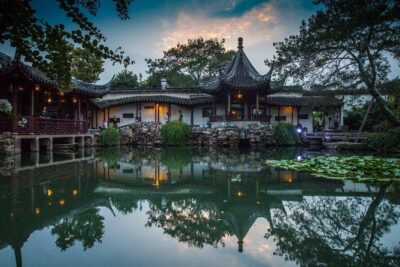 ★ 5.0Private Suzhou Day Trip from Shanghai by Bullet Train with All Inclusive OptionFrom $220283 reviews
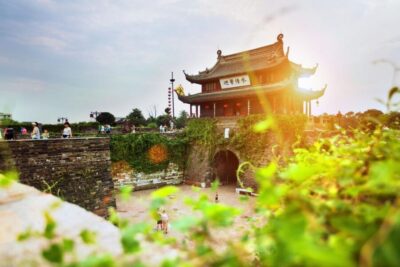 ★ 5.0All-Inclusive Suzhou Day Trip by Bullet TrainFrom $288137 reviews
 ★ 4.8Su Zhou and Zhou Zhuang Water Village Day TourFrom $24069 reviews
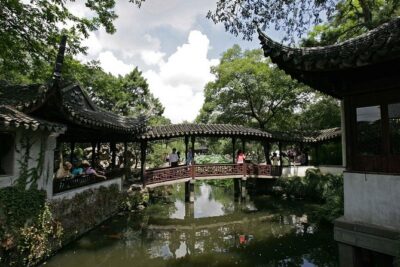 ★ 5.0Private Day Tour: Suzhou Incredible Highlights from Shanghai by Car or TrainFrom $20947 reviews
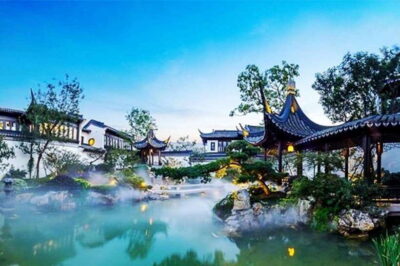 ★ 5.0Suzhou Private Guided Day Trip from Shanghai by Bullet TrainFrom $21846 reviews
 ★ 5.0Private Suzhou and Zhouzhuang or Tongli Tour from ShanghaiFrom $28045 reviews
Browse the lists this tour appears in