
Reviewed · SHANGHAI CITY HIGHLIGHTS TOURS
Private Full-Day Tour: Shanghai Past and Present
Shanghai changes by the block. This private 8-hour day is a smart way to see old Shanghai and modern Shanghai in one line, with guided context you can actually use. I especially like the calm of Yuyuan Garden and the way a private, English-speaking guide helps you connect buildings, temples, and trade to what Shanghai became. The one drawback: it is a full day with multiple walking stops, so if you prefer long, slow breaks, you may wish you had a little more cushion time.
You’ll start with hotel pickup (within the Middle Ring Zone) and ride in an air-conditioned vehicle, then move as a group with your guide instead of juggling maps and transit. One guide name that shows up in feedback is Jack, mentioned as very good, which is a nice signal that the guide experience matters here.
In This Review
- Key things I’d zero in on
- Why this private Shanghai route works so well
- The morning: hotel pickup and getting your bearings fast
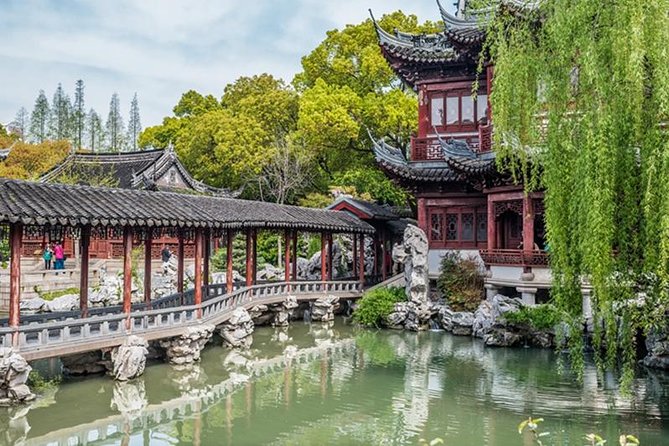
- Yuyuan Garden (Yuyuan): Ming-era design you can walk through
- Jade Buddha Temple: two jade Buddhas in a working spiritual space
- Shikumen Museum: Shanghai’s stone-gate homes and what remains
- Silk reeling factory: the industrial Shanghai side you can actually see
- Lunch in a Chinese restaurant: included, with dietary options
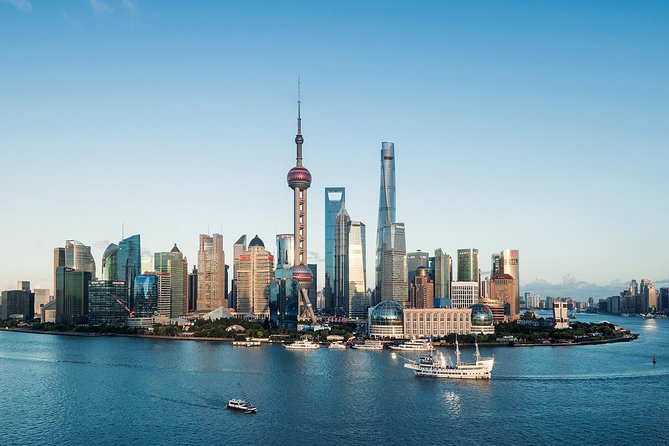
- The Bund: 19th-century waterfront views and 52-building symmetry
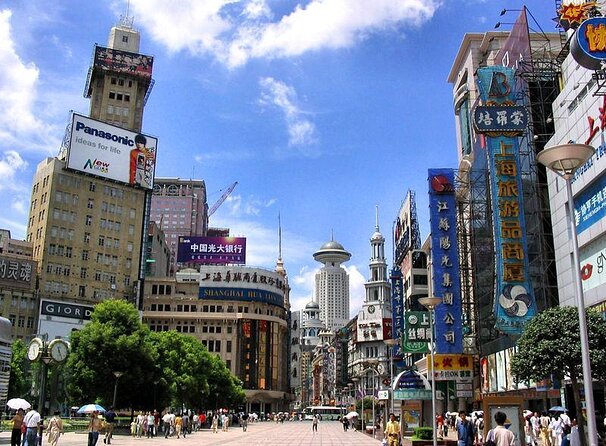
- Nanjing Road: modern China in a pedestrian shopping strip
- Price and value: is $147.20 worth an 8-hour private day?
- Tips so the day feels smooth, not rushed
- Who should book this tour (and who might skip it)
- Should you book this Private Full-Day Tour?
- FAQ
- How long is the Shanghai Past and Present private tour?
- What time does the tour start?
- What’s included in the price?
- What stops are included on the tour?
- Is lunch included, and can I request dietary options?
- Is the tour private or shared?
- Where is hotel pickup available?
- Do I need to buy entrance tickets separately?
Key things I’d zero in on
- A private guide that adds context, so you’re not just taking photos of landmarks
- Yuyuan Garden (about 400 years old), with ponds, pavilions, bridges, and Ming-style layout
- Jade Buddha Temple (working temple), including two prominent jade Buddha statues
- Silk reeling factory stop, a rare look at how silk threads get made from cocoons
- The Bund’s European-style waterfront, including views across to Pudong
- Nanjing Road time, practical for shopping and seeing modern street life
Why this private Shanghai route works so well
Shanghai can feel like two cities stapled together: one side is classical, canal-like Shanghai of gardens and temples; the other is skyscrapers, department stores, and neon-era speed. This tour is designed to connect those halves instead of making you guess what you’re looking at.
I like that the pacing gives you a mix of quiet and loud. You get the soft geometry of a traditional Chinese garden, then a lively working religious site, then you shift gears to trade and industry (silk), and finally you land at the big visual set pieces: The Bund and Nanjing Road.
Because it’s private, you’re not stuck following a rushed script. Your guide can steer explanations toward what you care about most—architecture, history, daily life, or how Shanghai became a global trading hub.
See the city highlights another way

The morning: hotel pickup and getting your bearings fast
The day starts at 8:30 am with hotel pickup and drop-off (pickup within the Middle Ring Zone). That matters in Shanghai, because getting across the city on your own can eat up time you’d rather spend walking and looking.
Once you’re in the A/C vehicle, your guide sets the scene: Shanghai began as a fishing village, then became a treaty port in 1842 after the British influence in the region. Over the next decades, British, French, and American enclaves formed, turning the city into a famous early-20th-century style of international hub that many people shorthand as the Paris of the East. Today, you still see that layering—high rises and modern business, plus older blocks that explain how the city grew.
This is the real value of a guided day like this. You arrive at Yuyuan Garden and the temple already understanding why they matter in Shanghai’s story, not just that they’re old and pretty.
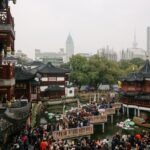
Yuyuan Garden (Yuyuan): Ming-era design you can walk through
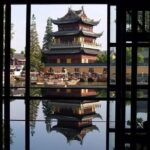
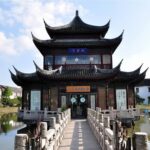
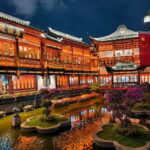
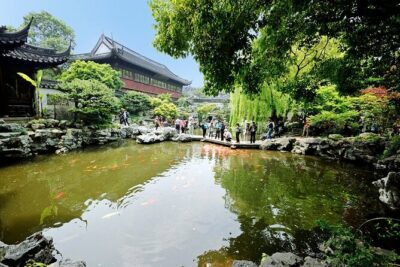
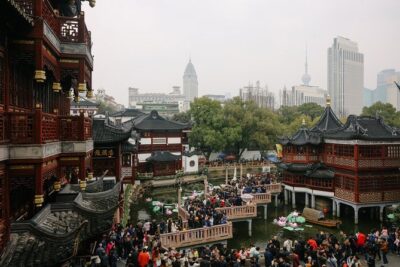
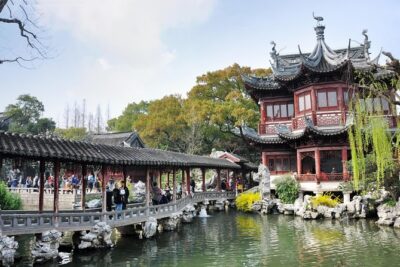
Your first major stop is Yuyuan Garden, located in Shanghai’s old quarter. This garden is believed to date back about 400 years—built as a private garden in 1559 during the Ming Dynasty. It’s laid out over roughly 2 hectares, with rockeries, pavilions, ponds, and corridor-style paths.
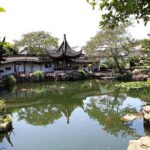
What I love here is that the garden isn’t a single photo spot. It’s a sequence. You’ll move through layered views: water next to stone, a pavilion peeking over a pond, bridges that change your perspective, and sculptural details that reward slowing down for a few minutes at a time.
Practical note: the garden is the kind of place where your shoes matter. Paths and courtyards can involve lots of turning and short distances, so wear something comfortable and easy to walk in.
Jade Buddha Temple: two jade Buddhas in a working spiritual space
After the garden calm, you head to Jade Buddha Temple. The temple dates to 1918, and it’s a popular destination for locals as well as visitors—because it’s not just a museum stop.
The main treasures are two Buddha statues imported from Burma by sea, carved from single blocks of jade: one pale green, one white jade, both adorned with precious stones. You’ll walk through halls where monks, worshipers, and visitors keep the place active. That means you’re seeing religion as something practiced now, not just something performed for tourists.
The time here is about 40 minutes, which is short enough that you’ll want to listen closely to your guide’s context rather than trying to read every plaque. If you’re the kind of traveler who likes understanding what objects mean and why certain rooms are arranged the way they are, this stop is strong.
Shikumen Museum: Shanghai’s stone-gate homes and what remains
Next is Shikumen Museum, Shanghai—a stop that changes the vibe from sacred sites to everyday housing. Shikumen (also called stone gate) is a housing style linked to a huge share of older Shanghai life. The tour description puts it boldly: 80% of Shanghainese were born and grew up before the 1990s in Shikumen style homes.
As the city’s economy changed, these neighborhoods shifted too. Many Shikumen buildings have turned into gathering spots—bars, tea houses, and entertainment centers—so the museum visit gives you a look at what was there, even if the surrounding blocks have evolved.
You’ll have about one hour, and you’ll likely see a small “snapshot” of old domestic life through Wu Li Xiang, described as a small exhibition of old Shanghainese home furnishings. Think of it as a doorway into the idea, not an all-day deep archive.
Prefer your own group? More private Shanghai trips

Silk reeling factory: the industrial Shanghai side you can actually see
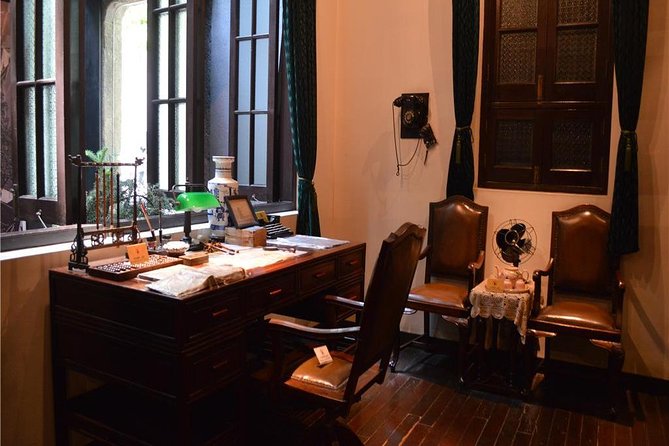
Lunch comes next, and then you continue to a silk reeling mill/factory. This is one of the most practical, hands-on style stops in the day because you’re watching a process rather than just looking at artifacts.
The tour description focuses on how raw silk is made from silkworm cocoons and then teased into threads. In other words, you’re seeing the transformation step that turns a living-cocoon product into usable silk thread.
This works well as a contrast to the garden and temple stops. Shanghai’s story isn’t only about high society and foreign architecture; it’s also about production, trade, and work. A silk reeling demonstration helps you connect that to why Shanghai could function as a gateway for global commerce.
Timewise, you’ll have enough runway to observe the process and take in your guide’s explanation, but the day stays structured—so you don’t lose yourself chasing details at the expense of the big waterfront and shopping time later.
Lunch in a Chinese restaurant: included, with dietary options
Lunch is included and served at a local Chinese restaurant. The good part for planning is that you already know you won’t need to hunt for food mid-tour.
There’s also a clear note on dietary needs: vegetarian or gluten-free options are available if you advise when booking. That’s a big practical win on a day packed with moving parts.
If you’re someone who worries about timing, included lunch helps you keep momentum. Just remember this is an all-in-one day, so don’t plan to squeeze in a long dessert detour afterward—you’ll want to save your energy for the afternoon walking.
The Bund: 19th-century waterfront views and 52-building symmetry
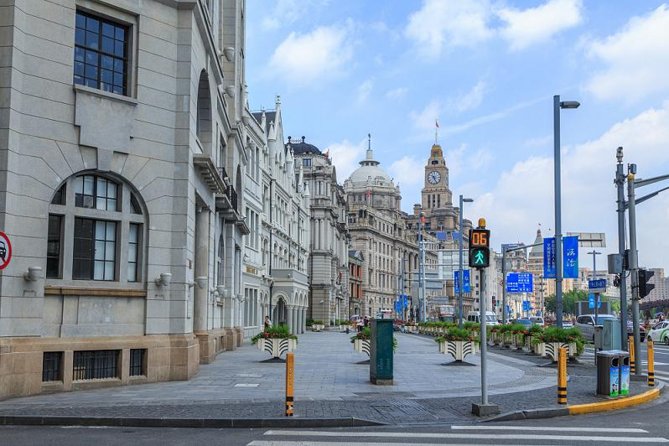
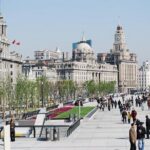
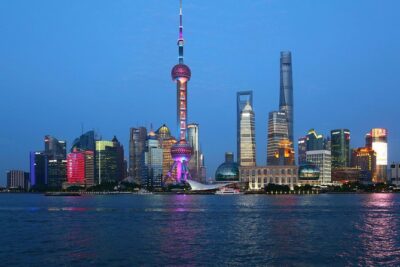
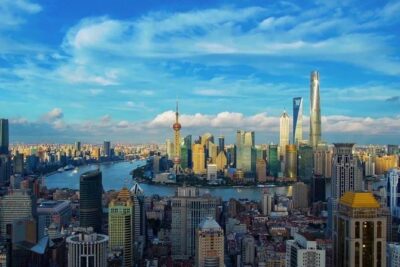
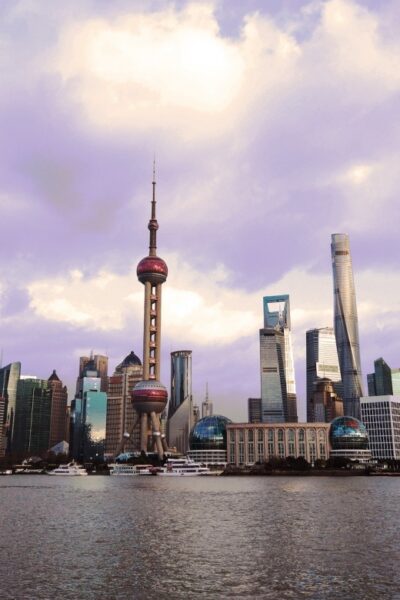
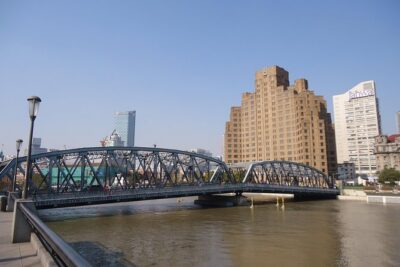
Then you reach The Bund (Wai Tan)—the iconic waterfront along the Huangpu River. This section runs about 1.5 kilometers along the western bank. On that side, you’re looking at an “architecture gallery” of 52 well-preserved European-style buildings from the colonial trading era.
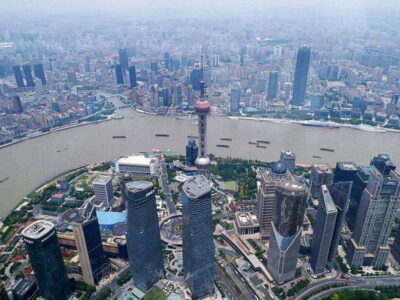
What makes this stop satisfying isn’t just the buildings—it’s the staging. You’re along the river edge, with a clear line of sight across the water to Pudong, where the modern skyline rises. It’s a direct visual comparison between eras, exactly the kind of contrast that this tour promises.
You’ll spend about one hour here. That’s a good length for a slow walk, a few photos, and letting the skyline sink in without feeling like you’re stuck for hours in one spot.
If you like photography, this is where it can start to feel like Shanghai looks like postcards—but try to also notice the details: the building fronts, the spacing, and the way the architecture creates a continuous street-like rhythm along the waterfront.
Nanjing Road: modern China in a pedestrian shopping strip
After The Bund, you’ll head to Nanjing Lu (Nanjing Road), Shanghai’s busiest shopping street. The tour description frames it as a microcosm of modern commercial China: you’ll find time-honored Chinese brands alongside international designer boutiques.
This part of the day is shorter—about 30 minutes—so treat it as a quick walk-through rather than a full shopping mission. I’d use it for two things:
- getting oriented to the modern city’s pace and scale
- picking up small souvenirs or snacks without committing your whole afternoon to shopping
Also, Nanjing Road is described as pedestrianized, which makes it easier to navigate compared with street traffic.
Price and value: is $147.20 worth an 8-hour private day?
At $147.20 per person for about 8 hours, the value depends on what you’d otherwise pay for the same day.
Here’s what’s included that most self-planned days end up cobbling together:
- private transport with A/C
- hotel pickup and drop-off (within the Middle Ring Zone)
- professional English-speaking guide
- all admission tickets listed in the itinerary
- lunch at a Chinese restaurant
- mobile ticket support
If you were trying to do this solo, you’d spend time arranging transit, paying separate tickets, and trying to understand what you’re looking at without a guide. For a “past and present” route, context is the difference between sightseeing and actually understanding Shanghai’s logic.
This tour is also private, which means the group size is your group only. That can be a big quality-of-day factor, especially on a packed schedule with indoor temple time and outdoor walking.
Tips so the day feels smooth, not rushed
This is a structured day, so your job is to make it easier on yourself.
- Wear comfortable shoes. You’ll walk through garden paths and then around the waterfront and shopping street.
- Use the dietary option early. If you need vegetarian or gluten-free food, mention it at booking so the lunch matches your needs.
- Plan for a real full-day effort. The tour starts at 8:30 am and ends with hotel drop-off after about 8 hours. Treat it like a day trip, not a half-day stroll.
- Bring your camera, but also look up. The best parts of The Bund and the temple aren’t just objects; they’re the way spaces are arranged and how light moves across them.
- Weather matters. The experience notes that it requires good weather. If you’re booking around rainy weeks, keep expectations realistic and consider flexibility.
Who should book this tour (and who might skip it)
This tour fits best if you want:
- a guided day with historical and cultural context
- a mix of gardens, a working Buddhist temple, housing history, silk production, and modern Shanghai
- the convenience of pickup/drop-off and included tickets and lunch
It’s also a great choice if you’re short on time and want a single day that connects multiple “Shanghai faces” without you doing the logistics work.
You might consider something else if you:
- dislike packed schedules and want lots of downtime between stops
- plan to stay in the far-out districts where pickup may not be available (pickup is within the Middle Ring Zone)
Should you book this Private Full-Day Tour?
If you’re trying to understand Shanghai quickly—without turning the day into a scavenger hunt—this is a strong pick. The best part is the pairing: classical charm (Yuyuan Garden), spiritual depth (Jade Buddha Temple), everyday life context (Shikumen), and the work-and-trade angle (silk reeling), then finishing with the big visual comparison at The Bund and modern street life at Nanjing Road.
If you care about guide quality, that’s worth noting. Feedback highlights a guide named Jack as very good, and for this style of tour, that guide effect is often what you remember most.
FAQ
How long is the Shanghai Past and Present private tour?
It runs for about 8 hours.
What time does the tour start?
The start time is 8:30 am.
What’s included in the price?
The tour includes private transport with hotel pickup and drop-off (within the Middle Ring Zone), a professional English-speaking guide, entrance fees, lunch, and a mobile ticket.
What stops are included on the tour?
You’ll visit Yuyuan Garden, Jade Buddha Temple, Shikumen Museum, The Bund, and Nanjing Road, and you’ll also see a silk reeling factory.
Is lunch included, and can I request dietary options?
Lunch is included at a Chinese restaurant. Vegetarian or gluten-free options are available if you advise at booking.
Is the tour private or shared?
It’s private. Only your group will participate.
Where is hotel pickup available?
Hotel pickup and drop-off are available within Shanghai’s Middle Ring Zone.
Do I need to buy entrance tickets separately?
No. The listed admission tickets in the itinerary are included.
More Tours in Shanghai


More Tour Reviews in Shanghai
City Highlights, One More Way


Just In: The Newest Shanghai Reviews





Shanghai City Highlights Tours, compared.
 ★ 5.0Zhujiajiao Water Town and Shanghai City Private Day TourFrom $2461,016 reviews
 ★ 5.0Private Shanghai Full Day City Tour with Old and New HighlightsFrom $115995 reviews
 ★ 4.0Best of Shanghai Day Tour, including Jade Buddha Temple & Bund & Yuyuan GardenFrom $79338 reviews
 ★ 5.04-Hour Flexible Private Shanghai City TourFrom $115235 reviews
 ★ 4.98-Hour Private City TourFrom $135230 reviews
 ★ 5.04-Hour Private Shanghai City Tour with Old and New HighlightsFrom $93199 reviews
 ★ 4.9Shanghai One Day City Private Tour by German-Speaking GuideFrom $158180 reviews
 ★ 5.0Private Amazing Shanghai City Day Tour in Your WayFrom $135147 reviews
Browse the lists this tour appears in