
Reviewed · TEA, CALLIGRAPHY & CHINESE CRAFTS
Shanghai: Chinese Tea Ceremony Experience
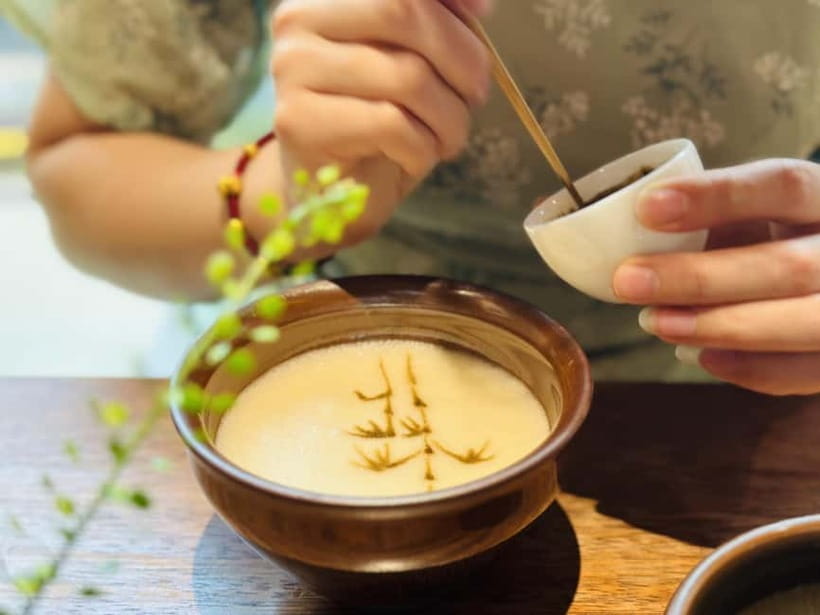
Tea gets serious when you taste blind. In Shanghai’s Chinese Tea Ceremony Experience, you’ll get a blind tasting of multiple teas and learn Song Dynasty tea whisking and brewing with a tea expert. One catch: it’s not suitable for wheelchair users or people with food allergies, so check that first.
This is a focused 3-hour session with a small group limited to 8 people, taught in English and Chinese. You’ll also get an assortment of teas, plus snacks to keep you comfortable as you slow down and taste. If strong smells bother you, you’ll want to skip heavy perfume so you can actually notice what’s in the cup.
In This Review
- Key takeaways before you book
- What This 3-Hour Shanghai Tea Ceremony Really Gives You
- Blind Tasting: The Fastest Way to Train Your Palate
- The Three Tea Categories: Spotting Differences Between Sips
- Song Dynasty Tea Whisking and Brewing: Technique You Can Actually Practice
- The Ritual Feel: Hospitality, Snacks, and a Photo-Friendly Bonus
- Price and Value: Is $143 Reasonable for a Tea Master Session?
- What to Expect Moment by Moment (And Where It Might Feel Tricky)
- Practical Tips: What to Bring and How to Get Better Aromas
- Who Should Book This Tea Ceremony (And Who Should Skip It)
- Should You Book This Shanghai Chinese Tea Ceremony?
- FAQ
- How long is the Shanghai Chinese Tea Ceremony Experience?
- What’s included in the price?
- How many people are in the group?
- What languages will the instructor use?
- Do I need to know anything about tea before I go?
- Is transportation included?
- Is it suitable for wheelchair users or people with food allergies?
- Can I cancel or pay later?
Key takeaways before you book
- Blind tasting trains your nose and palate fast, using aroma and texture, not labels
- Song Dynasty tea whisking is hands-on, so you learn technique, not just theory
- Three tea categories help you spot how processing changes flavor and mouthfeel
- Small group of 8 means you can ask questions and get closer attention
- Snacks included make the experience easier to enjoy without rushing
What This 3-Hour Shanghai Tea Ceremony Really Gives You
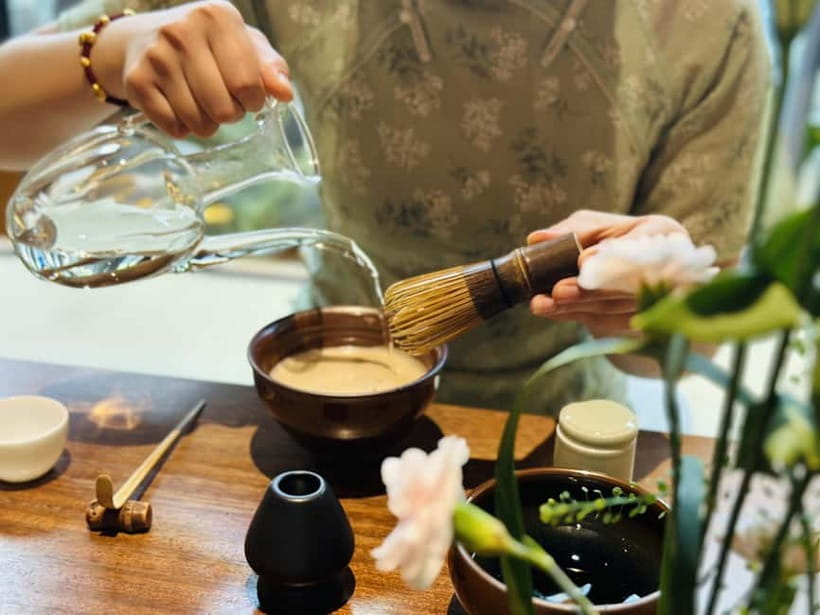
Shanghai has plenty of tea shops. This experience goes one step deeper: you learn how to taste tea like it’s part of daily culture, not just a drink.
I like that the format is built around sensory learning. You’re guided to notice aroma first, then flavor, then texture—so you start building real taste memory instead of guessing. And because the group is capped at 8, it stays calm and personal, the way a good tasting should.
You’re also not stuck listening. The session includes hands-on Song Dynasty tea whisking and brewing, which helps you understand why people talk about tea as technique and ritual, not just ingredients.
Sit down to more tea, brush and craft sessions
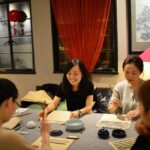
Blind Tasting: The Fastest Way to Train Your Palate
The star skill here is the blind tasting. You taste an assortment of Chinese teas without relying on labels, so your brain can’t cheat.
In practice, this usually means you’ll pay attention to:
- aroma (before sipping)
- flavor (as it hits)
- texture (how it feels as you swallow)
This matters for value because tea is subtle. If you only taste one tea once, you’ll remember the general vibe. Blind tasting pushes you to compare, and comparison is how you actually learn.
It also makes the experience fun for beginners. You don’t need tea vocabulary. You just need senses and a willingness to slow down for a few minutes at a time.
The Three Tea Categories: Spotting Differences Between Sips
A big part of this ceremony is tasting China’s three major tea categories during the session. The point isn’t to name them on a test. It’s to learn what changes when tea class changes.
As you move from one category to the next, you’ll focus on:
- how the aroma shifts
- how sweetness or bitterness shows up
- how the finish feels in your mouth
That sequence is useful because it teaches cause and effect. Even if you don’t leave with a spreadsheet of flavors, you’ll leave with a stronger sense of what kind of tea you naturally enjoy—and what you might want to try next on your own.
From the reviews I read, people especially liked that the instruction tied meaning and tradition to what they were tasting. That combination is key: otherwise you just drink a flight and move on.
Song Dynasty Tea Whisking and Brewing: Technique You Can Actually Practice
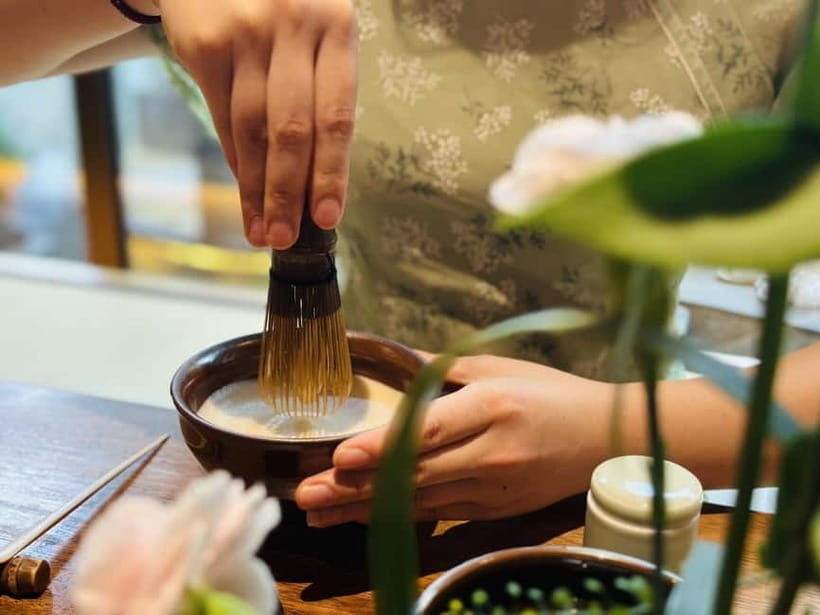
The Song Dynasty segment is the hands-on piece. You’ll learn the art of tea whisking and brewing in a small group, guided by a tea expert.
Why this is worth your time: whisking changes how tea feels in your cup. Technique affects consistency, aroma release, and the overall drinking experience. When you practice the steps yourself, you stop treating tea as random and start treating it as craft.
Also, this part is where questions come alive. You can ask what you’re doing and why—especially if the drink behaves differently than you expected. In a group of up to 8, you’re not competing for attention.
The Ritual Feel: Hospitality, Snacks, and a Photo-Friendly Bonus
Tea ceremonies often get marketed as strict and formal. This one keeps the tone elegant, but it’s also practical.
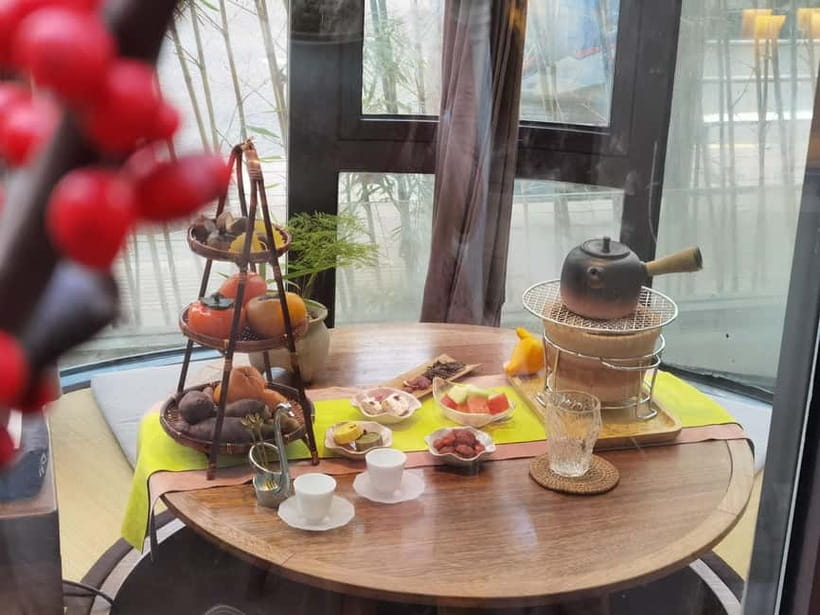
Expect a graceful welcome rooted in traditional hospitality, then a structure that guides you from tasting to technique to reflection. It’s the kind of pacing that makes the whole thing feel like a break from Shanghai’s faster pace.
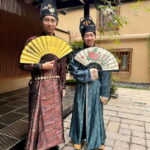
Snacks are included, which helps you stay comfortable across a full three hours. And one extra detail I’d keep on your radar: there may be optional dress-up for photos. If you like light, playful extras, it’s a fun way to take a memory without turning the ceremony into a theme park.



Price and Value: Is $143 Reasonable for a Tea Master Session?
$143 per person sounds specific, so let’s talk value.
You’re paying for several things that often get separated in other experiences:
- an expert tea guide
- an assortment of Chinese teas
- snacks during the session
- hands-on instruction, not just observation
- a small group size (limited to 8)
Three hours is long enough to actually learn. Short tastings can feel like a quick sampler. Here, the blind tasting and the technique practice create time to compare and correct your understanding as you go.
Could you find cheaper tea tastings in Shanghai? Sure. But this is not only about drinking. It’s about guided tasting skills plus Song Dynasty whisking and brewing instruction—things that typically cost more when they’re taught with small-group attention.
If you’re the type who loves food culture, sensory learning, or quiet hands-on classes, the price starts to feel fair. If you’re in a rush or only want a casual cup, you might decide it’s not for you.
What to Expect Moment by Moment (And Where It Might Feel Tricky)
You can think of the flow like this:
First, you get introduced to the ceremony and the tasting approach. Then the tasting portion starts, with blind comparisons focusing on aroma, flavor, and texture. After that, you shift into the hands-on Song Dynasty tea whisking and brewing practice.
Where it can feel tricky is the blind tasting itself. Some people want certainty—like they want to know what they’re drinking. Blind tasting works only if you accept the mystery and focus on sensations. If you’re the kind of person who needs labels to feel confident, you may need a few minutes to get comfortable.
The other consideration: it’s not a good match if you have food allergies. You’ll also want to plan around strong smells.
Practical Tips: What to Bring and How to Get Better Aromas
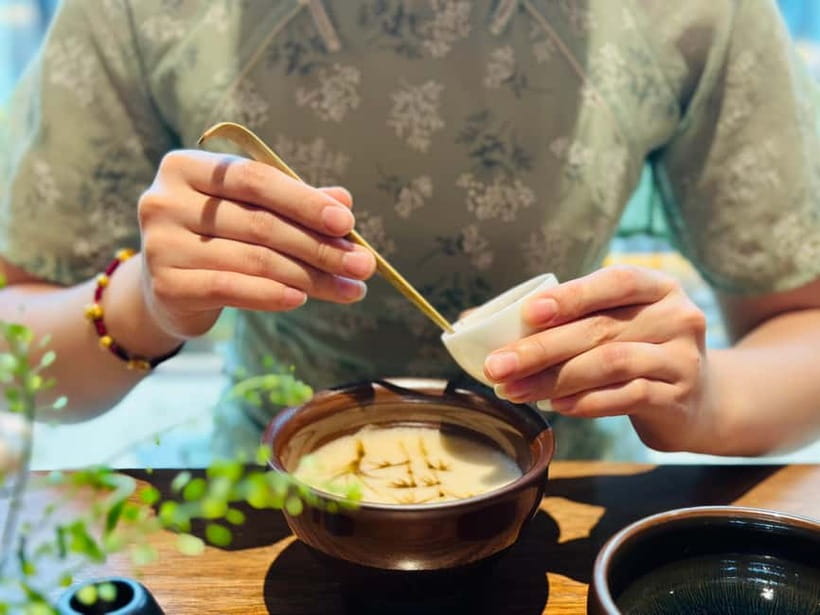
This experience asks you to show up ready to notice small differences.
Bring:
- comfortable shoes (you may be moving around a bit)
- a camera (there’s a photo-friendly bonus option)
- comfortable clothes
- snacks (the guidance specifically suggests bringing them, even though snacks are included)
One small tip that matters: avoid strong perfume. Tea aromas are delicate, and strong fragrance can blur what you’re trying to smell.
Also, if you have allergies or dietary restrictions, tell the organizer before you go. The tour guidance specifically asks you to inform them, and the experience is not suitable for people with food allergies—so don’t treat that as fine print.
Lastly, basic rules apply: no smoking and no alcoholic drinks in the vehicle.
Who Should Book This Tea Ceremony (And Who Should Skip It)
This fits best if you want more than a quick taste. You’ll enjoy it if you like:
- learning by senses (smell, taste, texture)
- small-group instruction
- quiet cultural activities with hands-on steps
- tasting sessions that teach comparison, not just variety
It’s also a good choice if you’re visiting Shanghai and want something grounded and specific, not just another photo stop.
Skip it if:
- you use a wheelchair (not suitable)
- you have food allergies (not suitable)
- you can’t or won’t avoid strong perfume smells that interfere with tea aroma detection
If you’re new to tea, you’re still a good match. The ceremony is designed for both first-timers and tea people who already have opinions.
Should You Book This Shanghai Chinese Tea Ceremony?
Yes, if you want a calm, structured experience that teaches you how to taste. The best part is the combo: blind tasting plus hands-on Song Dynasty whisking and brewing with a small-group cap. That mix is what turns tea from a drink into a skill.
I’d hold off only if accessibility is an issue for you or you have food allergies. Otherwise, this is the kind of class that gives you something you can use later—like how to pick teas you actually enjoy, because you’ll understand what you like and why.
FAQ
How long is the Shanghai Chinese Tea Ceremony Experience?
It lasts 3 hours.
What’s included in the price?
You get a tea expert guide, an assortment of Chinese teas, and snacks.
How many people are in the group?
The group is limited to 8 participants.
What languages will the instructor use?
The instructor speaks English and Chinese.
Do I need to know anything about tea before I go?
No. The experience is designed for both people new to tea and those who already have interest in tea.
Is transportation included?
No. Transportation to and from the activity is not included.
Is it suitable for wheelchair users or people with food allergies?
No. It is not suitable for wheelchair users, and it is not suitable for people with food allergies.
Can I cancel or pay later?
You can cancel up to 24 hours in advance for a full refund, and you can reserve and pay later.
More Tour Reviews in Shanghai
Tea, Brush & Craft Sessions


Just In: The Newest Shanghai Reviews








Tea, Calligraphy & Chinese Crafts, compared.
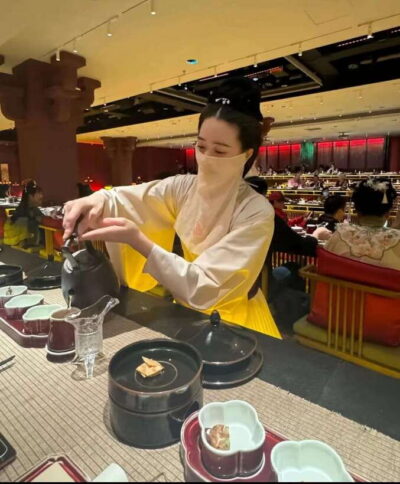 ★ 4.7Royal Banquet with Chinese Cultural PerformanceFrom $117124 reviews
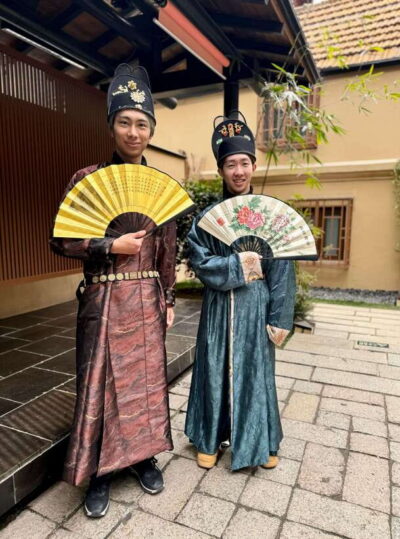 ★ 5.0Shanghai Guided Royal Banquet Photo (Incl) with Massage OptFrom $2047 reviews
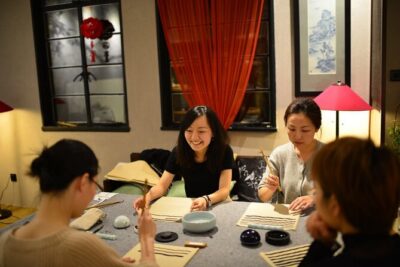 ★ 5.02-Hour Chinese Calligraphy with an Artist in Shanghai, ChinaFrom $5046 reviews
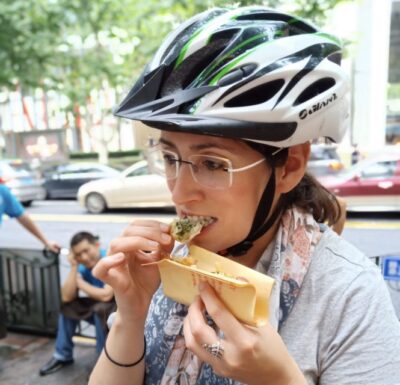 ★ 4.5Biking Real Shanghai& Tea Tasting ExperienceFrom $8845 reviews
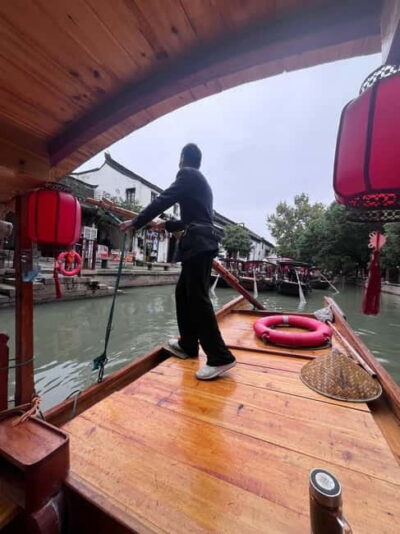 ★ 5.0Zhujiajiao Water Town with Calligraphy ExperienceFrom $12517 reviews
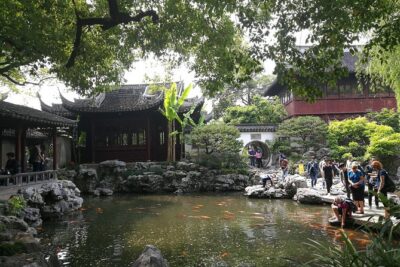 ★ 5.03-Hour Shanghai Yu Garden &Old Town Private Tour with Tea TastingFrom $8017 reviews
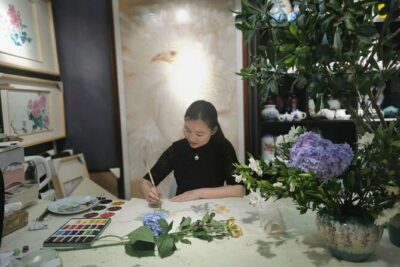 ★ 5.02-Hour Private Chinese Ink and Brush Painting Workshop in ShanghaiFrom $11815 reviews
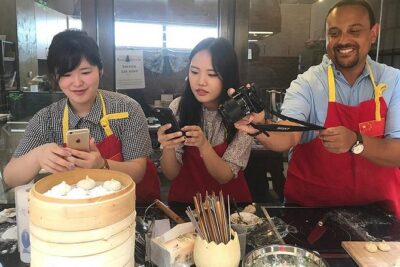 ★ 5.02.5hrs Chinese Kitchen Cooking Class: Xiaolongbao Soup DumplingsFrom $9812 reviews
Browse the lists this tour appears in