
Reviewed · GUIDED
Shanghai: Natural Museum tickets with guide(optional)
Shanghai’s nature side has a serious museum moment. This ticket lets you tour the Shanghai Natural History Museum (a branch of the Shanghai Science and Technology Museum) with English support and time to wander through 10 themed exhibition areas. It’s built for learning without feeling like homework.
I especially like the setup for self-paced exploring. You can choose what to linger on across the museum’s big science-and-nature zones, plus 5 immersive theaters for the story-driven parts. That mix works well if you’re traveling with different interests.
One thing to keep in mind: you’re not just visiting one small room. A lot is happening, and it can feel like a lot if you move fast, especially with no food or drinks allowed inside.
In This Review
- Key highlights you’ll feel on the day
- Shanghai Natural History Museum Tickets: What makes the experience work
- Your money’s best spent on freedom
- Price and logistics: $13 worth the stress test?
- One practical tip for fewer headaches
- Getting oriented fast: Jing’an Sculpture Park and the museum building
- How I’d structure your day inside
- The main event: 10 themed exhibition areas you can pace yourself through
- 1) Mystery of Origins
- 2) The Long River of Life
- 3) Path of Evolution
- 4) Earth Treasures
- 5) Diverse Life
- 6) Ecological Wonders
- 7) Survival Wisdom
- 8) Human and Nature Bond
- 9) Shanghai Stories
- 10) The Path to the Future
- How to use these areas without burning out
- Five immersive theaters: when you want your brain to rest
- A smart theater strategy
- The live breeding area: nature you can watch, not just read
- What to expect from a live area
- Where educational programs fit: Nature Exploration Camp and Drawing Nature
- Optional English guide: when it helps (and when it doesn’t)
- Practical rules that save your time (and your patience)
- Best fit: who should book this Shanghai museum ticket?
- Should you book this Shanghai Natural History Museum experience?
Key highlights you’ll feel on the day
- 10 themed exhibition areas ranging from origins and evolution to Shanghai-specific nature stories
- Five immersive theaters that shift you from reading labels to more visual learning
- A 300-square-meter live breeding area for hands-on nature viewing
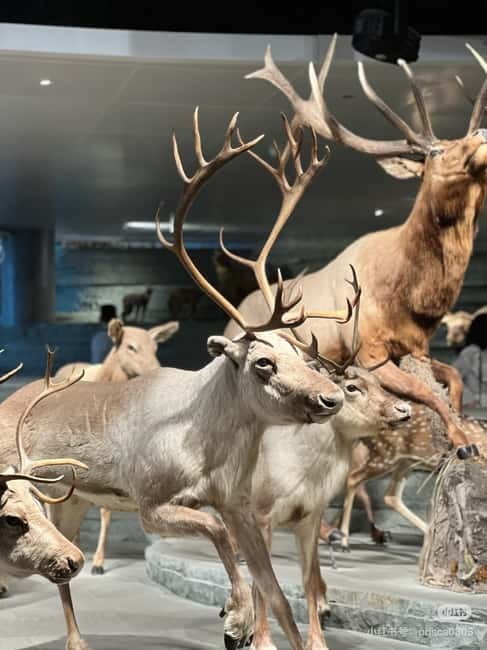
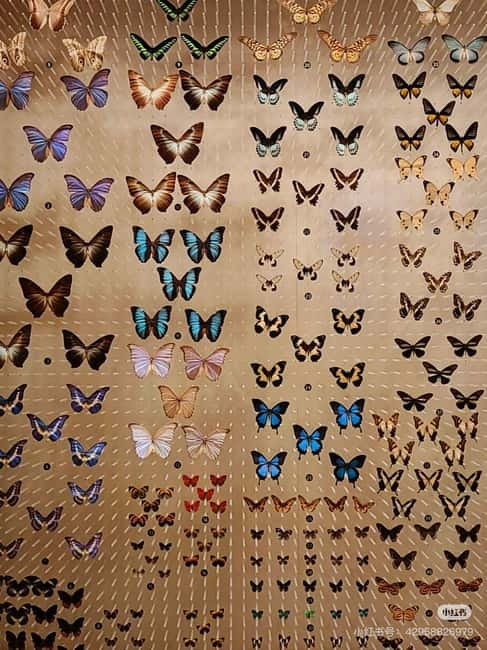
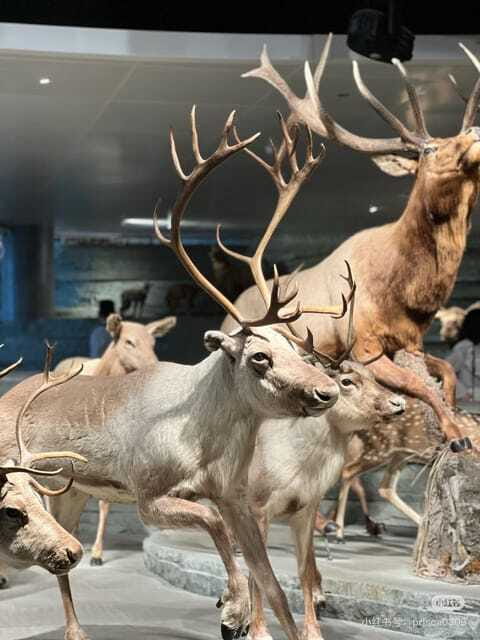
- Over 11,000 specimens and models covering the seven continents
- Educational activities like Nature Exploration Camp and Drawing Nature
- Small group size (up to 5) with an optional English guide
Shanghai Natural History Museum Tickets: What makes the experience work
The Shanghai Natural History Museum is the kind of place where you can build your own day. Not in a chaotic way. More like a “choose your path” way. You’ve got major exhibition zones, multiple theaters for learning modes, and a live breeding area that breaks up the static displays.
The museum’s theme is Nature · Humanity · Harmony. That’s not just a slogan on a banner. The exhibition titles themselves follow a clear arc: how life began, how it evolved, how ecosystems work, and how humans fit into the bigger picture. You’ll feel that thread while moving through the spaces.
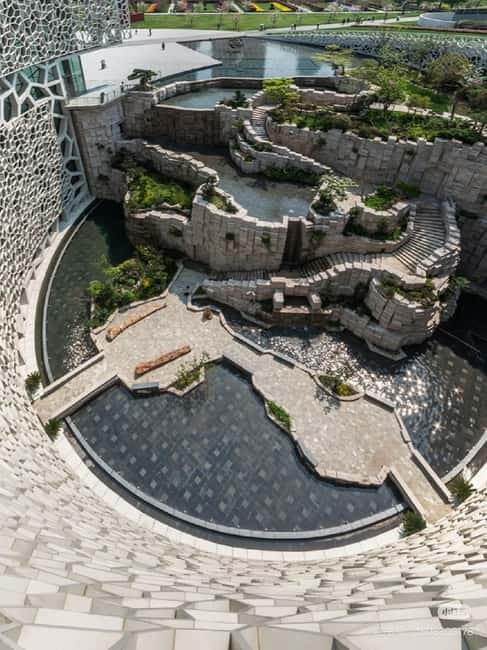
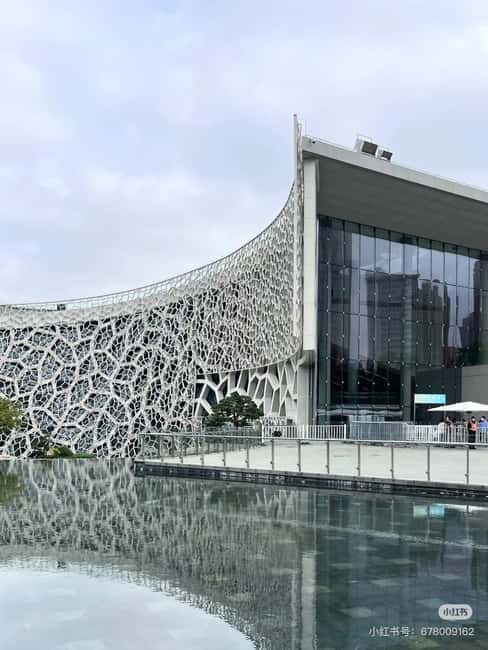
Also, this isn’t a tiny add-on museum. The building covers 45,257 square meters, with 32,200 square meters for exhibition and education. That scale matters because it gives you room to slow down when something catches your eye—without feeling like you’re racing through a checklist.
Skip the queue with a ticket sorted first

Your money’s best spent on freedom
For around $13 per person, you’re paying for the admission ticket plus an information service fee. The value comes from what’s included in the physical visit itself: 10 exhibition areas, 5 theaters, and large-scale collections (more on that soon). If you’ve ever felt shortchanged by museums where most things are behind fences or closed off, this one is built to be walked and explored.
Price and logistics: $13 worth the stress test?
Let’s be practical. You’re buying a ticket that’s valid for one day, with starting times based on availability. There’s also an English live tour guide option mentioned in the activity details, and the group is limited to 5 participants, which usually means less crowd pressure.
What’s included is simple:
- Admission ticket to the Shanghai Natural History Museum
- Information service fee
What’s not included:
- Food
That last line matters more than it sounds. The museum has a clear rule: no food or drinks allowed. So for value, you want to plan a meal before you go (or after). If you rely on museum cafés as a fallback, this ticket won’t be that kind of day.
One practical tip for fewer headaches
After you book, you’ll need to email the provider your expected visit date, your full name (matching your passport exactly, including capitalization), and your passport number. If you don’t want extra email back-and-forth later, get your details ready right away.
Getting oriented fast: Jing’an Sculpture Park and the museum building
The museum address is 510 West Beijing Road, Jing’an District, Shanghai. It sits inside Jing’an Sculpture Park, which is helpful because it gives you a clear landmark instead of a vague “nearby” situation.
The museum’s big strength is also its challenge. With a lot of space and multiple zones, you’ll waste time if you don’t set a loose plan. I suggest you treat this as a one-day museum with breaks built in, not a quick walk-through.
More guided Shanghai tours




How I’d structure your day inside
You can go straight into the exhibitions, but I’d aim for a flow like this:
- Start with the spaces that help you understand the museum’s theme
- Move through the 10 exhibition areas you care about most
- Add the immersive theaters when you want a change of pace
- Finish with the live breeding area so you end on something active and living
You’re still free to reorder. This is just a way to prevent decision fatigue when you’re standing in front of 10 doors and 3 kinds of signage.
The main event: 10 themed exhibition areas you can pace yourself through
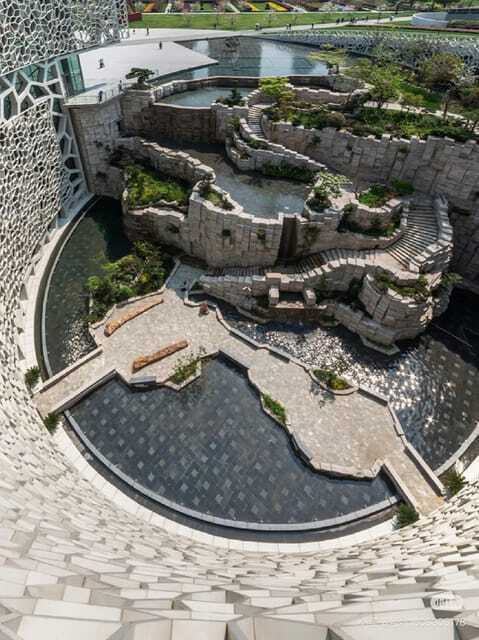
This is where the museum earns its reputation as a proper learning outing. There are 10 themed exhibition areas, each with a title that tells you what direction the displays lean.
Here’s what you can look for, in human terms:
1) Mystery of Origins
If you like the big story of how life begins, this is your first stop. The focus is on beginnings—how you go from Earth to life, conceptually speaking. Even if you don’t read every label, the structure helps you connect the early chapter to later sections.
2) The Long River of Life
This area is designed to show life over time—history in motion. Expect it to help you see patterns and continuity rather than isolated facts.
3) Path of Evolution
You’ll likely spend more time here if you’re curious about how species change and adapt. The title is direct, and the area works as a bridge between origins and today’s diversity.
4) Earth Treasures
This zone connects nature study with Earth systems and resources. It’s a good counterbalance if you’ve been thinking mostly about animals and plants.
5) Diverse Life
This is one of the most rewarding sections for people who like variety. The museum’s overall collection is described as spanning seven continents, and this area fits that theme of difference—shapes, adaptations, and forms.
6) Ecological Wonders
Now you shift from individual life to relationships. Ecosystems are where nature looks like a web instead of a list. If you want the museum to feel relevant to real-world environments, this section usually does the job.
7) Survival Wisdom
This title signals adaptation and resilience. It’s a solid place to slow down, because nature’s strategies can be easier to grasp when you see how they connect across multiple displays.
8) Human and Nature Bond
This is the “okay, so how do we fit in” section. It’s where the museum’s theme of harmony between nature and humanity becomes practical and not just poetic.
9) Shanghai Stories
A local angle can make the whole museum feel less abstract. This area is specifically about Shanghai, so you can connect global science themes to a city you’re actually living in.
10) The Path to the Future
This is the forward-looking wrap-up. Even if you’re not the type who reads the last wall carefully, you’ll probably appreciate the direction it points: science, technology, and what comes next.
How to use these areas without burning out
There are a lot of zones. So here’s a simple rule: pick 3–5 areas to be your main focus, then treat the rest as discovery. That keeps the day enjoyable instead of exhausting.
Five immersive theaters: when you want your brain to rest
Between exhibition areas, you’ll want resets. That’s where the museum’s 5 immersive theaters come in. These spaces are built for a more cinematic style of learning, which can help you understand complex ideas without reading every caption.
I like adding theaters mid-day, when your legs are okay but your attention is drifting. One or two theater sessions can help you return to the exhibit halls with fresher context.
A smart theater strategy
- If a theater looks tied to a theme you just saw in an exhibition area, prioritize it
- If you feel overwhelmed, choose the shortest theater first and keep moving
You don’t need to do them all in a rush. You’re already inside a museum designed to support a slow pace.
The live breeding area: nature you can watch, not just read
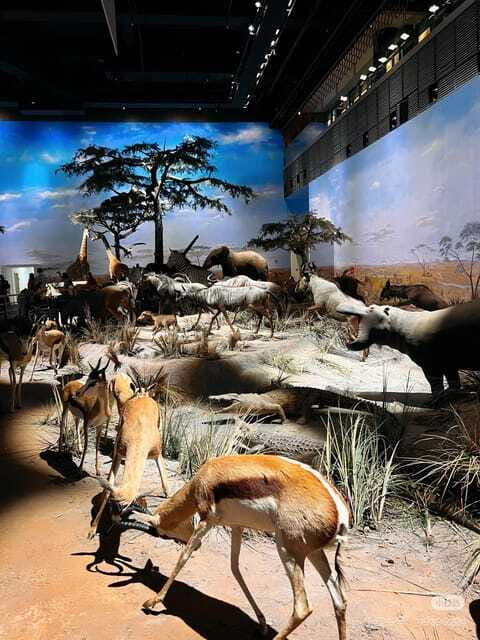
A standout feature is the 300-square-meter live breeding area. “Live” here matters. It turns some of the museum’s content from ideas into living systems you can observe.
This is also a good stop if you’re traveling with kids, because it gives energy back to the visit. Even for adults, watching a living environment can make the earlier science explanations feel more grounded.
What to expect from a live area
You can think of it as a dedicated zone where living specimens are involved. As with any active area, follow staff instructions and keep your expectations realistic: it’s about observation, not getting close enough to touch or disrupt.
Where educational programs fit: Nature Exploration Camp and Drawing Nature
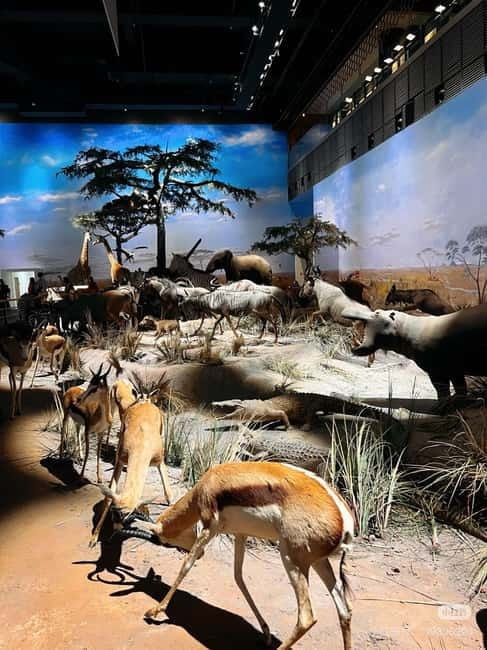
The museum doesn’t only rely on exhibits. It also offers educational activities such as:
- Nature Exploration Camp
- Drawing Nature
If you’re visiting with children, these can turn a typical museum day into an experience with a clearer purpose. If you’re going solo or as a couple, drawing-style activities can be unexpectedly fun because they slow you down and force you to notice details you’d otherwise skip.
Because the exact timing of these activities isn’t listed here, you’ll want to check on the day once you arrive. If something is running, it’s worth joining if it matches your interests and your time.
Optional English guide: when it helps (and when it doesn’t)
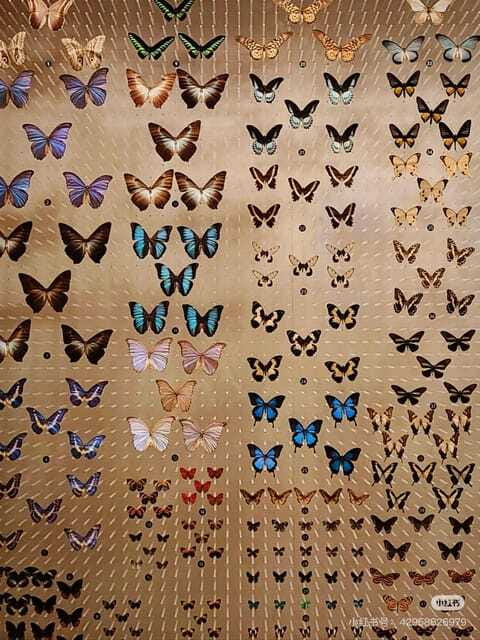
This ticket includes the possibility of a live English guide, and it’s a small group capped at 5 participants. That’s a good structure for questions and for getting quick orientation.
When a guide is useful:
- You want help connecting the exhibition titles to what to focus on
- You don’t want to spend time figuring out the best order
- You prefer explanations over reading labels only
When you might skip the guide:
- You enjoy wandering and choosing your own path
- You want the freedom to stay longer in one area without time pressure
Even with a guide option, the museum still works as a self-guided experience. The design supports both styles.
Practical rules that save your time (and your patience)
Here’s what you should know so you don’t lose time on entry:
- Bring your passport or ID card
- No smoking
- No food or drinks inside
If you’re the kind of visitor who likes snacks during museum days, plan around that. Eat before you arrive, then refill your energy later outside the museum.
Also, after booking, remember the real-name detail: your full name must match exactly what’s on your passport, including capitalization. That’s the kind of detail that can cause avoidable delays if you rush.
Best fit: who should book this Shanghai museum ticket?
This works best if you want a day of structured discovery without feeling stuck in a guided script.
You’ll likely love it if:
- You want a science-and-nature museum with multiple sections (not a single hall)
- You like the idea of specimens and models from across the seven continents
- You enjoy educational activities and hands-on observation, especially with kids
- You value the option of English help but still want flexibility
It might not be ideal if:
- You’re short on time and hate walking a lot (this museum is big)
- You strongly prefer food breaks inside museums (food and drinks aren’t allowed)
Should you book this Shanghai Natural History Museum experience?
If you’re aiming for one high-value museum day, I’d book it. For the price, you’re getting access to a large collection experience with 10 exhibition areas, 5 immersive theaters, and a dedicated live breeding area. That combination is hard to beat for a one-day plan.
The decision comes down to your style. If you like wandering and you’re comfortable reading and learning at your own speed, this ticket fits perfectly. If you want help navigating the themes and prioritizing what matters, choosing the English guide option can make the day smoother.
Go with this plan if you want a serious natural history visit in Shanghai without turning it into a complicated itinerary.
More Guided Shanghai Tours
Tickets & Entries, Sorted


More Tour Reviews in Shanghai





Just In: The Newest Shanghai Reviews








Guided, compared.
 ★ 4.9Private and Personalized Guided TourFrom $150268 reviews
 ★ 5.0Full-Day Private Guided Tour of ShanghaiFrom $99211 reviews
 ★ 4.9Shanghai One Day City Private Tour by German-Speaking GuideFrom $158180 reviews
 ★ 5.0Private Guided Tour to Hangzhou by Bullet TrainFrom $314108 reviews
 ★ 5.0Shanghai Guided Royal Banquet Photo (Incl) with Massage OptFrom $2047 reviews
 ★ 5.0Suzhou Private Guided Day Trip from Shanghai by Bullet TrainFrom $21846 reviews
 ★ 4.4Oriental Pearl Tower Entry Ticket with PDF GuideFrom $8128 reviews
 ★ 5.0Suzhou and Zhujiajiao Private Guided Day Trip from ShanghaiFrom $24327 reviews