
Reviewed · XIAOLONGBAO & DUMPLING CLASSES
2.5hrs Chinese Kitchen Cooking Class: Xiaolongbao Soup Dumplings
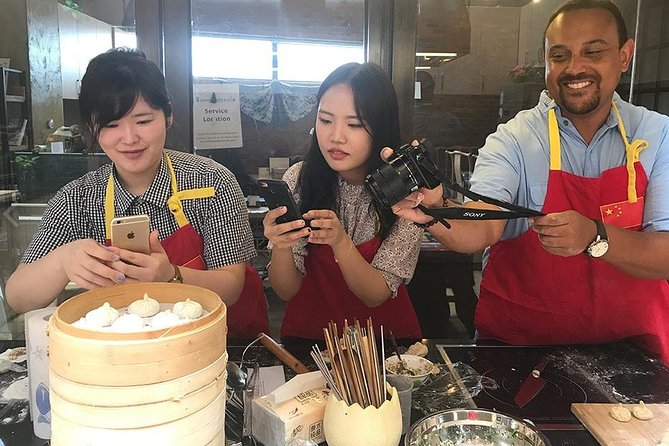
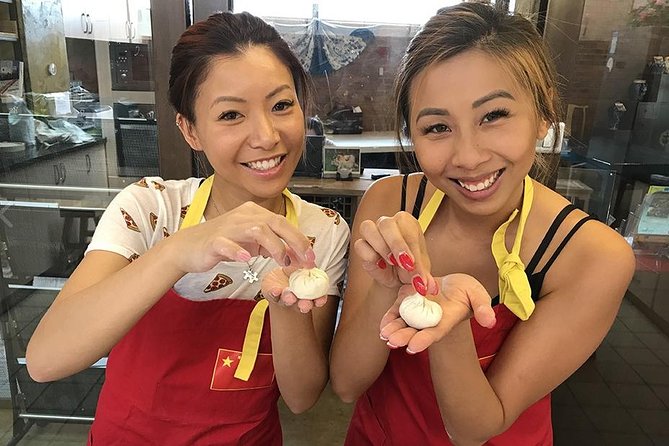
Soup dumplings taste like magic. In a small studio in Shanghai’s Xuhui area, you learn the craft of xiao long bao from scratch, including how to wrap the dough around broth and then cook them two ways. It’s hands-on, paced for real beginners, and tied to Shanghai food culture rather than just a quick demo.
I love the hands-on pace and patient teaching from instructors such as Chef Yin or CiCi, who work with your skill level. I also like that you eat what you make with complimentary tea, then leave with a recipe to keep practicing at home. One heads-up: the kitchen can feel tucked away in an old lane, and the entrance may look a little rough until you’re guided in.
In This Review
- Key Things I’d Focus On
- Shanghai’s Soup Dumplings: Why This Class Feels Worth It
- The 10:00–12:30 Flow in Plain English
- Finding the Studio Near Guangyuan Road (Without Stress)
- What You Actually Learn: Dough, Filling, and the Broth Trick
- Cooking Two Ways: Steamed and Pan-Fried Dumplings
- Tea, Sauce, and the Eating Part That Makes It Click
- Price and Value: What $98.88 Is Buying You
- Vegan and Vegetarian Options: What to Request
- Who Should Book This Class
- Should You Book the Xiaolongbao Class?
- FAQ
- What time does the class start and how long is it?
- Where is the meeting point?
- Is the class suitable for children?
- Are vegan or vegetarian meals available?
- What cooking methods are included?
- Is there hotel pickup or drop-off?
Key Things I’d Focus On
- Small group size (max 15) means you get more time shaping dumplings.
- Ages 3–100 welcome, and kids under 3 join for free.
- You cook xiaolongbao twice: steamed and pan-fried.
- Broth-in-the-bun technique is the real skill behind that burst of soup.
- Vegan and vegetarian options are available if you request in advance.
- Tea plus a take-home recipe, so the class doesn’t end when dinner ends.
Shanghai’s Soup Dumplings: Why This Class Feels Worth It
Shanghai’s signature dumpling, xiao long bao, is famous for one reason: the broth is inside the dumpling. That’s what makes it different from regular dumplings or baozi. If the wrapper is too thick, you lose the delicate bite. If the dumpling is sealed poorly, you lose the soup.
That’s why this kind of class is more than cooking entertainment. You’re not just learning a recipe. You’re learning a technique that affects texture, flavor, and the moment when the dumpling breaks open.
Also, the class structure keeps you involved. You make dough and filling, learn the wrapping method, cook the dumplings two ways, and then eat them together. You end up with that rare mix: practical skills plus a meal that feels connected to what you just learned.
Pleat your own xiaolongbao at another class
The 10:00–12:30 Flow in Plain English
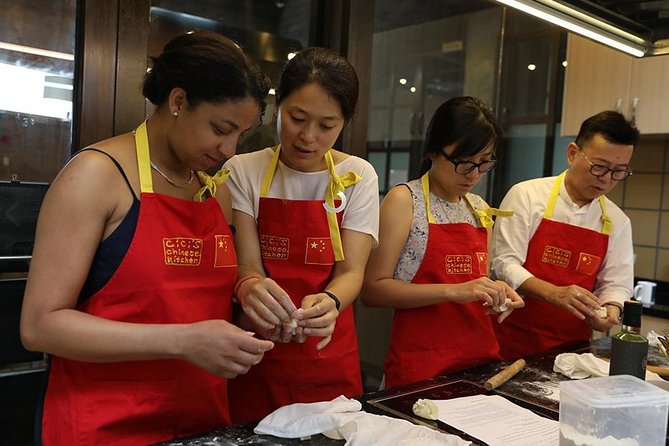
The day runs in a tight, clear rhythm, which matters when you’re cooking with timing-sensitive dough and filling.
- 10:00 am: Meet at the studio near Guangyuan Road in Shanghai’s Xuhui District (the meeting info references Guangyuan Road, and the general description points to Changshu Road). Check your confirmation and plan to arrive a few minutes early.
- 10:20 am: Intro to cooking culture and local ingredients. This is where the teacher sets expectations so the rest feels less random.
- 11:00 am: Main cooking session. This is the work: dough, filling, wrapping, and getting the seal right.
- 12:00 pm: Eat the meal together. This is when your hands become your dinner plate.
- 12:30 pm: Class ends with a recipe to take home.
The big value in this schedule is pacing. You aren’t stuck watching for long stretches. You also aren’t rushed so hard that beginners get left behind.
Finding the Studio Near Guangyuan Road (Without Stress)
Logistics in Shanghai can be a puzzle, and this class happens in a real neighborhood setting. The address you’ll want is Guang Yuan Lu, Xu Hui Qu, Shang Hai Shi. It’s also described as being accessible from Changshu Road, so the practical takeaway is simple: confirm the exact meeting spot after booking and use your phone map rather than trying to guess.
One review mentioned an entrance that looked like an old, abandoned lane kitchen until the instructor guided the group through. I wouldn’t call it a deal-breaker. But if you hate last-minute walking around confusing alleys, show up early and stay close to your group. Once you’re inside, the studio is described as clean, small, and functional.
Also note what you do not get: no hotel pickup or drop-off. You’ll head there yourself, and it’s near public transportation, which helps a lot.
What You Actually Learn: Dough, Filling, and the Broth Trick
This is the core of xiaolongbao, and the class makes it learnable.
You start with the dough. The teacher walks you through how to handle it and shape it into wrappers. Then you move to the filling, which gets seasoned with fragrant Chinese spices. The goal isn’t just flavor. It’s balance and consistency so the dumpling cooks well and tastes right.
Then comes the tricky idea that defines xiaolongbao: wrapping soup inside the dumpling. That means you’re building a structure that traps hot broth without turning the wrapper into mush. The best classes explain not only what to do, but why the method matters.
If you’re new, you’ll appreciate the teaching style. In multiple experiences, instructors were described as helpful, welcoming, and skilled at working at each person’s level. That matters because the wrapping technique is where most people struggle. If the class goes well, you don’t leave feeling like you failed a test. You leave feeling like you found the method.
Cooking Two Ways: Steamed and Pan-Fried Dumplings
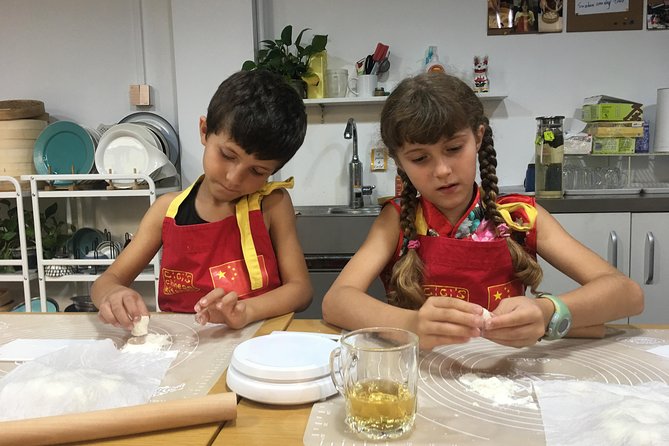
One of the nicest surprises here is that you don’t just steam everything. You cook xiaolongbao two ways.
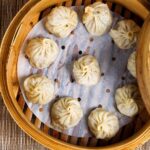
- Steamed xiaolongbao give you that classic tender wrapper and soup-forward bite.
- Pan-fried xiaolongbao add a different texture, with more browning on the outside.
This matters because it teaches you how heat changes the wrapper and the eating experience. It also gives your group more variety at the table, so everyone gets more than one note of dumpling flavor.
And when you’re done cooking, you eat your hand-made dumplings together. That shared meal is part of why classes like this are worth it: you can compare your best dumplings to the ones you made when you finally got the wrap right.
Sit down to more tea, brush and craft sessions

Tea, Sauce, and the Eating Part That Makes It Click
The class includes complimentary tea, which is a small detail with big practical value. Warm tea helps settle your stomach after you’ve been working with dough and spices all morning, and it also makes the meal feel less like a factory line and more like a real local-style break.
You’ll also learn a Chinese sauce to go with your xiaolongbao. Sauce might sound like an add-on, but it’s actually part of the flavor architecture. Dumplings can taste flat if the condiment isn’t balanced, especially when the wrapper is delicate and the filling is nuanced.
When the dumplings finally hit the table, the experience clicks: you understand what you did earlier with your hands. That’s the moment that turns a cooking class into a memory.
Price and Value: What $98.88 Is Buying You
At $98.88 per person for about 2 hours 30 minutes, the price can look steep at first glance. But here’s what you’re really paying for:
- Small group size (max 15). You’re not sharing one cutting board with a dozen people.
- An English-speaking chef/instructor. The class is designed to be understandable, especially for people without Mandarin.
- Hands-on instruction: dough, filling, wrapping, and cooking.
- Food you eat as part of the class, plus tea.
- A take-home recipe, which gives the class shelf life after you get home.
Also, it’s described as having group discounts and using a mobile ticket, which can make planning easier if you’re traveling with others.
The main value question for me is simple: can you justify paying for a guided skill you can’t easily learn from a YouTube video? If your answer is yes, this class fits. If you just want dinner, you might prefer a restaurant meal. But if you want the method behind xiaolongbao, this is one of the more practical ways to buy that knowledge.
Vegan and Vegetarian Options: What to Request
This experience is described as vegetarian-friendly, with vegan and vegetarian options available on request. That’s important, because filling and seasoning often define the outcome.
Here’s what you should do: write down your food preference during booking. The class includes vegan/vegetarian options, but the key is planning ahead so the teacher can adjust ingredients for your group.
Who Should Book This Class
This class is built for a wide age range: ages 3 to 100, with children under 3 joining for free. That suggests the instructors expect mixed abilities and can guide families, not just food bloggers and adults.
I think it’s a great fit if you:
- Want a Shanghai food experience that goes beyond eating
- Enjoy hands-on cooking more than watching demos
- Travel with kids who can handle some kitchen time
- Prefer a small group so you can ask questions
- Want a lasting skill, not just a meal
It’s less ideal if:
- You dislike getting flour on your hands and clothes
- You need very clear, front-door signage. The studio entrance can be a little hard to spot until you’re directed in
Should You Book the Xiaolongbao Class?
If you want a real skill and a real meal in the same morning, I’d book it. The combination of small group instruction, hands-on wrapping, and two cooking methods makes it feel like more than a one-time gimmick. Add the fact that you leave with a recipe and that the chef can teach at your level, and the experience feels like good value for $98.88.
One practical warning: plan for the studio location to feel tucked away, and arrive a few minutes early. Also, you should know the booking is non-refundable and cannot be changed. So only lock it in if you’re comfortable with that inflexible setup.
If your plan is flexible and you’re excited to learn how broth works inside a dumpling, this is the kind of Shanghai class you’ll still think about when you’re back home trying to recreate that first-bite soup moment.
FAQ
What time does the class start and how long is it?
The class starts at 10:00 am and runs for about 2 hours 30 minutes. It ends back at the meeting point.
Where is the meeting point?
The start point is listed near Guangyuan Road (Guang Yuan Lu), Xu Hui Qu, Shanghai. The description also references Changshu Road, so confirm the exact spot in your booking details.
Is the class suitable for children?
Yes. It’s described for ages 3 to 100, and children under 3 are free to join.
Are vegan or vegetarian meals available?
Yes. Vegan and vegetarian options are available on request, and you should write down your food preference at the time of booking.
What cooking methods are included?
You cook xiaolongbao two ways. Steamed and pan-fried methods are both described.
Is there hotel pickup or drop-off?
No. The class does not include hotel pickup and drop-off, but it is described as near public transportation and ends back at the meeting point.
More Tour Reviews in Shanghai




Tea, Brush & Craft Sessions
Aprons On for Xiaolongbao

Just In: The Newest Shanghai Reviews








Xiaolongbao & Dumpling Classes, compared.
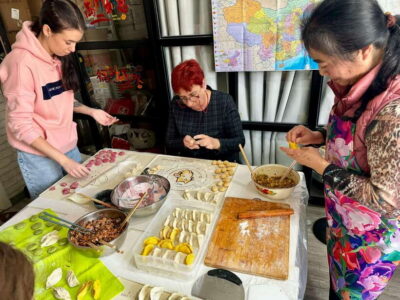 ★ 4.9Cooking Dumpling & Meal in Local Family-w/VeganFrom $8236 reviews
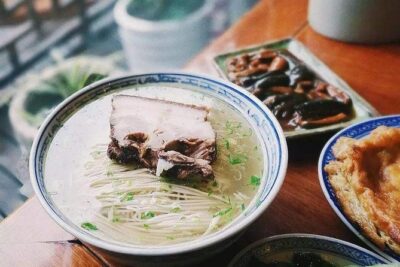 ★ 5.0Secret Noodle and Wonton in Shanghai Alleyways with Local BeerFrom $7919 reviews
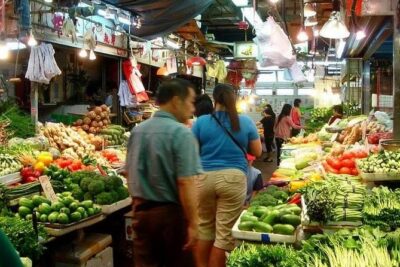 ★ 5.0Private Home Cooking Class with Shanghai MamaFrom $19914 reviews
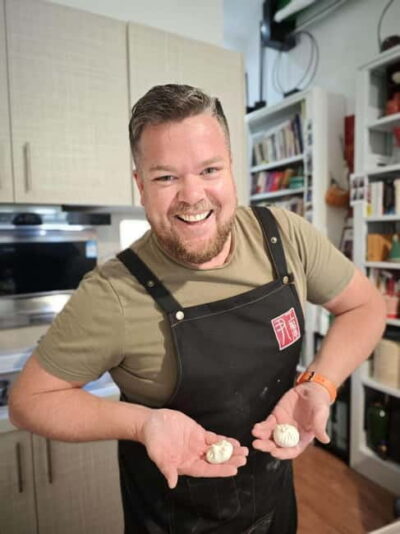 ★ 4.9Make Soup Dumpling: Vegan or Pork in Shanghai ShikumenFrom $1206 reviews
 ★ 4.8Dragon Beard Candy Making with a ChefFrom $386 reviews
 ★ 4.52.5hrs Chinese Kitchen Cooking Class: Art Steamed DumplingsFrom $1095 reviews
 ★ 4.5Online Cooking Class Fried Rice by Sunflower LiFrom $205 reviews
 ★ 5.0Zhujiajiao and Yu Garden Tour with Wonton Making in ShanghaiFrom $2294 reviews
Browse the lists this tour appears in