
Reviewed · TEA, CALLIGRAPHY & CHINESE CRAFTS
Shanghai: Royal Banquet with Chinese Cultural Performance
If you like food plus theater, this hits the sweet spot. You’ll sit down for a royal Chinese banquet inside a hall that feels like an ancient palace, then watch traditional music and dance scenes tied to Chinese culture and costume.
I like how the experience gives you two anchors: first the multi-course meal (including Hongpao tea and a long list of signature dishes), and then the nonstop show with performers working the room regularly. I also like that there’s a built-in extra—dress up in traditional-style clothing—with makeup available for an add-on.
One thing to consider: the performance is all in Chinese, and there aren’t English subtitles in the program itself. You’ll still get plenty from movement, music, and some English cues on the walls, but if you need heavy English storytelling, plan for that.
In This Review
- Key takeaways before you go
- Entering the palace hall: what the experience really feels like
- Timing that keeps things moving (lunch vs dinner)
- The meal: a multi-course banquet you can actually follow
- The show: traditional performance with limited English help
- Dressing up in Chinese traditional clothing (and what costs extra)
- The staff and the small perks that matter
- What kind of traveler should choose this?
- Kids and height rules you should take seriously
- Price and value: what $117 is actually buying
- How to get there without stress
- Should you book the Shanghai Royal Banquet?
- FAQ
- How long is the Royal Banquet experience?
- What time do I need to check in for lunch?
- What time do I need to check in for dinner?
- Is the show offered in English?
- What’s included in the meal?
- Does the ticket include dress-up and makeup?
- Are kids allowed?
- Is there a way to avoid long lines?
- Can the staff accommodate dietary needs?
- How can I find the meeting place using rideshare?
Key takeaways before you go
- Royal Banquet setting that looks and feels like a palace hall
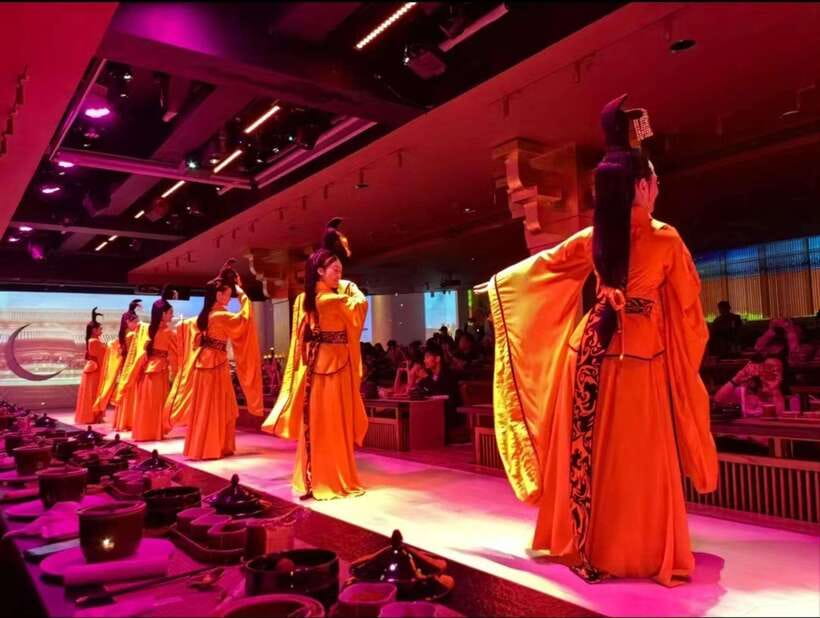
- Traditional music and dance performed live throughout the meal
- Dress-up option with makeup for an extra 200 RMB
- Long, multi-course menu with standout items like red-cooked pork with abalone and fish maw/abalone soup
- Language reality check: Chinese performance with limited English support
- Skip-the-line entry via a separate entrance
Entering the palace hall: what the experience really feels like
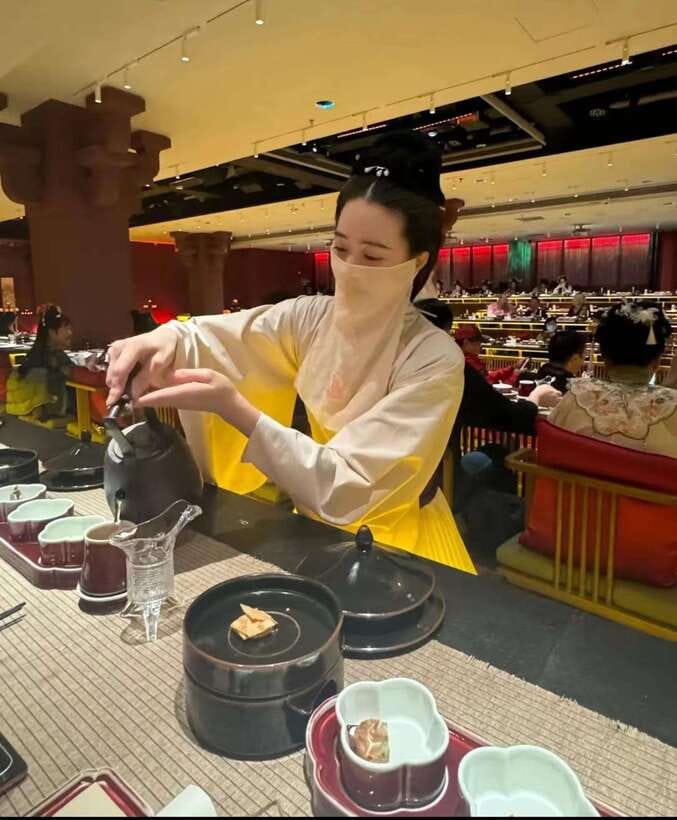
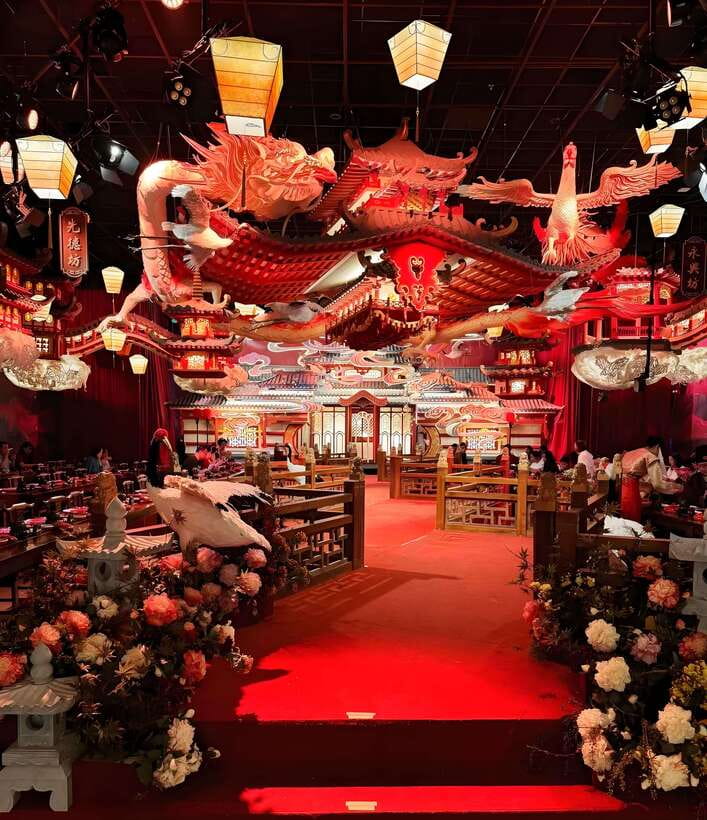
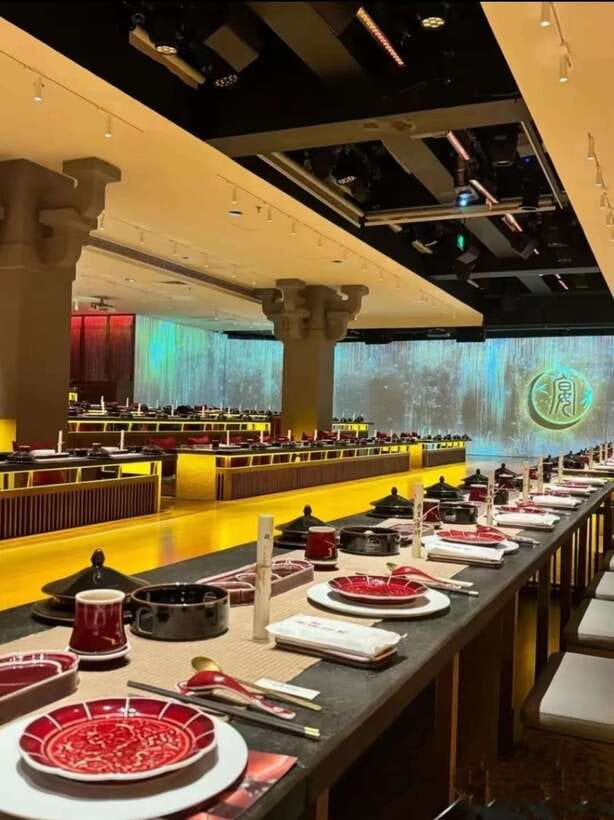
The first wow moment is visual. You walk into a decorated hall designed to look like an ancient palace, with an atmosphere that’s meant to feel ceremonial rather than casual. It’s the kind of setting where you instantly understand the theme: this is theater wearing a dinner jacket.
From a practical point of view, that design matters. It makes time feel different. Instead of rushing through a show and then eating wherever you can, you’re doing both as one continuous event. The staff also guide you through seating and the flow of courses, so you’re not stuck figuring out which plate goes with which moment.
And yes, part of the fun is the look. Many people go all-in on dressing up. If you’re the type who likes photos with context (not just selfies), this is one of those experiences where the room and costumes do a lot of the work for you.
Sit down to more tea, brush and craft sessions
Timing that keeps things moving (lunch vs dinner)
You have two session types, each built around a check-in then a performance start.
For lunch: check in at 11:30 and the show is listed at 12:00 (with some sessions noting a start around 12:08).
For dinner: check-in is listed at 18:00 (and also 18:30 in the key info), with show start times listed as 18:28 and also 19:00 depending on the option.
What you should do with this: arrive close to your stated check-in time, not earlier. This kind of event uses that window for routing, seating, and any dress-up prep (if you’re paying for the costume and makeup).
The duration is 2 to 2.5 hours, which is a nice length for Shanghai. It’s long enough to feel like an event, but not so long that you lose the rest of your evening to heavy scheduling.
The meal: a multi-course banquet you can actually follow
The Royal Banquet is marketed as a royal-style Chinese feast, and the menu matches that idea: you get a sequence of courses meant to be experienced, not just eaten.
You also don’t just start with main dishes. The experience begins with small tastings and drinks, then builds into heavier savory items, and finishes with desserts and fruit.
Here’s what’s included in the meal:
- Dahongpao tea
- Waxberry sweets
- Black sesame roll
- Macaroons
- Osmanthus green plum wine
- Hawthorn foie gras
- Pig ears, douban, nuts
- Moringa oleifera seedlings
- Jinhua ham and tofu
- Red-cooked pork with abalone
- Lychee shrimp balls
- Steamed wild yellow croaker in East China Sea
- Fish maw and abalone soup
- Fried noodles with scallions
- Fruit yogurt
A few things to know so you’re not surprised:
- Expect flavors that lean traditional and sometimes unusual to Western palates (items like pig ears, fish maw, and hawthorn foie gras aren’t everyday choices in most countries).
- The menu is long, but it’s presented across multiple courses. Even so, you’ll likely feel full by the end, just not in a rushed way.
- If you have dietary needs, there’s a real chance they can accommodate some requests—one review notes they handled a vegetarian meal and kept it alcohol-free for a Muslim guest. Still, I’d treat this as a request you confirm in advance, not a guarantee you can assume.
For value, this menu is the big part of why the price works. You’re paying for a complete meal plus show plus the setting. If you only wanted a standard restaurant dinner, you’d miss the point.
The show: traditional performance with limited English help
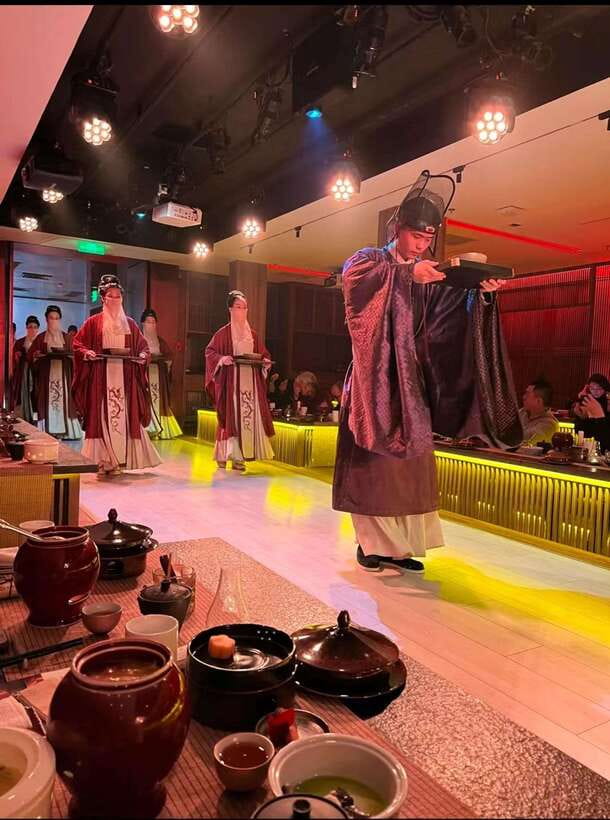
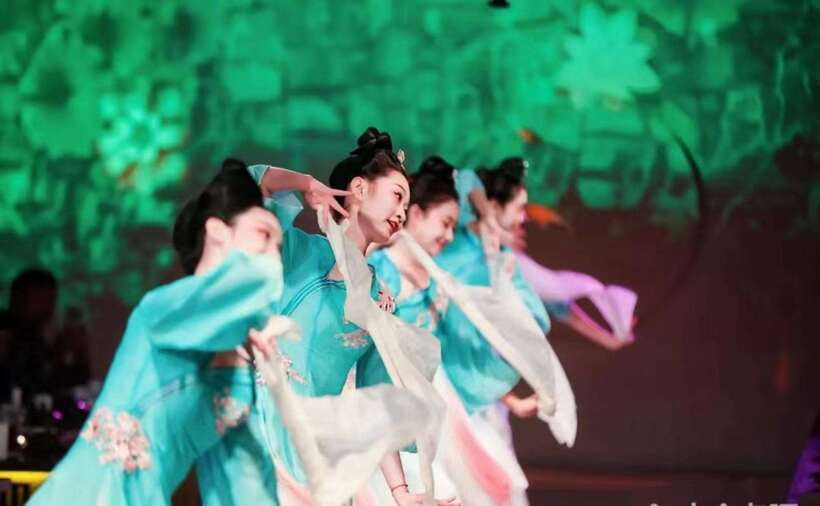
The cultural performance is the second half of the experience. You’ll see traditional Chinese music and dance, and it’s staged like a series of scenes rather than one long “sit and watch” block. Reviews repeatedly point out that the performance continues and changes regularly during the meal, which helps keep your attention even if you don’t follow every spoken line.
Language is the main limitation. The performance is entirely in Chinese and there’s no full English subtitle track. One of the most practical tips from reviews: the wall includes some helpful English translations, but they’re limited. So your best strategy is to treat the show as visual storytelling:
- Watch body language and staging.
- Follow costume changes.
- Use the music and rhythm as your timeline.
If you’re comfortable using tech, a translation app can help you catch certain moments, even if you can’t get full context for everything. Also, if you really rely on scripted dialogue for meaning, know that this format may frustrate you.
Still, the quality comes up again and again: performers are described as professional, and the overall spectacle tends to land even when language is a barrier.
Dressing up in Chinese traditional clothing (and what costs extra)
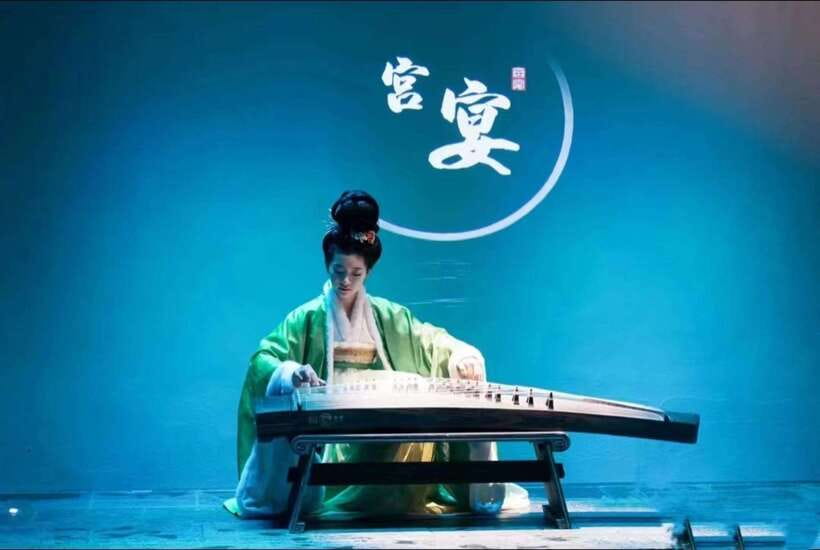
This is one of the most fun parts if you enjoy costumes. The experience offers traditional clothing styling, and you can get makeup as an add-on for 200 RMB paid on the day.
A couple of practical notes based on what’s been shared:
- You might find that the dress-up options are tied to specific styles, including Ming dynasty–inspired looks.
- Reviews mention you may be able to get extra help like professional photo arrangements for those who want it.
- One review noted the guest could opt for traditional clothing without the full hair service and was charged about half price (100 RMB). That suggests flexibility, but don’t treat it as a universal rule—confirm with the staff at check-in.
From a comfort and planning angle, think about timing. If you want the full look, show up on time. Dress-and-makeup takes you from observer to participant, which is exactly the point here.



The staff and the small perks that matter
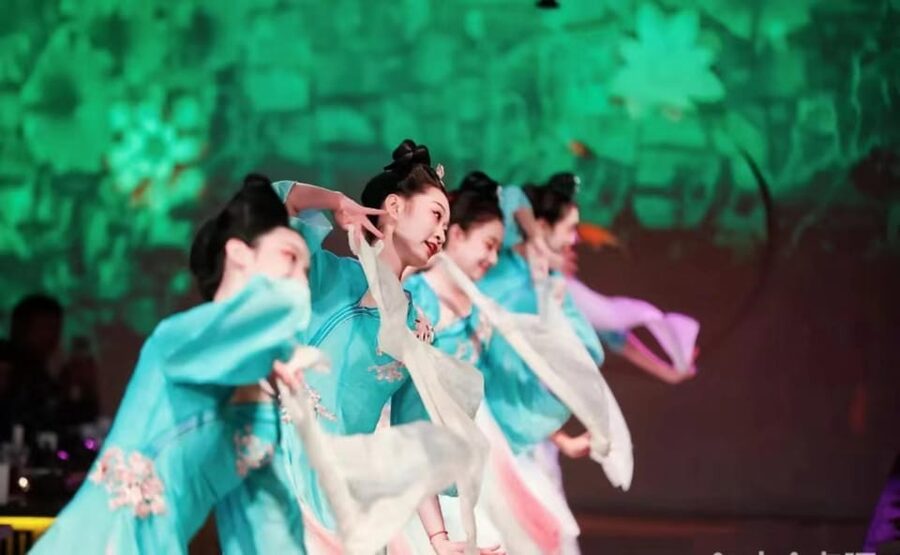
It’s not just the palace décor and the stage show. People mention service details that make the event feel smoother.
Examples from reviews:
- Staff took photos at no extra cost.
- Service was described as accommodating, including help with vegetarian requests.
- Even when English is limited, the team tends to communicate clearly through gestures, instructions, and support at your seat.
You shouldn’t expect fluent English for everything. If you don’t speak much Mandarin, plan to point, show messages on your phone, and rely on staff cues. That’s normal for many cultural performances in China, and it works fine if you go in with the right mindset.
What kind of traveler should choose this?
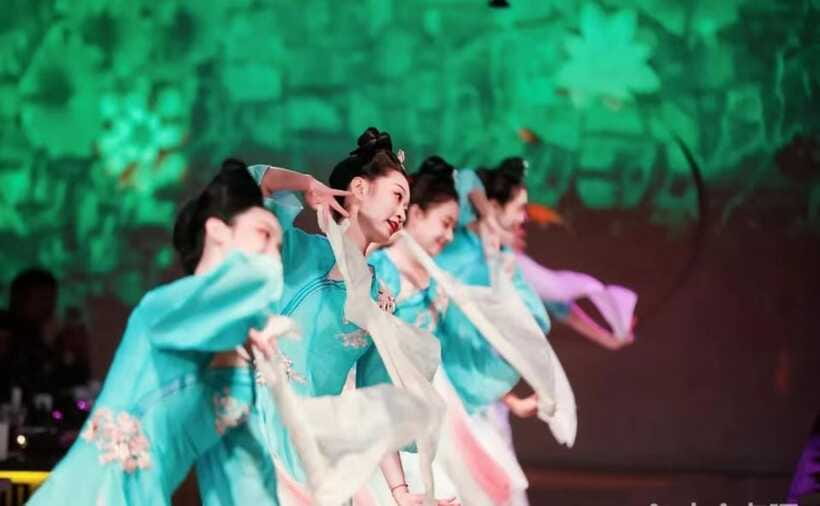
This experience is a strong match if you want:
- A seated meal plus a live cultural show in one time block
- Traditional costumes and photo opportunities
- A Shanghai activity that feels “special” without needing much planning once you arrive
It’s less ideal if you:
- Need the show to be explained in detailed English
- Are traveling with very young kids (see below)
- Don’t enjoy the idea of trying unfamiliar traditional dishes
A good fit includes couples, friends, and solo travelers who like theater and want a night that feels different from shopping streets and museum loops.
Kids and height rules you should take seriously
This event is not recommended for children under 3 years old. There are also ticket rules based on height:
- Kids under 130 centimeters need a child ticket
- Kids over 130 centimeters need an adult ticket
If you’re bringing children, consider two things. First, the show lasts around 2 to 2.5 hours, and second, the banquet is multi-course and includes foods that may not fit a picky eater’s comfort zone. If your child is small and will have trouble with the environment, you’ll likely enjoy the evening less.
Price and value: what $117 is actually buying
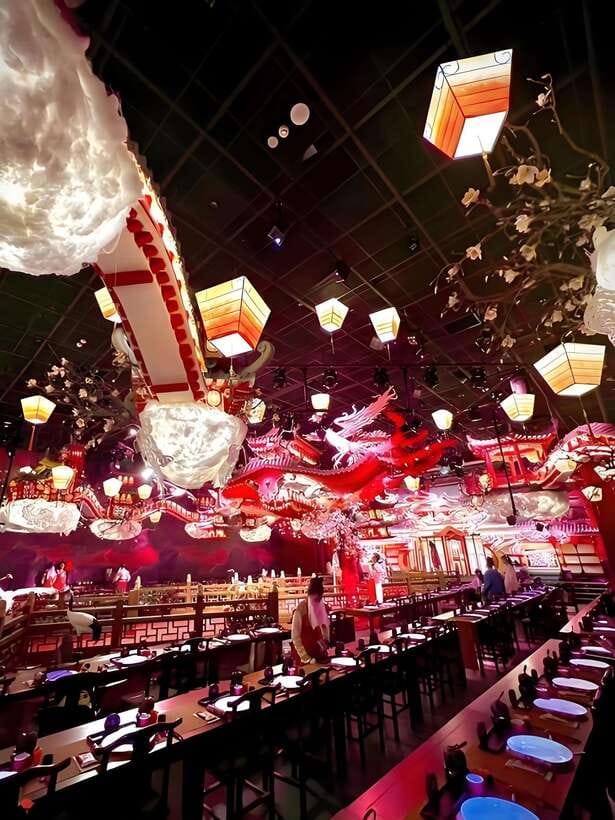
At $117 per person, you’re not paying only for dinner. You’re paying for a bundle:
- A royal-style banquet with tea, sweets, and multiple savory courses
- A traditional performance that runs through the meal
- A themed palace venue
- Skip-the-line entry through a separate entrance
So the value equation depends on what you’d otherwise do. If your plan is just “dinner and maybe a show later,” this can be cost-effective because it bundles everything into one ticket and one seat. If your plan is already heavy on paid attractions, treat it more like a “choose-your-night” splurge.
Also remember: the costume-and-makeup add-on costs extra (200 RMB for makeup). The base price still includes the meal and show, so you’re not required to pay for dress-up to enjoy the evening.
How to get there without stress
Meeting point can vary by which option you book. But one practical tip from reviews: if you’re coming by Didi, use the pin Palace Banquet rather than a complicated Chinese address. That usually saves you time and confusion.
When you arrive, follow staff directions for check-in and entry. The separate entrance helps, but you still want to be on schedule so you don’t get held back while the room is prepared.
Should you book the Shanghai Royal Banquet?
I’d book it if you want a night that blends Chinese palace-style atmosphere, a proper multi-course banquet, and a live traditional music-and-dance show that keeps moving during the meal.
Skip it (or choose carefully) if English storytelling is a must, because the performance is in Chinese and English support is limited. You’ll still likely enjoy the show through visuals, but you should know that ahead of time.
If you like dressing up, this ticket becomes even more worthwhile because the costume and makeup option lets you participate, not just watch.
In short: this is a solid “Shanghai special night” when you’re open to traditional food flavors, comfortable with limited English during the show, and excited by the palace setting.
FAQ
How long is the Royal Banquet experience?
It runs about 2 to 2.5 hours, with scheduled check-in times before the performance begins.
What time do I need to check in for lunch?
Lunch check-in is 11:30, and the performance is listed at 12:00 (some sessions show 12:08).
What time do I need to check in for dinner?
Dinner check-in is listed as 18:00 in one place and 18:30 in another, and the show start is listed as 18:28 or 19:00 depending on the option.
Is the show offered in English?
The performance is described as being in Chinese, and there isn’t a full English subtitle option. Some English information may appear on the walls.
What’s included in the meal?
The included items cover a tea service, multiple sweets, drinks, and many savory courses, including dishes like red-cooked pork with abalone and fish maw and abalone soup, plus noodles and fruit yogurt.
Does the ticket include dress-up and makeup?
Dress-up is part of the experience, but traditional clothing with makeup costs an extra 200 RMB and is paid on the day.
Are kids allowed?
Children under 3 years old are not recommended. Height rules apply: under 130 cm needs a child ticket, over 130 cm needs an adult ticket.
Is there a way to avoid long lines?
Yes. You get skip-the-line entry through a separate entrance.
Can the staff accommodate dietary needs?
There’s at least one reported case of vegetarian and alcohol-free accommodation. If you have dietary needs, communicate them ahead of time so the team can plan.
How can I find the meeting place using rideshare?
One practical tip is to set your Didi destination to Palace Banquet to reduce confusion with addresses.
More Tour Reviews in Shanghai
Tea, Brush & Craft Sessions

Just In: The Newest Shanghai Reviews


Tea, Calligraphy & Chinese Crafts, compared.
 ★ 5.0Shanghai Guided Royal Banquet Photo (Incl) with Massage OptFrom $2047 reviews
 ★ 5.02-Hour Chinese Calligraphy with an Artist in Shanghai, ChinaFrom $5046 reviews
 ★ 4.5Biking Real Shanghai& Tea Tasting ExperienceFrom $8845 reviews
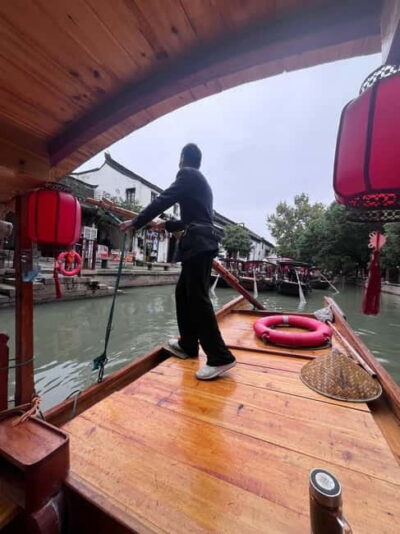 ★ 5.0Zhujiajiao Water Town with Calligraphy ExperienceFrom $12517 reviews
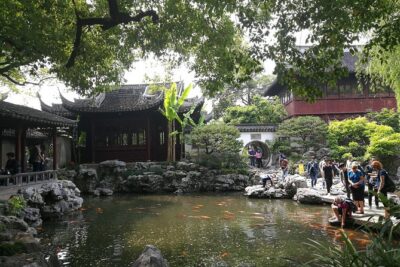 ★ 5.03-Hour Shanghai Yu Garden &Old Town Private Tour with Tea TastingFrom $8017 reviews
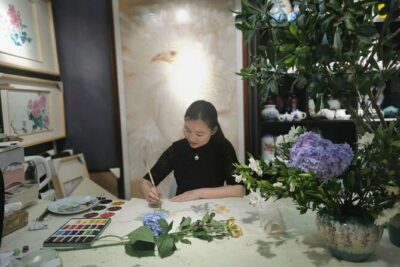 ★ 5.02-Hour Private Chinese Ink and Brush Painting Workshop in ShanghaiFrom $11815 reviews
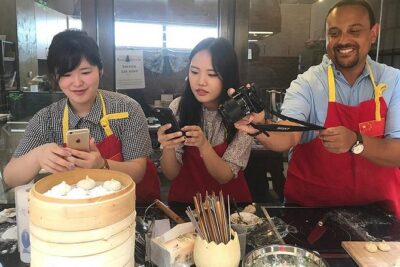 ★ 5.02.5hrs Chinese Kitchen Cooking Class: Xiaolongbao Soup DumplingsFrom $9812 reviews
 ★ 5.0Unlock Chinese Tea: Culture, Science, Tasting & Hands-on BrewingFrom $7212 reviews
Browse the lists this tour appears in