
Reviewed · PRIVATE
Shanghai: Private Tour of the Shanghai Museum
Ancient Chinese art, explained with clarity. I really like the way this 3-hour private tour turns big gallery spaces into a simple route with real context, and I also love the focus on three headline collections: bronze, ceramics, and jade. One thing to keep in mind: cameras aren’t allowed, so you’ll want to plan to take notes instead of relying on photos.
I’d also consider logistics before you go, because hotel pickup isn’t included and you’ll meet at the museum entrance (East Wing). If you hate structured museum timing, this may feel a bit paced, but the guide’s job is to keep you moving and answering questions at each stop.
In This Review
- Key things that make this Shanghai Museum tour worth your time
- Shanghai Museum in 3 Hours: what a private guide actually does for you
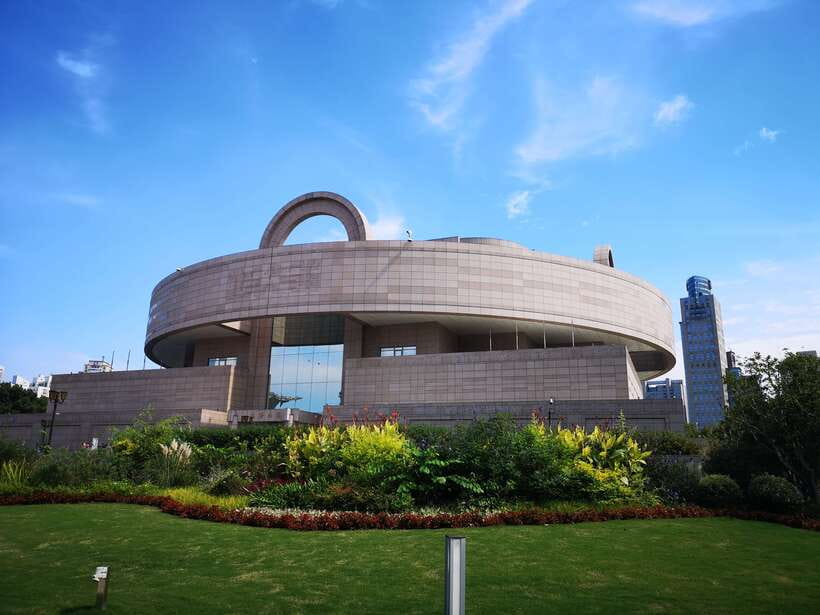
- Getting oriented fast: meeting at the East Wing entrance
- Bronze Gallery: Shang and Zhou ritual power in everyday objects
- Ceramics Gallery: porcelain styles from Ming and Qing, plus blue-and-white
- Jade Gallery: why jade symbolism shows up from burial to daily meaning
- Other galleries plus wrap-up Q&A: where the tour becomes personal
- Meeting rules and practical stuff: timing, cameras, and what to bring
- Price and value: is $60 per person a good deal?
- Who should book this Shanghai Museum private tour
- Should you book this private Shanghai Museum tour?
- FAQ
- FAQ
- How long is the Shanghai Museum private tour?
- Where do I meet my guide?
- What’s included in the price?
- Is hotel pickup included?
- Are drinks included?
- Do I get access to special exhibitions?
- What languages are available for the live guide?
- Can I bring my camera?
- What should I bring for the tour?
- Is the tour wheelchair accessible?
Key things that make this Shanghai Museum tour worth your time
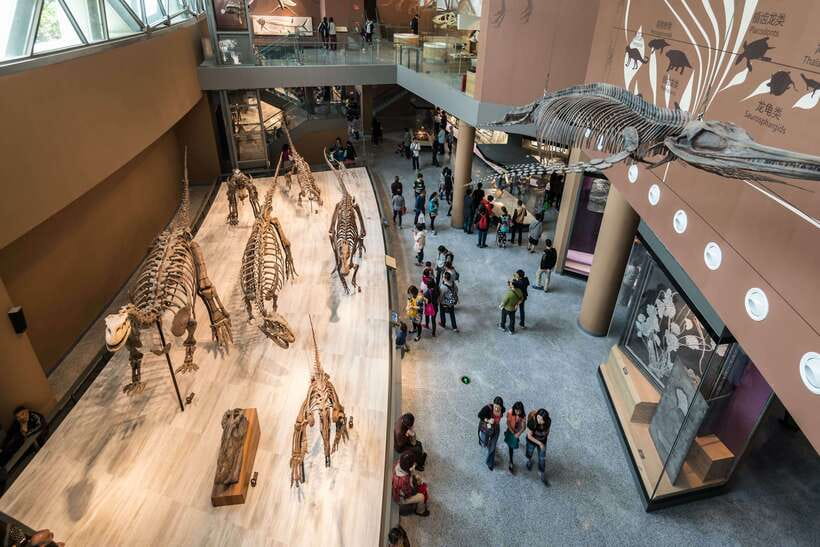
- A tight 3-hour plan that hits the museum’s biggest “wow” materials without wandering
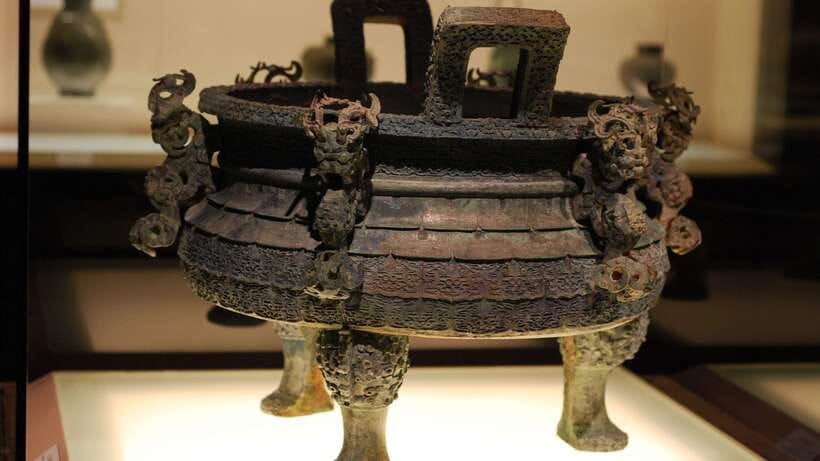
- Bronze Gallery guidance on Shang and Zhou ritual vessels and weapons, plus casting techniques
- Ming and Qing ceramics focus, including famous blue-and-white porcelain
- Jade Gallery storytelling on burial uses, carving methods, and cultural symbolism
- Real Q&A at the end, so your curiosity doesn’t die in the gift shop
- Guides who adjust to your questions, with standout English noted by past tour-goers (Vicky and Linda are named in reviews)
Shanghai Museum in 3 Hours: what a private guide actually does for you
The Shanghai Museum is huge, and you can burn an afternoon there and still leave thinking, I saw a lot of things, but I don’t really know what mattered. This private format helps because you get a human map and a voice that connects objects to meaning as you walk.
I like that your route is built around the museum’s strongest “material stories.” You start with bronze, then shift to ceramics, then land on jade. That matters because each material needs different kinds of attention: bronze is about technique and ritual; ceramics are about design and historical style; jade is about symbolism and craftsmanship. With a guide, you’re not just looking—you’re interpreting.
You’ll also get a practical advantage: it’s easier to ask questions when you’re moving step by step. In past tours, guides like Vicky and Linda Chen were praised for being patient and for explaining exhibits in a way that made details feel organized instead of random. So if you’re the kind of person who always wonders why an object looks the way it does, this is the right pace.
The tour runs 3 hours, and it’s live with a guide in Chinese and English. That’s ideal for couples, solo visitors, and small groups who want a guided path rather than a general audio track.
Prefer your own group? More private Shanghai trips



Getting oriented fast: meeting at the East Wing entrance
You meet at the entrance of the Shanghai Museum East Wing. The guide holds a sign with your name, which is genuinely helpful when a museum entrance has multiple doors and you’re juggling jet lag and signage.
Hotel pickup isn’t included, so plan your own way to arrive on time. Since your meeting point is fixed, arrive a few minutes early so you’re not rushing. If you like extra certainty, one past booking noted that their guide used WhatsApp to share the exact meeting point. That kind of message isn’t guaranteed for every departure, but it’s a good sign that communication is taken seriously.
Also remember this: you’ll need passport or an ID card. That’s one of those simple things that can ruin the start of a museum visit if you forget it.
Finally, go in knowing you’ll be inside the museum for a concentrated route. You’ll have stops, explanations, and time for questions, but you won’t have hours of free-roam. If you want a long wander at your own speed afterward, you can do that—but this tour is the structure piece.
Bronze Gallery: Shang and Zhou ritual power in everyday objects
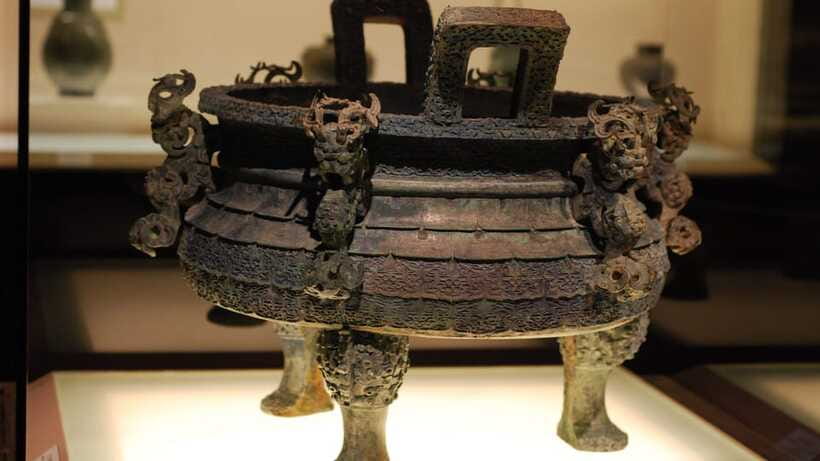
Your tour starts in the Bronze Gallery, centered on artifacts from the Shang (1600–1046 BC) and Zhou (1046–256 BC) periods. This is where the museum’s ancient China storytelling becomes concrete, because bronze in this era wasn’t just art—it was tied to society, ceremony, and authority.
What I like about a guided stop here is the focus on purpose. Your guide explains why bronze mattered in ancient Chinese society and how these objects connected to rituals and socio-political structures. That turns bronze vessels and weapons from “old stuff” into symbols with jobs to do.
You’ll spend time on key piece types, including:
- Ritual vessels
- Weapons
And you’ll learn about the advanced bronze casting techniques used to create them.
Here’s the practical takeaway for you: bronze is detailed, and some of the most interesting features are easy to miss when you’re reading labels at arm’s length. A good guide slows you down in the right places. You start noticing how design supports function—especially with ritual objects, where form and symbolism tend to matter together.
One caution: because the focus is explanation, this isn’t the best moment to sprint through galleries taking quick glances. If you want to understand bronze design choices, you’ll get more out of it when you listen.
Ceramics Gallery: porcelain styles from Ming and Qing, plus blue-and-white
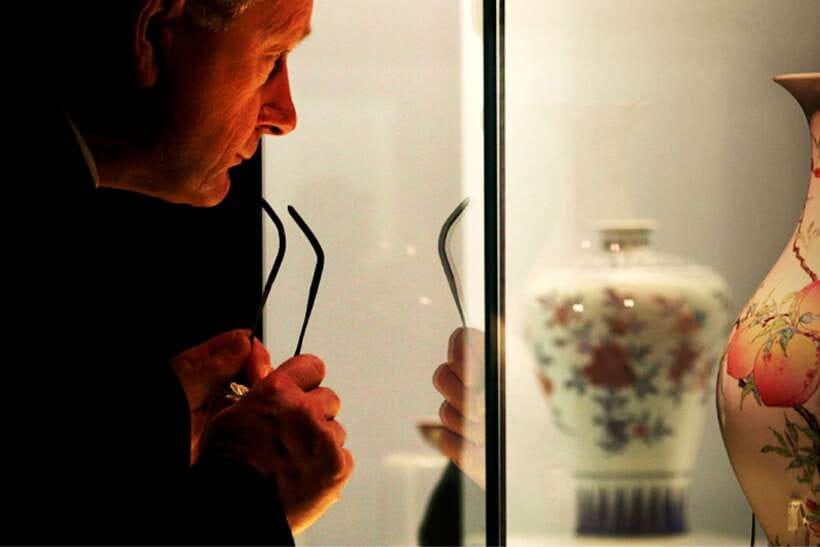
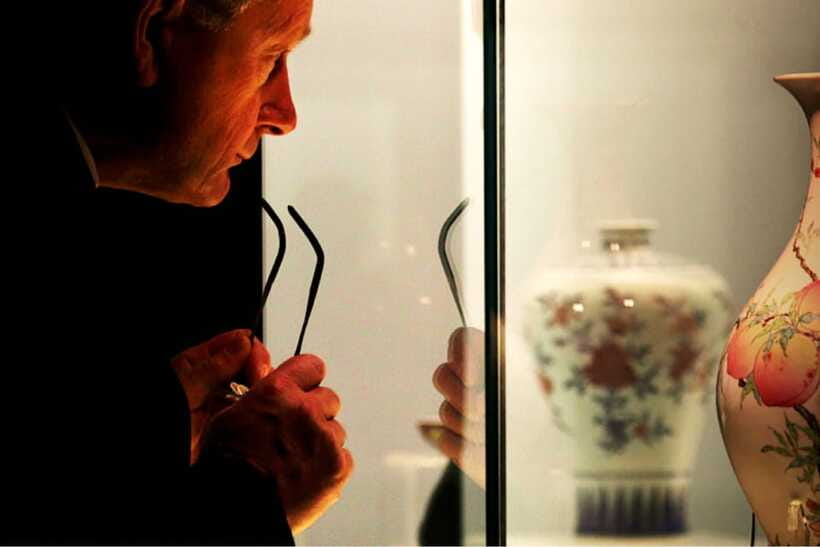
Next comes the Ceramics Gallery, with a strong emphasis on porcelain from different dynasties—especially Ming and Qing. Ceramics can feel endless in a museum, so the best value is having someone translate what you’re seeing into a sense of progression.
Your guide walks you through the evolution of ceramic art in China, including how styles and influences changed over time. That’s what makes this section more than just a pretty display of plates and vases.
Don’t skip the highlight your guide points you to: blue-and-white porcelain. The tour specifically calls out its intricate designs and its historical significance. If you’ve ever wondered how one color palette could produce so much visual complexity, this is the right place to slow down and look carefully.
One practical note for your planning: ceramics often reward closeness. Since cameras aren’t allowed, you’ll want to rely on your eyes and maybe pencil notes if you’re the type who likes to remember details later.
Also, think about what kind of traveler you are. If you love art but want context, ceramics with a guide is a great middle ground: you get visual impact plus a clear storyline about change through dynasties.
Jade Gallery: why jade symbolism shows up from burial to daily meaning
Then you move to the Jade Gallery, where artifacts date back thousands of years. Jade in Chinese tradition isn’t presented as a random stone. The guide connects it to cultural meaning, including how jade was used in burial items and also appears as ornamental objects.
This is one of those areas where labels alone can feel abstract. Jade symbolism gets clearer when you hear the patterns the guide highlights: jade’s cultural role and the ideas it’s used to represent—purity and moral integrity are specifically mentioned as part of the symbolism.
You’ll also learn about carving techniques used to shape jade. That matters because jade is tough to work, and the time and precision involved is part of why it earned such high value. Even if you don’t know the technical vocabulary, the guide’s explanation helps you understand what you’re looking for: the human effort behind the polished surfaces and refined forms.
If you’re wondering what to focus on during jade time, here’s a simple strategy: concentrate on craftsmanship and intent. Ask yourself what the object is meant to do—decorate, memorialize, signal status, or communicate meaning. A guided route makes it easier to connect those dots in real time.
More of the region's story under one roof

Other galleries plus wrap-up Q&A: where the tour becomes personal
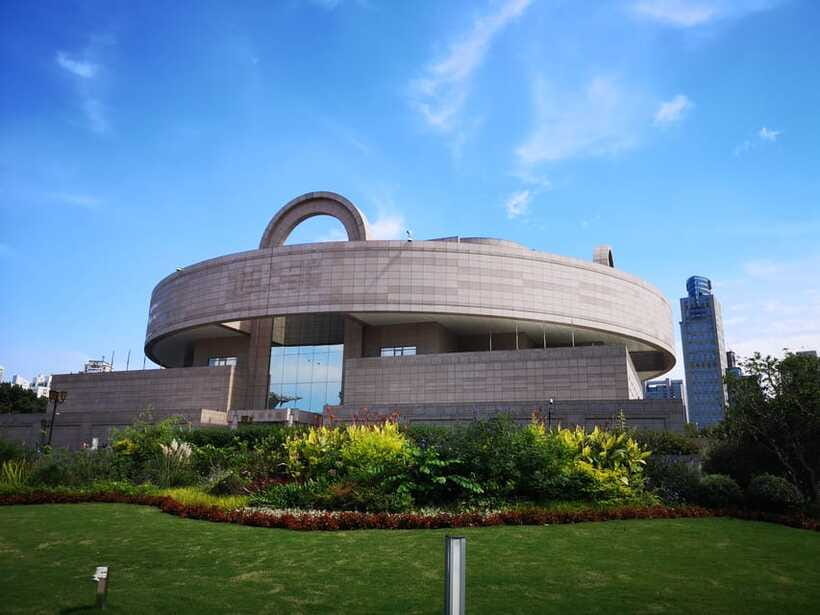
After the three main collections, your guide introduces other galleries available on the day. The exact order can vary with the museum’s program and what’s running at the time, but the structure stays the same: you’re building a mental framework from bronze to ceramics to jade, then you get extra stops to round out the story.
The best part is the wrap-up and Q&A at the end. This is where you can ask the questions that keep building while you’re standing there. If a detail sparked your curiosity—materials, craftsmanship, why certain themes appear across dynasties—this is your chance to get a straight answer.
Past bookings praised guides for handling questions and tailoring explanations to interest. Names like Tom (mentioned for organization help) and guides like Vicky and Linda came up with comments about strong knowledge and friendly, attentive communication. Even if you don’t have a long list of questions, the Q&A often helps you notice things you missed on the first pass.
If you want a museum visit that feels like learning without turning into a lecture, this is the balance: focused viewing stops, guided meaning, and a closing moment to tie it together.
Meeting rules and practical stuff: timing, cameras, and what to bring
This tour is straightforward, but a few details can make your day smoother.
Cameras: not allowed. That’s a big one. If you’re used to photographing everything, switch your mindset. Take notes instead. If you’re a sketcher, this is a good chance to make quick, simple drawings of shapes and patterns you want to remember.
What to bring: passport or ID card. Keep it easy to access.
Drinks: not included. Plan accordingly, especially if you’ll be at the museum longer after the tour. You don’t want to feel stuck searching for water with your tour ending.
Special exhibitions: entry to special exhibitions is not included. If you’re hoping to add a special-show ticket, check on arrival and be ready for a separate charge.
Languages: Chinese and English are covered. If you’re comfortable with English, you’ll likely feel well guided. If you prefer Chinese explanations, you can do that too.
Wheelchair accessible: yes. If mobility is part of your planning, you’ll be glad this isn’t limited to stairs-only viewing.
Price and value: is $60 per person a good deal?
At $60 per person for a 3-hour private tour, you’re paying for two things: museum entry and a live local guide. The guide time is the expensive part, and that’s exactly what makes this feel different from a self-guided visit.
Is it worth it? For me, it depends on how you experience museums.
- If you love reading labels and piecing things together on your own, you might feel you can do it independently.
- If you want explanations that translate objects into meaning—bronze rituals, ceramics evolution, jade symbolism—then the guide helps you get more out of your ticketed time.
The itinerary is also tight and purposeful. In 3 hours, you’re guided through three major collections that are easy to overlook if you’re just trying to “see everything.” You’re not paying to wander; you’re paying to learn.
Also, the tour includes entry. So you’re not juggling separate lines for tickets while your momentum dies. That’s a quiet value point.
The only real cost surprises to watch: drinks and special exhibition entry are not included. If you plan to add anything beyond the main route, budget a little extra.
Who should book this Shanghai Museum private tour
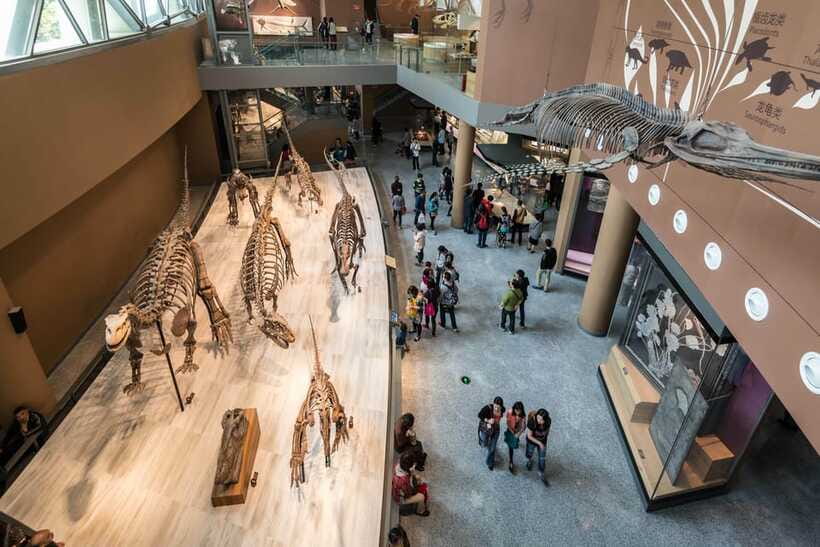
This tour is a great fit if you:
- Want a structured 3-hour path through Shanghai Museum’s best-known collecting themes
- Enjoy art when someone connects it to culture and everyday meaning
- Ask lots of questions (the guide format and Q&A time are built for that)
- Travel with a partner or family who would rather listen than read for an hour straight
It’s also ideal for first-time visitors who feel overwhelmed. The route keeps you from getting lost in the museum’s scale.
If you’re a hardcore museum hopper who likes to take 20 minutes per display and you rarely ask questions, you might prefer self-guided time. But even then, this can be a good first stop—because the bronze, ceramics, and jade framework gives you a faster way to understand what you see afterward.
Should you book this private Shanghai Museum tour?
If you want your time to feel efficient and meaningful, I think this is an easy yes. The strongest reason is the combination of entry plus a guide focused on three major galleries, with Q&A to answer your questions before they fade.
Book it if you care about context—bronze as ritual and social signal, porcelain as evolving style, jade as symbolism tied to values like purity and moral integrity. You’ll likely leave with a clearer sense of what the objects were meant to communicate.
Skip it or keep expectations modest if you’re planning to use cameras and mostly want to record everything. The no-camera rule changes the vibe. Also, because hotel pickup isn’t included, you’ll want to manage arrival timing yourself.
FAQ
FAQ
How long is the Shanghai Museum private tour?
The tour lasts 3 hours.
Where do I meet my guide?
Meet at the Entrance of the Shanghai Museum East Wing, where the guide will hold a sign with your name.
What’s included in the price?
The price includes a guide and entry to the Shanghai Museum.
Is hotel pickup included?
No. Hotel pickup is not included.
Are drinks included?
No. Drinks are not included.
Do I get access to special exhibitions?
Special exhibition entry is not included, so you may need separate access if you want to visit those areas.
What languages are available for the live guide?
The live tour guide is available in Chinese and English.
Can I bring my camera?
No. Cameras are not allowed.
What should I bring for the tour?
Bring your passport or ID card.
Is the tour wheelchair accessible?
Yes, the tour is wheelchair accessible.
More Private Shanghai Tours


More Tours in Shanghai


More Tour Reviews in Shanghai

Just In: The Newest Shanghai Reviews









Private, compared.
 ★ 5.0Zhujiajiao Water Town and Shanghai City Private Day TourFrom $2461,016 reviews
 ★ 5.0Private Shanghai Full Day City Tour with Old and New HighlightsFrom $115995 reviews
 ★ 5.0Shanghai Private Tour: Zhujiajiao Water Town and Boat RideFrom $148661 reviews
 ★ 5.0Zhujiajiao Private Tour w/ Boat Ride & GardenFrom $139460 reviews
 ★ 5.0Suzhou Private Day Trip from Shanghai with Bullet Train OptionFrom $193366 reviews
 ★ 5.0Private Full-Day Tour: Incredible Shanghai HighlightsFrom $109352 reviews
 ★ 5.0From Shanghai: Private Zhujiajiao Tour with Boat RideFrom $171334 reviews
 ★ 5.0Private Suzhou Day Trip from Shanghai by Bullet Train with All Inclusive OptionFrom $220283 reviews