
Reviewed · FORMER FRENCH CONCESSION WALKS
Shanghai: Xintiandi, CCP Museum and French Concession Tour
Shanghai’s contradictions feel personal on this walk. You start in the artsy Tianzifang lanes, work through the Former French Concession, and end at the CCP story centered in Xintiandi.
I especially like how the guide ties buildings to power: you don’t just see stone and gates, you hear how courts and residences shaped daily life. I also like that it’s a small group (limited to 10), so you can ask questions and get answers without getting shuffled along.
One consideration: you’ll be on your feet through several key stops in about three hours, so plan on a steady walking pace and bring comfortable shoes.
In This Review
- Key highlights to watch for
- Entering Tianzifang at the right spot
- Tianzifang’s creative lanes: why the mood changes fast
- Former French Concession on foot: courts you can almost picture
- Sinan Mansions: Western-only building rules in a single walk
- Zhou Enlai’s former residence: French-style setting, CCP use
- Dr Sun Yat-sen’s former residence: seeing what’s left untouched
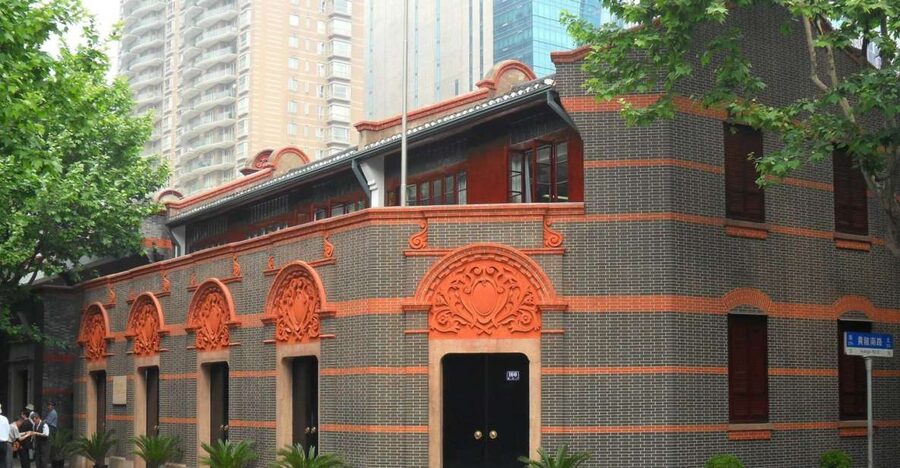
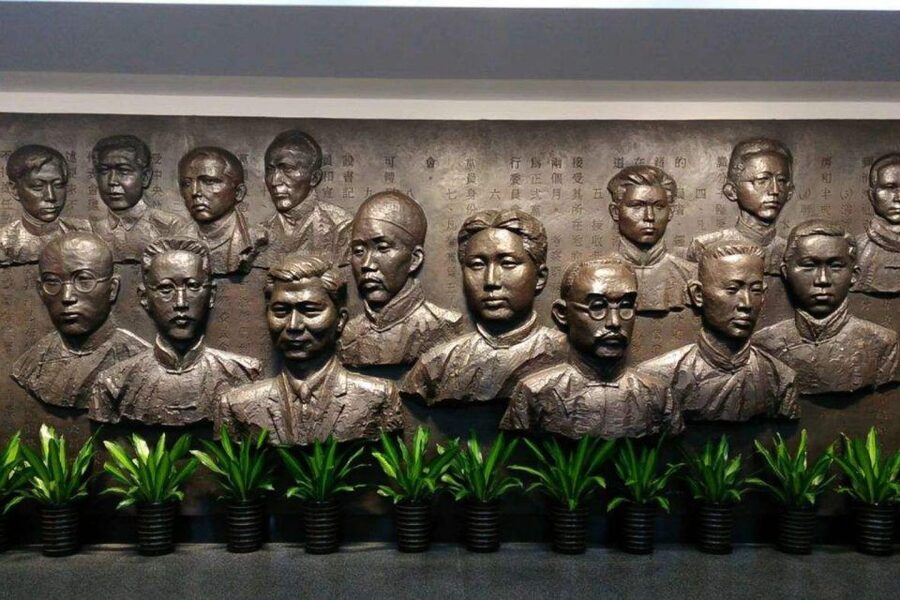
- Xintiandi: where the CCP formed and the first National Congress site
- Price, time, and what you really get for $60
- Practical tips so the walk stays fun
- Who should book, and who might skip it
- Should you book this Shanghai CCP and French Concession tour?
- FAQ
- How long is the tour?
- What does the tour cost?
- Where do I meet my guide?
- What time should I arrive at the meeting point?
- Will I be picked up from my hotel?
- What languages are available for the live guide?
- How big is the group?
- What stops are included on the route?
- What should I bring with me?
- What should I know about cancellation and payment?
Key highlights to watch for
- Tianzifang first: creative lanes set a human pace before the political sites
- Shanghai Associated House Common Pleas: street-level context for UK, US, and France running courts
- Former French Concession focus: you see how planning and rules shaped what got built
- Sinan Mansions: Western villas allowed, which changes what you notice as you walk
- Zhou Enlai and Sun Yat-sen residences: leaders’ homes in French-style settings, with details left intact
- Xintiandi and CCP origins: the site of the first CCP National Congress
Entering Tianzifang at the right spot
This tour is built around a smart warm-up. You meet in front of Tianzifang station (田子坊3号门), entrance number 3, at 泰康路248弄田子坊3号门. The guide holds a GetYourGuide logo, and I’d plan to arrive about 15 minutes early so you’re not doing detective work while everyone else starts.
Starting in Tianzifang matters because it keeps the day from feeling like a museum line. Tianzifang is described as a cozy neighborhood full of creative businesses, which is exactly how you want to ease into Shanghai’s layered history. You get street texture, not just monuments.
And there’s a practical bonus. If your head is still spinning from jet lag or subway navigation, this first stop helps you get your bearings fast. From there, the walk through the Former French Concession feels less like random detours and more like a deliberate storyline.
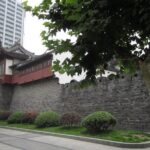
More plane-tree lanes in the French Concession



Tianzifang’s creative lanes: why the mood changes fast
Tianzifang is where the tour shows you Shanghai as a working city, not a set of photo stops. Expect lanes that feel intimate, with small shops and creative uses of space. It’s the kind of place where the buildings don’t shout history at you, but the neighborhood still has a personality.
What I like here is the contrast. You’re about to move into sites tied to international governance and revolutionary politics. Tianzifang gives you a softer landing first, so when the conversation turns sharper, it lands better.
Also, based on how guides run the route, you may get more than a quick look-and-go. Some guides are praised for taking people through nearby streets where residents and small businesses operate, which helps Tianzifang feel lived-in rather than staged.
Tip from the shoe department: you’ll likely be walking through tight lanes and turning corners often. Comfortable shoes are not a suggestion here; they’re how you keep the three-hour mark enjoyable.
Former French Concession on foot: courts you can almost picture
Once you leave Tianzifang, the tour shifts into the Former French Concession, often abbreviated as the FFC. This is where Shanghai’s international chapters stop being vague and start becoming visual.
A key stop is the Shanghai Associated House Common Pleas. This is the kind of location that makes history feel concrete because the story is built around legal life: the UK, US, and France ran courts in Shanghai. You’ll hear the “how” and “why” behind that setup while you’re standing in the area where it mattered.
The big value for you isn’t memorizing names. It’s learning how foreign administrations influenced the built environment and the rules people lived under. After hearing the court story, the architecture and street layout tend to click into place in your mind.
This is also where a strong guide makes a measurable difference. Guides like Tom and Roy are praised for fluent English and for explaining the French Concession in a way that stays coherent even when the topic gets heavy. If you like asking questions, this is the part of the day where your curiosity gets rewarded.
Sinan Mansions: Western-only building rules in a single walk
Next comes the Sinan Mansions area. The tour frames it with a specific rule: only Western villas were allowed to be built there. That one sentence changes how you look at the neighborhood.
Instead of seeing “old buildings,” you start noticing how policy shaped architecture. You’re essentially reading history through zoning logic. Even if you’re not an architecture person, this helps you understand why certain streets feel distinct from other parts of Shanghai.
The tour then moves into the orbit of CCP figures through buildings tied to Zhou Enlai and the early Party presence. You’re still walking, but the meaning changes. The same careful streets and European-style settings that reflect colonial-era decisions also become locations in the revolutionary narrative.
If you’re the type who likes to connect dots, this section is designed for you. You’re given a framework (Western-only villas), and then the guide shows how political history overlaps the physical space.
Zhou Enlai’s former residence: French-style setting, CCP use
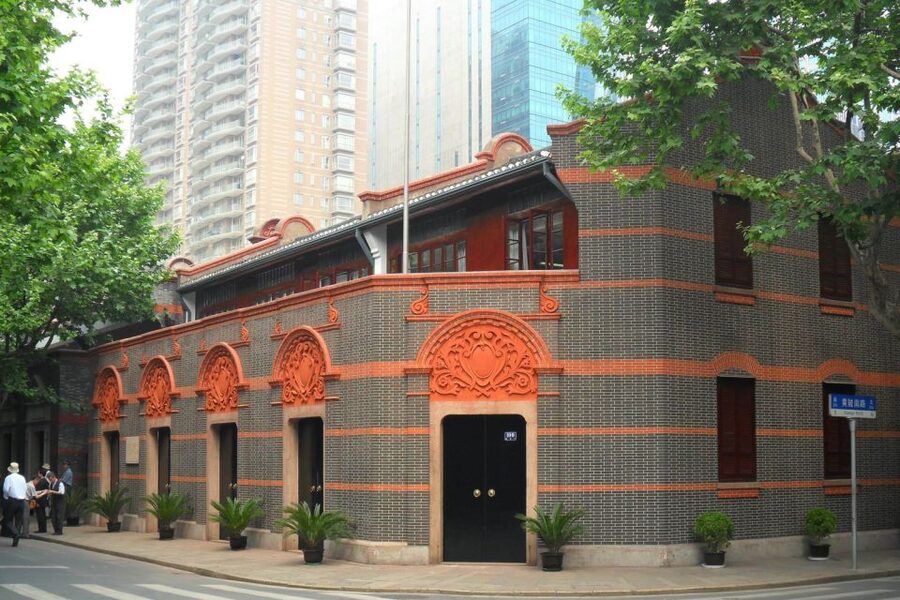
One of the most striking stops is the former residence of Zhou Enlai. The tour description is clear on two things: it’s in a French-style building, and it was used as the Shanghai Office of the Delegates of the Communist Party of China.
That combination is powerful because it refuses to keep history in neat compartments. You’re in a building style tied to Western influence, but you’re also learning how CCP representatives used that setting to function in Shanghai.
Practically, this stop is also a good break from pure street-level context. You get a more focused moment where the guide can explain the role of the building without rushing into the next corner.
What you’ll take away is not a list of facts. It’s an understanding that the city’s same physical “look” could serve completely different political purposes at different times. For many people, that’s the turning point of the whole tour.
More of the city's layered history, up close

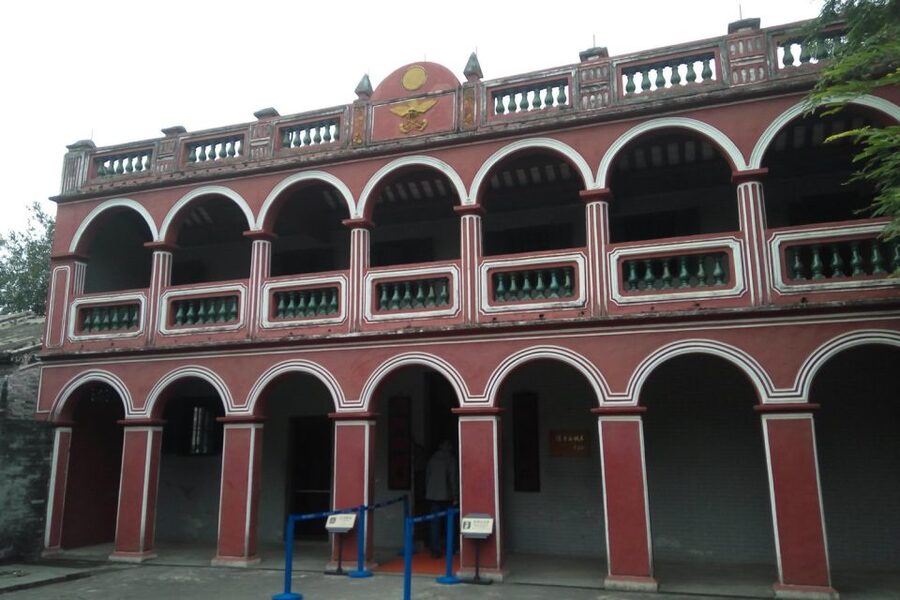
Dr Sun Yat-sen’s former residence: seeing what’s left untouched
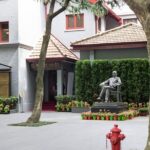
Then the tour shifts again to Dr Sun Yat-Sen. You’ll visit his former residence, and the description notes that most elements remain untouched. That matters. When you’re told that the building retains much of what it used to have, it gives you permission to slow down visually.
The guide will connect Sun Yat-sen to the revolution, focusing on how he influenced events and how he remains one of the most renowned figures in Chinese society. You don’t need a timeline in your pocket for this stop to work, but you do need the guide to connect the dots.
If you enjoy comparisons between eras, this is the moment where you can feel the difference between revolutionary leadership and the CCP’s later organizational story. The tour doesn’t treat these as isolated legends; it treats them as linked chapters in the larger arc of power.
And if you’re asking questions, this is a good place to do it. The guide’s explanations are designed to meet you where you are, whether you arrived curious about politics, architecture, or both.
Xintiandi: where the CCP formed and the first National Congress site
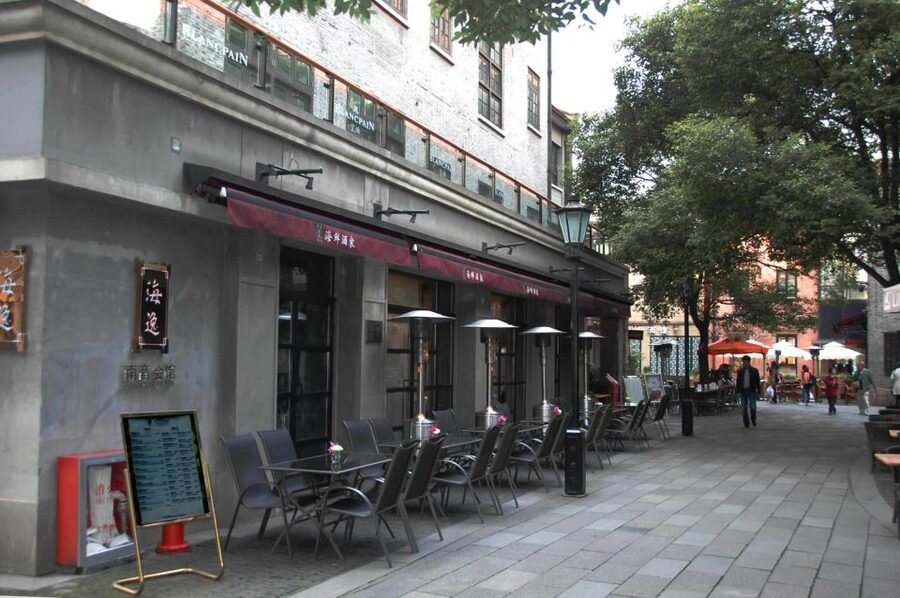
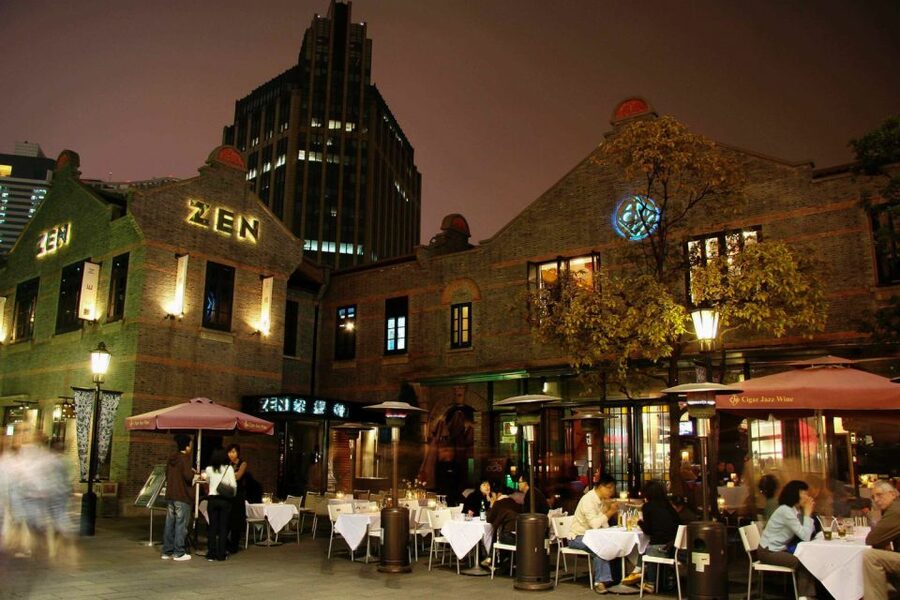
Finally, you land in Xintiandi, where the CCP was formed. The tour description calls out a specific site visit: the location of the first National Congress of the CCP. That’s the centerpiece stop, and the tour ends here.
Ending in Xintiandi is satisfying because you’re not just touring the past. Xintiandi is a place people experience in the present, so you’re naturally pushed to ask what changed and what persisted. The guide’s job here is to connect the revolutionary origin point to the city around it.
You’ll also get practical guidance for what to do next—recommendations for eateries or bars in the surrounding area. That’s genuinely useful, because it means you’re not left standing there wondering how to turn the historical day into a normal evening.
If you’re thinking about photos, focus less on random shots and more on how the space feels after the walking context. The explanation you hear earlier makes the last stop easier to interpret.
Price, time, and what you really get for $60
At $60 per person for 3 hours, this tour isn’t trying to be a bargain bus ride. You’re paying for two things that are hard to replicate on your own: a coherent walking narrative and an English-speaking guide who can explain what you’re seeing as you’re seeing it.
Included in the price is a professional English-speaking guide, and hotel pickup is included only if you select that option. Hotel drop-off isn’t included, so you’ll plan your return independently.
The small-group limit (up to 10) is part of the value equation. When the group stays small, you can ask follow-up questions, get clarification, and hear the guide’s answers without competing for attention. This is where the praise for guides like Tom and Roy makes sense: fluent English, deep topic clarity, and the ability to talk in depth.
If your goal is to see multiple important locations without spending hours researching, this is a solid use of a half-day.
Practical tips so the walk stays fun
This is a walking-focused experience, so keep it simple:
- Bring comfortable shoes. Expect pavement, corners, and repeated direction changes.
- Carry a passport or ID card, since it’s specifically listed as something to bring.
- Bring a face mask or protective covering. The tour notes it, so it’s smart to have it ready.
If you’re sensitive to crowds, the small group helps. If you’re sensitive to walking time, remember three hours goes fast when you’re moving between multiple stops and listening to stories.
One more thing: since food and drinks aren’t included, it helps to plan a snack or water before you start. That way, you can stay focused during the historical portions and enjoy dinner after.
Who should book, and who might skip it
This tour is a great match if you want Shanghai’s story from two angles: the international setting of the Former French Concession and the revolutionary foundations centered around the CCP at Xintiandi.
It’s also a strong option if you like a guided Q&A style. The experience is set up so your guide can respond in depth and adjust the conversation based on what you care about.
If you dislike walking, or if you want a strictly self-paced route where you can linger for long photo sessions without guidance, you might find the schedule tight. In that case, you could consider taking your time around Xintiandi and Tianzifang separately, but you’d lose the connective tissue this tour provides.
Should you book this Shanghai CCP and French Concession tour?
Yes, book it if you want a structured, story-driven walk that links international court life, Western-influenced architecture, and CCP origins into one day. The mix of Tianzifang’s creative streets, the French Concession buildings, and the final stop at Xintiandi creates a clear flow.
I’d skip it only if three hours of steady walking sounds exhausting, or if you’re not interested in political history at all. For most people who want Shanghai that goes beyond postcard views, this is a good use of time—and it’s built to help the places make sense.
FAQ
How long is the tour?
The tour duration is 3 hours.
What does the tour cost?
The price is listed as $60 per person.
Where do I meet my guide?
Meet in front of the entrance number 3 of Tianzifang (田子坊3号门) station. The address in local language is 泰康路248弄田子坊3号门. Your guide will be holding a GetYourGuide logo.
What time should I arrive at the meeting point?
Plan to arrive 15 minutes in advance.
Will I be picked up from my hotel?
Hotel pickup is included if you select that option, but hotel drop-off is not included.
What languages are available for the live guide?
The live tour guide is available in Chinese and English.
How big is the group?
The group is limited to 10 participants.
What stops are included on the route?
The tour includes Tianzifang, the Former French Concession area (including the Shanghai Associated House Common Pleas), Sinan Mansions, the former residence of Zhou Enlai, Dr Sun Yat-Sen’s former residence, and the Xintiandi area including the site of the first National Congress of the CCP.
What should I bring with me?
Bring a passport or ID card, comfortable shoes, and a face mask or protective covering.
What should I know about cancellation and payment?
You can reserve now and pay later, and you can cancel up to 24 hours in advance for a full refund.
More Tour Reviews in Shanghai





The City's Layered History
Deeper Into the French Concession


Just In: The Newest Shanghai Reviews






Former French Concession Walks, compared.
 ★ 5.0Eat Like a Local Through Shanghai’s French ConcessionFrom $75353 reviews
 ★ 5.0Late Night Food Tour in the Shanghai’s French ConcessionFrom $89260 reviews
 ★ 5.0Shanghai Breakfast Walking Tour of Former French ConcessionFrom $77139 reviews
 ★ 5.0Private Walking Tour in the Former French ConcessionFrom $9567 reviews
 ★ 5.0Private Yu Garden, The Bund, French Concession, Pudong Half-Day TourFrom $12051 reviews
 ★ 5.0Shanghai bar hopping tour in the former french concessionFrom $2943 reviews
 ★ 5.0French Concession Walking Tour with Real LocalFrom $3440 reviews
 ★ 5.0Afternoon Tea and Dessert Tour on the Huaihai Road in ShanghaiFrom $8219 reviews
Browse the lists this tour appears in