
Reviewed · TEA, CALLIGRAPHY & CHINESE CRAFTS
Shanghai: Song Dynasty Tea Ceremony Experience
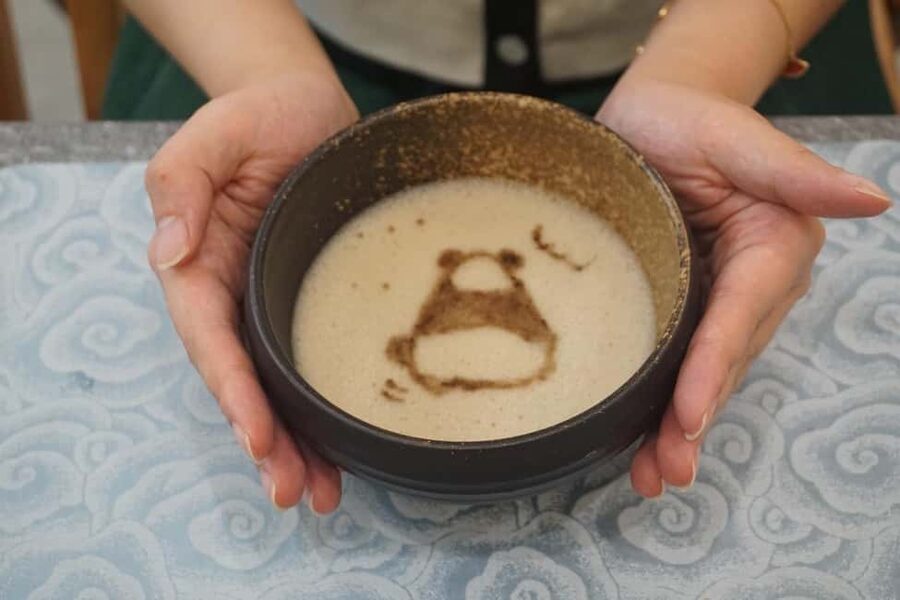
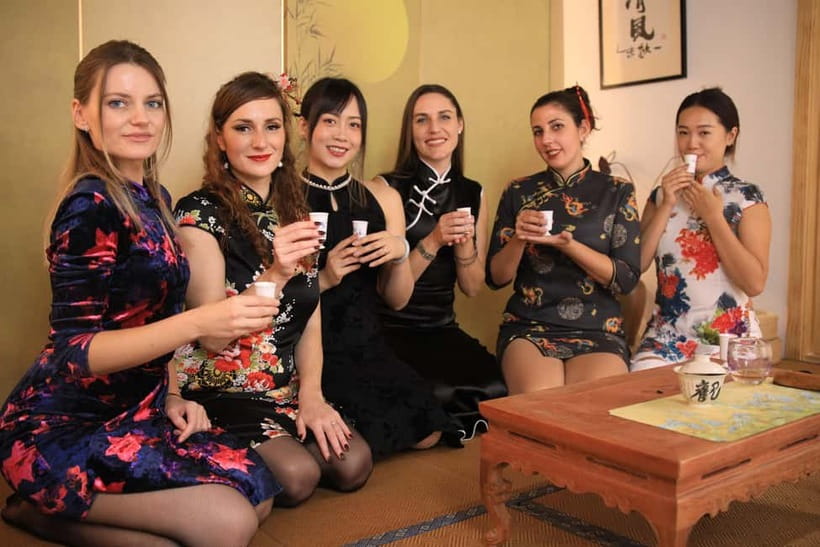
Foam flowers and history, in one calm hour. This Shanghai Song Dynasty tea ceremony is interesting because you don’t just watch—you learn the rhythm and technique behind whisking powdered tea into fragrant, frothy foam. I like that it feels like traditional practice, not a scripted show.
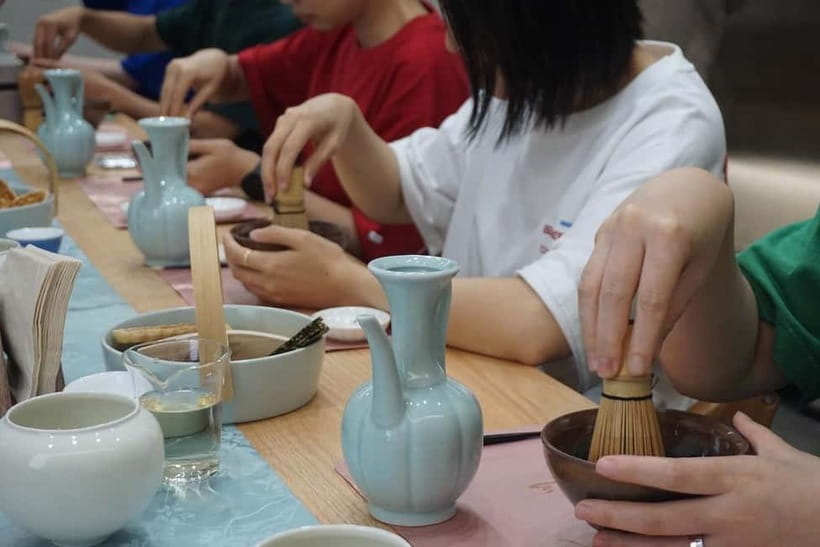
The second reason I think it works so well is the hands-on tools. You’ll use the tea whisk, tea bowl, tea tray, tea scoop, hot water kettle, and tea cloth, guided step-by-step by an expert tea master. If you’re into details—tools, aroma, and the look of the finished tea—you’ll probably enjoy the full “slow down and get it right” feeling.
One drawback to keep in mind: there’s no hotel pickup, and you meet at a mall entrance in Putuo District. Plan to arrive on time and find the guide wearing a white hat with a red Eto logo, otherwise the flow of the 1.5-hour session can feel rushed.
In This Review
- Key things that make this Song tea class worth your time
- Song Dynasty tea, without the museum stuffiness
- Your hands-on setup: whisk, bowl, tray, cloth
- The method: from powdered tea to fragrant foam
- The cultural story you’ll actually connect to
- Where it happens in Putuo District (and how to not stress)
- Time, price, and group vibe in real life
- Who this tea ceremony is best for
- Should you book this Song Dynasty tea ceremony in Shanghai?
- FAQ
- How long is the Shanghai Song Dynasty tea ceremony experience?
- How much does this experience cost?
- Where do I meet the guide?
- Will I get help finding the meeting point?
- What languages are available for the instructor?
- What’s included in the experience?
- Is hotel pickup or drop-off included?
- Is there a cancellation policy?
- Is tipping included?
Key things that make this Song tea class worth your time
- Hands-on whisking with the tools used for powdered tea
- Foam-focused results you can see as the tea comes together
- Expert guidance plus an interpreter when needed (multiple languages offered)
- Aesthetic setting tied to traditional tea presentation
- Real cultural context on Song Dynasty tea in daily life and high society
- Photos included so you can remember the utensils and your finished cup
Song Dynasty tea, without the museum stuffiness
If Shanghai feels fast to you, this tea ceremony gives you a counterbalance. The experience starts with a short cultural introduction to why tea mattered so much in Chinese life, especially during the Song Dynasty—when tea was both a daily staple and something people in higher circles treated as a refined practice. You’ll hear this framing early, so when you start whisking, it feels connected instead of random.
What I like is how the tea story stays practical. You’re not asked to memorize a lecture. Instead, the history helps you understand the tone of the session: careful, measured, and focused on the senses. That matters because Song powdered tea is as much about process as it is about flavor.
You’ll also notice the “ceremony” part isn’t about fancy rules for show. The guidance aims to help you create an aromatic cup that looks right, tastes right, and feels calm to drink. Reviews also point out the visual payoff—especially the way the foam changes as you whisk—so you’re learning with your eyes, nose, and taste buds all working at once.
Sit down to more tea, brush and craft sessions
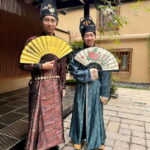
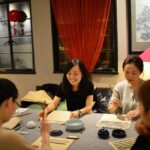
Your hands-on setup: whisk, bowl, tray, cloth
This class gives you the full kit, not just a sample cup. Included items cover the key tools for the powdered tea method: tea whisk, tea bowl, tea tray, tea scoop, hot water kettle, and a tea cloth. You’ll also get the powdered tea leaves used for whisking.
Why this matters for you: tea ceremonies can turn into “watch and sip” if the tools are just props. Here, the included utensils signal that you’re meant to handle the practice. When you pick up the whisk and try to form the foam, you stop thinking of tea as a beverage and start thinking of it as technique.
The tea master’s role is crucial. You’re not left to guess. They guide you through using the tools properly—how to prepare, how to whisk, and how to judge what’s happening. That’s the difference between buying a tasteless novelty “tea moment” and learning a repeatable skill.
It’s also nice that photos are part of the package. Even if you’re not a photographer, you’ll have visuals of the utensils and the process to remember what the session felt like—especially helpful if you want to recreate it later at home with a similar powdered tea whisk setup.
The method: from powdered tea to fragrant foam
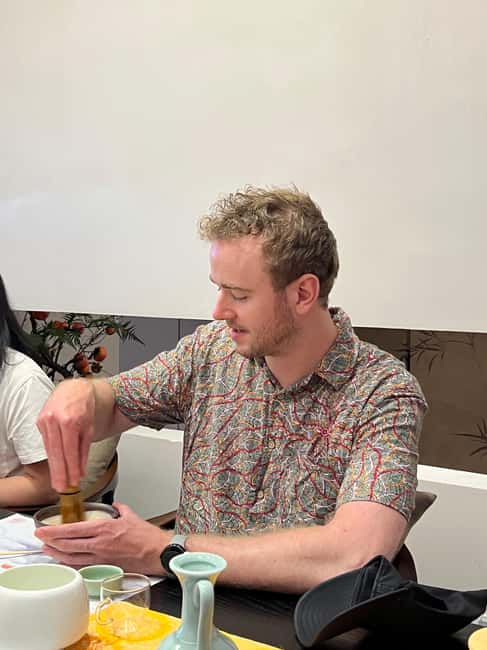
The centerpiece of the experience is learning the Song Dynasty method of making powdered tea. The practical goal is simple: create a frothy, aromatic beverage through proper whisking technique. In plain terms, you’ll be shown how to whisk and then you’ll do it yourself with the guidance of the tea master.
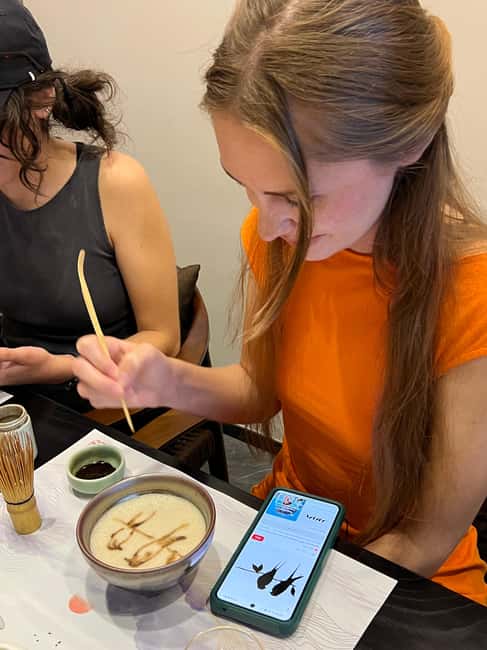
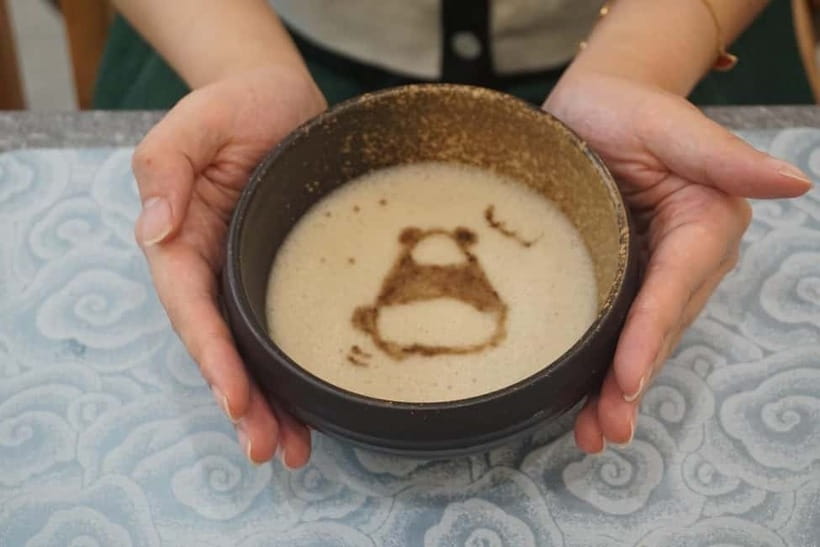
From what you’ll see during the session, the visual changes are part of the learning curve. One reviewer specifically highlighted watching the foam develop into foam flowers on the surface. That kind of detail is why this isn’t just about flavor—it’s about how the tea transforms as you whisk, and that transformation gives you feedback fast.
Here’s what you can pay attention to while you learn:
- Aroma right after whisking, when the tea is most alive
- The texture of the foam as it forms and stabilizes
- How the final cup looks in the bowl, since presentation is part of the craft
Also, this is powdered tea, so don’t expect the same feel as steeped loose-leaf tea. Powdered tea has a different texture and typically a different flavor profile than a basic black or green tea you might know. If you’re open-minded, you’ll likely find it memorable. If you’re very picky about bitterness or earthy notes, take your time with the first sip and let the tea master steer you.
The cultural story you’ll actually connect to
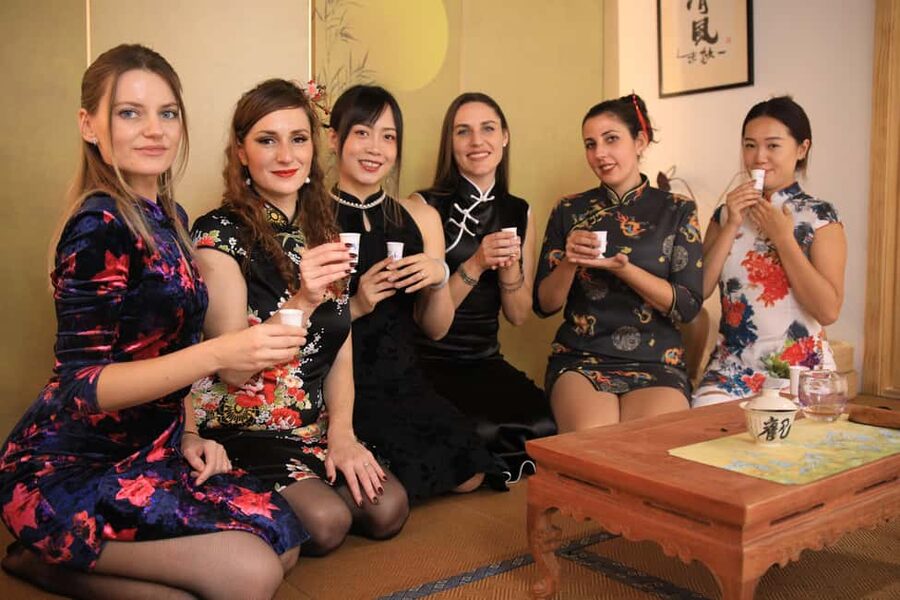
I love when a cultural experience gives you context you can feel, not just facts you forget. Here, the tea master connects the practice to the Song Dynasty role of tea—how it shaped everyday life and how it became part of high-society refinement. That background matters because it explains the “why” behind the pace and care.
You’ll also get the sense that this practice is meditative. Even if you don’t sit in silence at home, you’ll notice the session encourages a steady rhythm: handling tools carefully, whisking with focus, and then sipping slowly. One review described the meditative effect of the whisking rhythm, and that matches what you’ll likely notice as you participate.
Another cultural angle worth paying attention to is aesthetics. The experience is described as reflecting traditional aesthetics, which makes the setting more than decoration. When you’re learning a technique like powdered tea whisking, visuals help you understand success—what the tea should look like when it’s done well.
If you’re a history fan, this is a nice change from “read and move on.” You leave with sensory memories: the look of the foam, the aroma on your breath, and the feel of the tools in your hands.
Where it happens in Putuo District (and how to not stress)
Meet-up is straightforward, but not convenient if you rely on hotel pickup. You’ll meet in the Main Entrance of the Mall at 168 Aomen Rd, Putuo, Shanghai 200071 (Putuo District). Look for the guide wearing a white hat with a red Eto logo.
A mall location is useful in one way: you can usually get restrooms and easy shelter if weather is annoying. The tradeoff is that you’ll need to find the right entrance and timing yourself. If you arrive late or wander, the session clock doesn’t wait for your navigation.
After you book, meeting details get sent via WhatsApp. You also get WhatsApp live support, which is handy if you get turned around. My advice: save the number in your phone right away and confirm your meeting point early. This helps you start the class calm instead of frustrated.
There’s also a nice small practical perk: skip-the-line entry through a separate entrance. That’s usually a relief in Shanghai, where “when you arrive” can matter more than you think for smooth access.



Time, price, and group vibe in real life
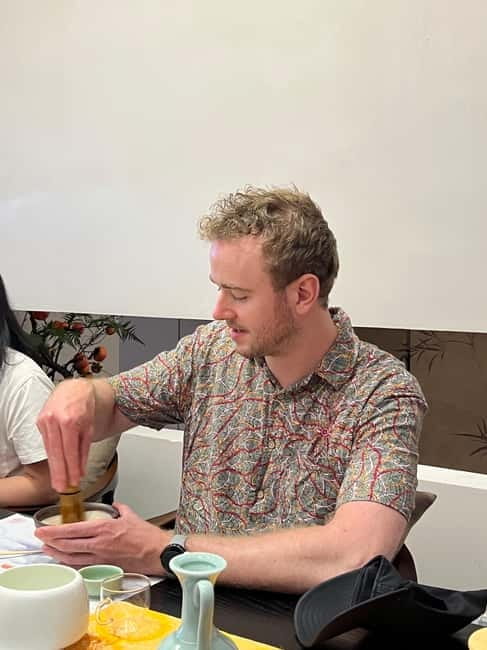
The session runs 1.5 hours and is set up as a private group. That combination affects value. For $78 per person, you’re paying for guided instruction plus the included tea tools and tea, not just a tasting. In other words, your time is the product here: you’re meant to learn technique, not only sample.
Is 1.5 hours long enough to become a powdered tea expert? No. But it’s long enough to leave with real understanding—how to whisk, what the tea should look like, and how the master explains the method. That’s what makes it feel worth the price.
Language support is another value factor. The instructor can work in English, and the experience also offers multiple languages (English, Chinese, Japanese, Korean, Spanish, Russian). If you’re traveling as a mixed-language group, that matters. You shouldn’t have to rely on shaky translations while you’re learning a technique with lots of small cues.
One more note: tipping is not included. If you plan to tip, factor it into your total budget. If you don’t, just know it’s explicitly not part of the package.
Who this tea ceremony is best for
This experience fits best if you like one (or more) of these things:
- You enjoy hands-on cultural activities with real tools
- You’re curious about Chinese rituals beyond basic tea drinking
- You care about aesthetics, presentation, and small sensory details
- You’re traveling with friends or a small group and want something calm, not chaotic
It’s especially good for tea lovers who’ve only had steeped tea so far. Powdered tea changes the game: the texture, the foam, and the whisking technique make it feel like a craft.
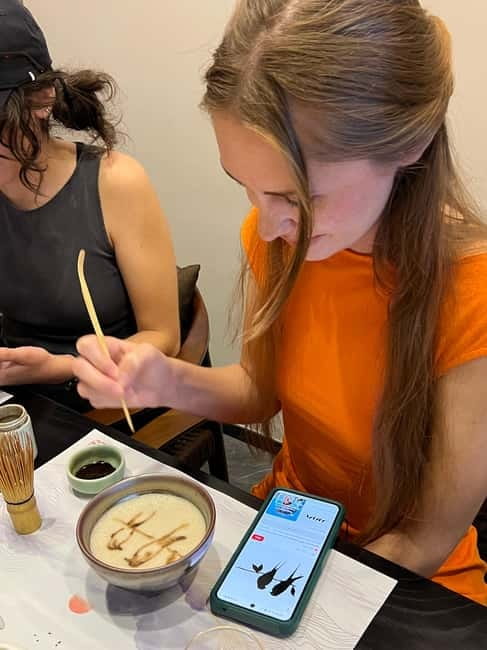
For families, it can be a fun educational session because it’s interactive. For teams or groups, the shared “watch, learn, try, compare results” structure gives people a common activity. One review even mentioned friend-group fun and photo-worthy moments, plus time for light creativity like drawing symbols and getting a small takeaway. That part may vary by session, but the general vibe—learn and have a relaxed, enjoyable time—comes through clearly.
If you’re the type who wants an action-packed itinerary with many stops, this won’t match that style. This is one focused experience. You’re paying for depth of instruction and sensory practice in a short window.
Should you book this Song Dynasty tea ceremony in Shanghai?
Book it if you want a calming, authentic-feeling Shanghai activity where you’ll do the main work—whisking powdered tea—while an expert tea master guides you. The best reason to choose it is simple: you’re not just tasting; you’re learning the method and seeing what success looks like in the foam and aroma.
Skip it (or look for another option) if you dislike meeting at a specific place and prefer hotel pickup, or if you’re uncomfortable with the idea of powdered tea’s different texture and flavor. Also, if you’re only interested in casual tea sipping with no technique, you might find the learning part less satisfying.
If you do book, come prepared to slow down. Wear comfortable shoes for mall navigation and plan to arrive a few minutes early. Save the WhatsApp number so you can get help fast if needed. Then settle in for a session that’s equal parts tea craft, cultural context, and quiet focus. That mix is exactly why this one earns its strong score.
FAQ
How long is the Shanghai Song Dynasty tea ceremony experience?
It lasts about 1.5 hours.
How much does this experience cost?
The price is $78 per person.
Where do I meet the guide?
Meet at the Main Entrance of the Mall, 168 Aomen Rd, Putuo, Shanghai 200071 (Putuo District). Look for the guide wearing a white hat with a red Eto logo.
Will I get help finding the meeting point?
Yes. Meeting details are sent via WhatsApp after booking is confirmed, and there is WhatsApp live support for help.
What languages are available for the instructor?
The experience lists English, Chinese, Japanese, Korean, Spanish, and Russian.
What’s included in the experience?
Included items are the expert tea master, tea bowl, tea whisk, powdered tea, tea scoop, tea tray, hot water kettle, and tea cloth, plus experience photos and WhatsApp live support.
Is hotel pickup or drop-off included?
No. Pick up or drop off service from your hotel is not included.
Is there a cancellation policy?
Yes. Free cancellation is available up to 24 hours in advance for a full refund.
Is tipping included?
No. Tipping is not included.
More Tour Reviews in Shanghai
Tea, Brush & Craft Sessions


Just In: The Newest Shanghai Reviews
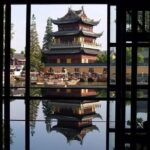







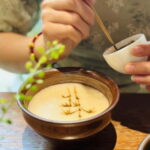
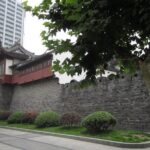


Tea, Calligraphy & Chinese Crafts, compared.
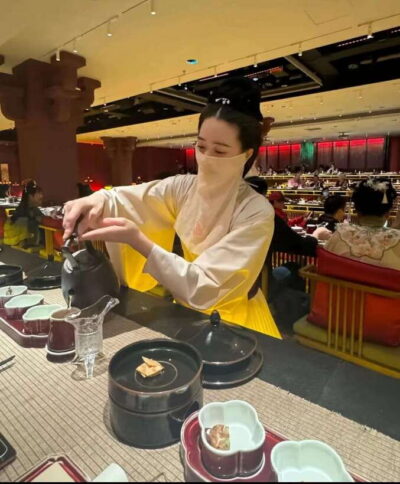 ★ 4.7Royal Banquet with Chinese Cultural PerformanceFrom $117124 reviews
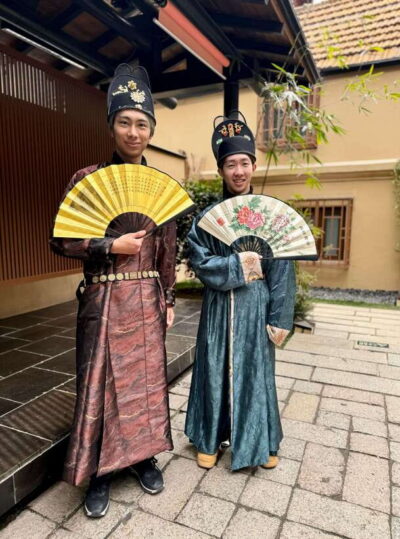 ★ 5.0Shanghai Guided Royal Banquet Photo (Incl) with Massage OptFrom $2047 reviews
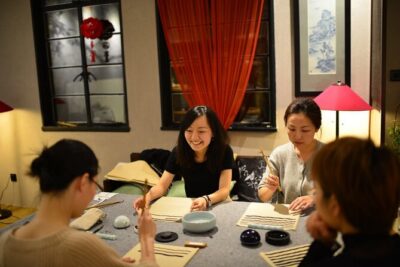 ★ 5.02-Hour Chinese Calligraphy with an Artist in Shanghai, ChinaFrom $5046 reviews
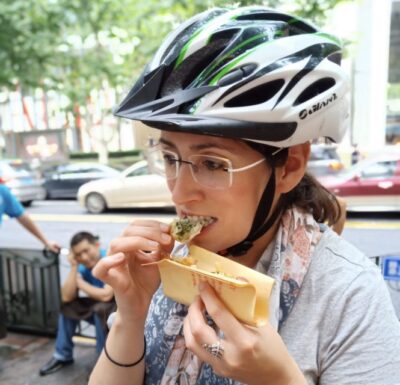 ★ 4.5Biking Real Shanghai& Tea Tasting ExperienceFrom $8845 reviews
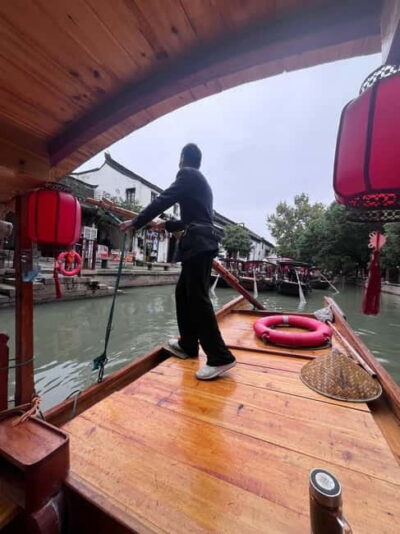 ★ 5.0Zhujiajiao Water Town with Calligraphy ExperienceFrom $12517 reviews
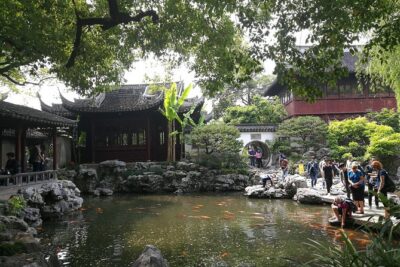 ★ 5.03-Hour Shanghai Yu Garden &Old Town Private Tour with Tea TastingFrom $8017 reviews
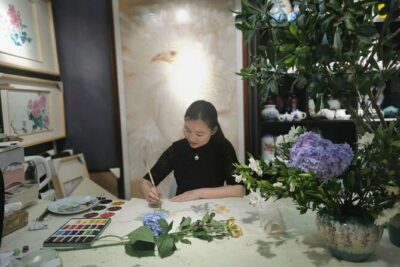 ★ 5.02-Hour Private Chinese Ink and Brush Painting Workshop in ShanghaiFrom $11815 reviews
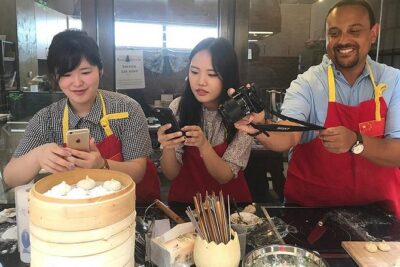 ★ 5.02.5hrs Chinese Kitchen Cooking Class: Xiaolongbao Soup DumplingsFrom $9812 reviews
Browse the lists this tour appears in