
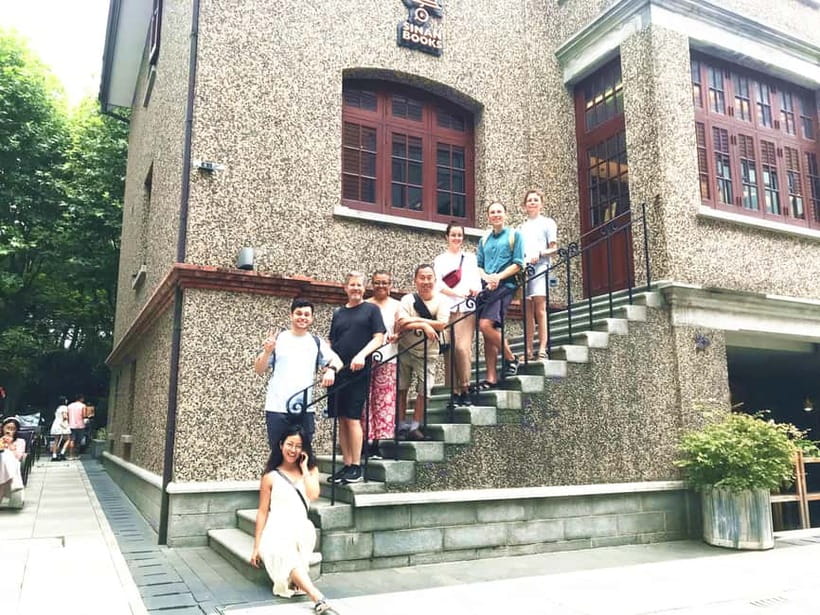
Reviewed · FORMER FRENCH CONCESSION WALKS
French Concession Walking Tour with Real Local
A walk here feels like Shanghai with two timelines at once. You’re exploring the French Concession area, where European-era streets meet major 20th-century turning points.
I really like that you get both atmosphere and context, from tree-lined avenues to named landmarks like the Former French Club and the Jinjiang Hotel. I also like that the guide is a lifelong Shanghainese who can answer history questions on the spot, not just point at buildings. One thing to consider: it’s a true walking tour, and it’s not suitable for wheelchair users.
In This Review
- Key reasons this tour works well
- French Concession Walking Tour with Real Local: what you’re really buying
- Meeting at Okura Garden Hotel and getting oriented fast
- Shanghai Culture Square Theatre: modern landmark with old-district context
- Middle Huaihai Road and the streets that feel like Paris
- Former French Club: style, power, and who used these spaces
- Jinjiang Hotel and Sinan Mansions: luxury-era Shanghai in plain sight
- 1920s neighborhood feel, plus boutiques and café culture
- Communist Delegation Office and the birthplace of the Chinese Communist Party
- How the tour ends at Xintiandi (and why that’s smart)
- What it’s like with Bill as a guide
- Who should book this French Concession walk
- Should you book? My honest take
- FAQ
- How long is the French Concession walking tour?
- Where do I meet, and where does the tour end?
- Is the tour offered in English?
- What are some of the key places visited?
- Are there any rules about smoking?
- Is the tour wheelchair accessible?
- Can I book last minute or pay later?
Key reasons this tour works well
- Local, English-speaking guide (Bill) who’s been doing these tours for years and answers questions with real stories
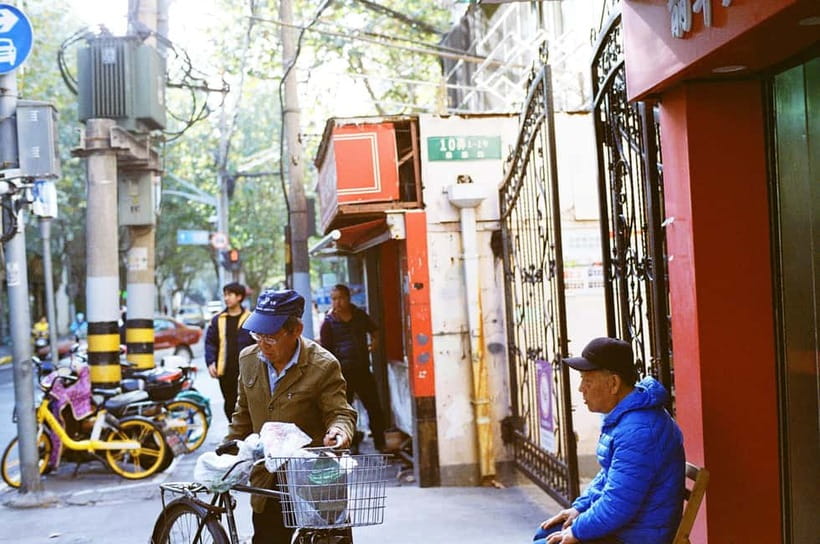
- French Concession details you can see: wrought-iron railings, fences, and old-house streets that still feel like Paris-in-China
- Big landmark stops, not random photos: Former French Club, Jinjiang Hotel, Communist Delegation Office, Sinan Mansions
- Ends in Xintiandi, so you’re not stuck far from food and browsing when the tour finishes
- Careful group handling, with strong feedback about staying together and not getting lost
- Great value for 2.5 hours, especially if you want a guided route through a neighborhood that can feel confusing on your own
French Concession Walking Tour with Real Local: what you’re really buying
This tour is about more than walking pretty streets. You’re paying for a guided explanation of how Shanghai became Shanghai—starting with foreign administration in the 1800s, then shifting through the political and social changes that followed. The “French Concession” label matters, because it shaped the streets, the architecture, and even the way certain buildings were used.
At $34 per person for about 2.5 hours, it’s positioned for good value if you want a dense route with named stops and clear stories. You’re not just getting a casual stroll; you’re getting a plan plus interpretation, so each location connects to the bigger picture.
The guide experience is the real multiplier here. Bill (the operator behind the tour) is described as prepared, kind, and fun, with a sense of humor and a habit of answering questions. Several people also noted he helps with practical ideas after the tour, like where to shop or eat.
More plane-tree lanes in the French Concession


Meeting at Okura Garden Hotel and getting oriented fast
You meet in front of Okura Garden Hotel Shanghai on South Shaanxi Road. The meeting spot is specific—100 meters to the left of Exit 3 at the South Shaanxi Road subway station (Lines 1/10/12)—and that matters because the French Concession streets can be easy to wander in without a plan.
From the start, the pace is meant to get you oriented quickly. You begin near a central hub, then move into the neighborhood grid where those famous tree-lined avenues start to feel like a different Shanghai. If you’ve only seen the city by taxi or Metro, this is the moment where you start reading the streets like a local.
One small practical note: smoking isn’t allowed, so plan for a quick break if you need one, rather than assuming there will be frequent stops.
Shanghai Culture Square Theatre: modern landmark with old-district context
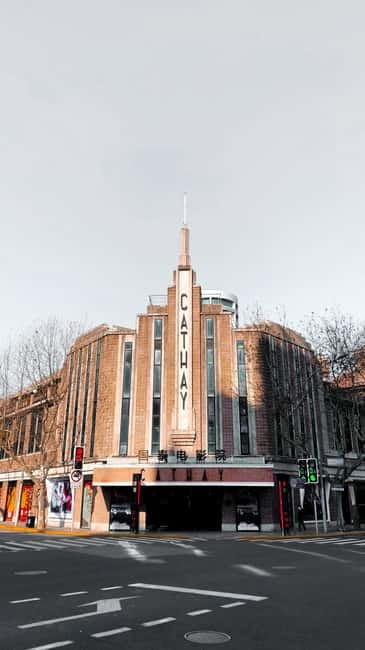
The first named stop is Shanghai Culture Square Theatre. Even if you’re not going inside, the value comes from what happens around it: the tour uses this area to frame how Shanghai grew from an older European-influenced district into a modern cultural and business center.
A guided stop here works because it sets expectations. You learn what kind of neighborhood the French Concession became over time, including the blend of upmarket residential, office towers, hotels, and large shopping malls that now sit alongside renovated older blocks.
Think of Culture Square as your “how did we get here?” checkpoint before the walk turns more architectural and more historical.
Middle Huaihai Road and the streets that feel like Paris
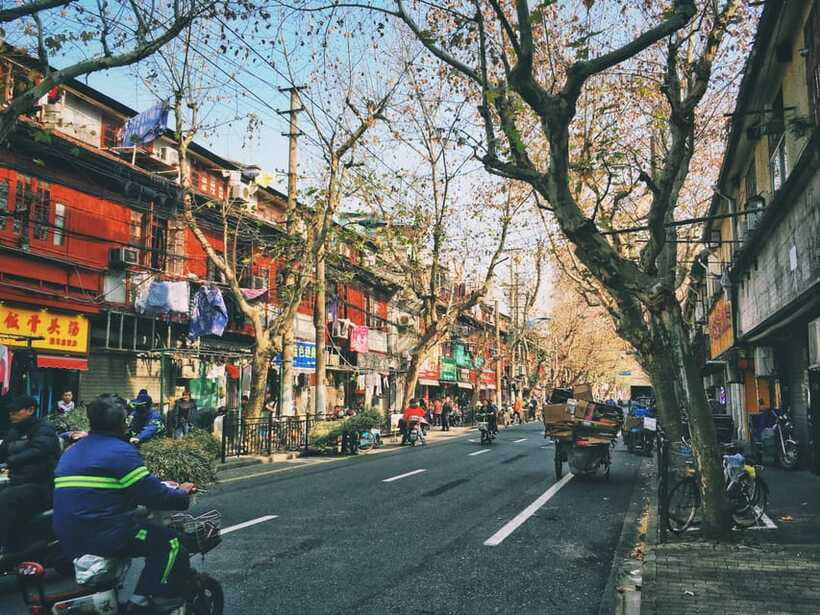
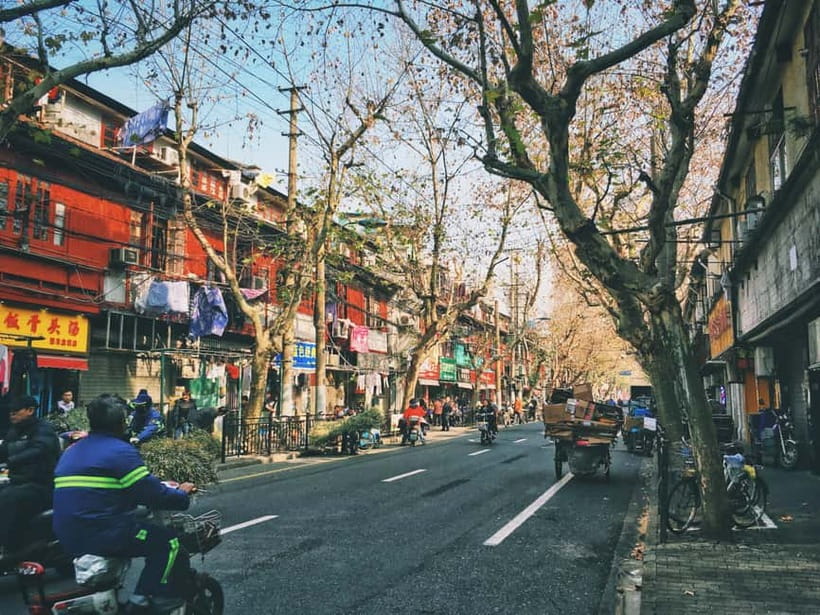
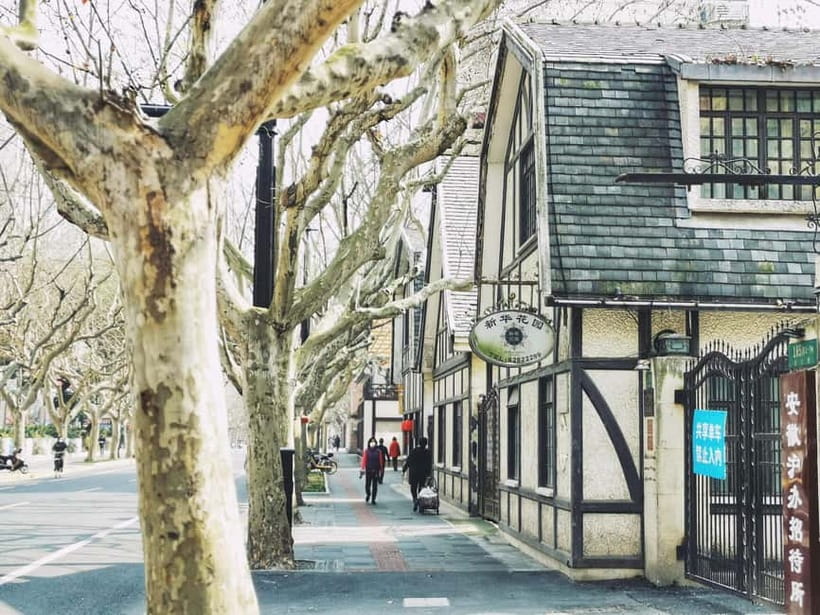
If you want the part that looks good in photos and feels good in real life, this is it. The tour spends time on Middle Huaihai Road, known for its tree-lined avenues and that long European-street vibe you can’t fake.
What I like about this section is that you’re not asked to squint at architecture. You’re meant to notice details such as wrought iron fences and stair railings, which are repeatedly compared to Paris or Montreal. Those visual cues help you understand why people historically described the area as having that Paris-of-the-East feel.
This is also where the contradiction becomes interesting: yes, the French Concession still has old houses and renovated neighborhoods, but the area is now heavily developed too. That mix is the point. You’re watching the city evolve instead of seeing one sealed-off museum district.
Former French Club: style, power, and who used these spaces
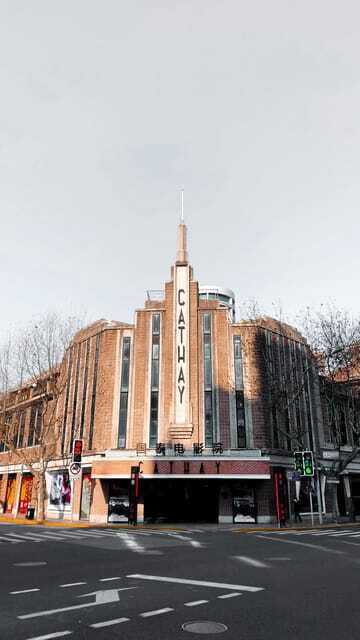
One of the key named landmarks is the Former French Club. On paper, it’s a stop in a walking route. In practice, it’s a shortcut to understanding how foreign administration translated into social life and institutions.
Clubs and similar buildings mattered because they weren’t just buildings; they were meeting points for influence, decisions, and community. Bill’s stories help connect architecture to purpose, so you don’t just walk past a facade—you learn what it represented in its day.
If you enjoy history that’s specific (names, roles, and why a place existed), this is likely one of your favorite stops. The tour is built around places like this: recognizable enough to matter, detailed enough to understand.
See more of Shanghai step by step

Jinjiang Hotel and Sinan Mansions: luxury-era Shanghai in plain sight
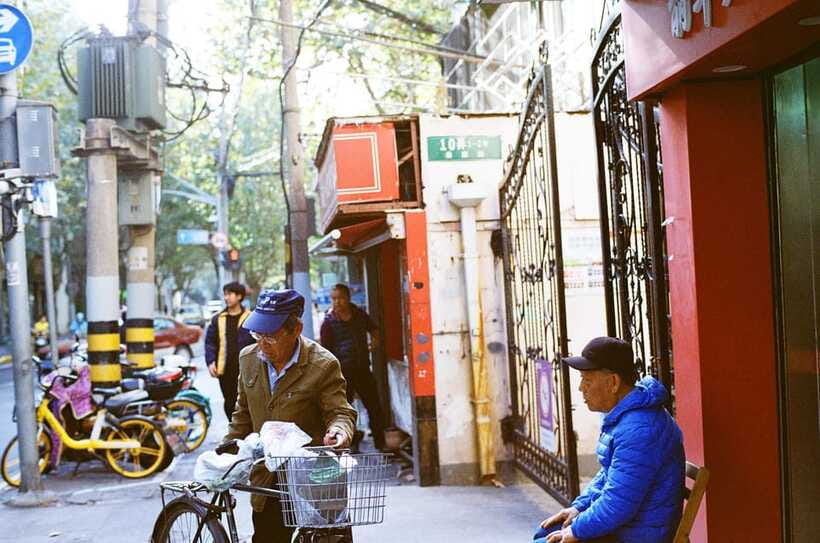
Next up are two big architectural beats: the Jinjiang Hotel and the Sinan Mansions. These stops help you see how the French Concession area stayed fashionable for over a century and then continued to attract investment as Shanghai modernized.
I like that the tour doesn’t treat these buildings as frozen. Instead, it places them in a timeline of development and renovation. You can see the difference between older structures and newer additions, and the guide helps you read what’s been preserved versus what’s been replaced.
The “value” here is simple: you get a guided way to understand what you’re looking at. Without a local perspective, you might just call them old buildings. With the tour, you start connecting them to the city’s changing identity—who lived here, who hosted events, and how status played out in space.
1920s neighborhood feel, plus boutiques and café culture
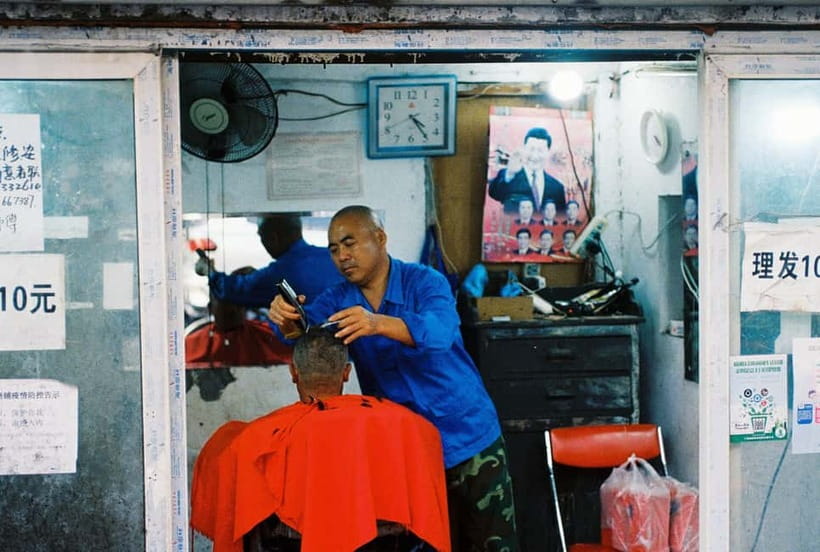
Along the route, you also get a strong sense of everyday life in the French Concession today. The streets are packed with boutiques, galleries, bars, and cafes, and the walk is structured so you experience that atmosphere rather than just passing through.
There’s an important reason this matters. The French Concession is famous for its exterior look—iron railings, refined avenues, older house fronts. But it’s also one of Shanghai’s places to actually spend time. Seeing the shops and small businesses helps you understand what keeps the district alive, not just what keeps it photographed.
If you’re the kind of traveler who likes to pause for tea or browsing, this is where you can pick up ideas for your own later wander. And based on feedback, Bill is happy to share suggestions for shopping and dining experiences that match what people enjoy.
Communist Delegation Office and the birthplace of the Chinese Communist Party
Then the tour takes a sharp, meaningful turn: you visit the Communist Delegation Office and the birthplace of the Chinese Communist Party.
This is the historical weight that can surprise people. The French Concession is often talked about like it’s only architecture and romance. Here, you see how Shanghai was also a political crossroads, shaped by movements and organizations that changed China’s future.
What makes this part work on a walking tour is the pacing. After you’ve seen luxury-era buildings and social spaces, the guide can show you why the story shifts. You’re not just collecting facts; you’re feeling how the city’s role changed over time.
It’s worth mentally preparing for this section. If you prefer history that’s strictly light, you might find it emotionally heavier than the café-and-boutique stretch. But if you want Shanghai with context, this is non-negotiable.
How the tour ends at Xintiandi (and why that’s smart)
The final stop is Xintiandi. Ending here isn’t just convenient—it’s a practical choice, because you finish in a place designed for spending time. There are plenty of shops, bars, and restaurants, so you can turn the last part of the day into your own plan immediately.
I also like that Xintiandi acts like a bridge between “tour mode” and “explore mode.” The tour has already given you the neighborhood story, so when you step into a lively commercial district, you can decide what you want next based on the mood you’re in.
If you’re traveling with limited time in the city, this end point helps you avoid the common problem: tours that dump you somewhere inconvenient. Here, you leave close to places to eat and keep wandering.
What it’s like with Bill as a guide
Bill’s presence is repeatedly described as a mix of professional and personable: lots of knowledge, strong storytelling, a good sense of humor, and the ability to take questions. People also mention he keeps an eye on the group so nobody gets left behind.
That matters, because a tour like this depends on timing and attention. The streets aren’t chaotic, but the French Concession can be easy to misread without landmarks. A guide who helps the group stay together keeps you from losing the flow of the story.
I’d also highlight that he’s not limited to history facts. He’s described as able to answer questions about the nation and the city, and to offer suggestions after the tour for things like shopping, tea, or dining that are memorable and unique.
Who should book this French Concession walk
This tour is a strong match if you want:
- A 2.5-hour structured walk with English guidance
- A clear route through named landmarks (not just “see old buildings”)
- A mix of architecture, neighborhood vibe, and major political history
- A guide who can answer questions and help you plan what to do next
You might skip it if:
- You’re sensitive to walking time (it’s not positioned as a short stop-and-sit tour)
- You need wheelchair access (the tour is not suitable for wheelchair users)
If you’re visiting Shanghai for the first time and want one neighborhood where you can understand the city’s layering, this is a good use of time.
Should you book? My honest take
Yes, I’d book it if you want the French Concession to make sense fast. You get a practical route, clear stops like the Former French Club, Jinjiang Hotel, Sinan Mansions, and the Communist Delegation Office, plus an ending in Xintiandi that sets you up for an easy post-tour meal.
It’s also a smart pick for value. $34 for 2.5 hours with a live English guide who can field questions is exactly the kind of tourism spend that saves time and turns “random walking” into something you remember.
One last thought: if you like architecture, street-level detail, and story-driven history, you’ll feel well looked after here—by a local guide who can explain why these buildings exist, and what they meant in Shanghai’s evolution.
FAQ
How long is the French Concession walking tour?
The tour lasts about 2.5 hours.
Where do I meet, and where does the tour end?
You meet in front of Okura Garden Hotel Shanghai (100 meters left of Exit 3 of South Shaanxi Road subway station). The tour ends in Xintiandi.
Is the tour offered in English?
Yes, the tour is conducted in English.
What are some of the key places visited?
The tour includes stops around French Concession sites such as Shanghai Culture Square Theatre, the Former French Club, Jinjiang Hotel, the Communist Delegation Office (including the birthplace of the Chinese Communist Party), Sinan Mansions, and it ends at Xintiandi.
Are there any rules about smoking?
Smoking is not allowed.
Is the tour wheelchair accessible?
No, it is not suitable for wheelchair users.
Can I book last minute or pay later?
Yes. Last minute booking is possible, and you can reserve now & pay later.
More Tours in Shanghai




More Tour Reviews in Shanghai

Deeper Into the French Concession
Just In: The Newest Shanghai Reviews



Former French Concession Walks, compared.
 ★ 5.0Eat Like a Local Through Shanghai’s French ConcessionFrom $75353 reviews
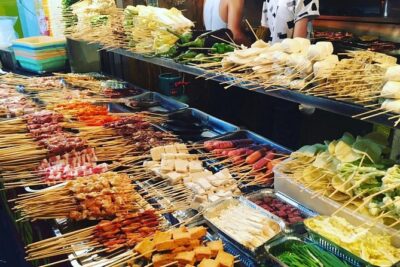 ★ 5.0Late Night Food Tour in the Shanghai’s French ConcessionFrom $89260 reviews
 ★ 5.0Shanghai Breakfast Walking Tour of Former French ConcessionFrom $77139 reviews
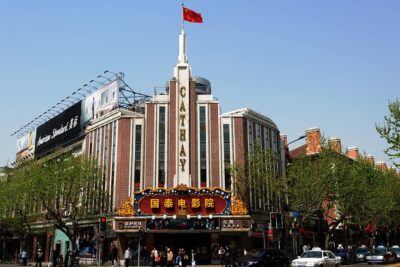 ★ 5.0Private Walking Tour in the Former French ConcessionFrom $9567 reviews
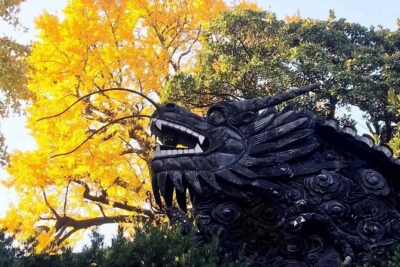 ★ 5.0Private Yu Garden, The Bund, French Concession, Pudong Half-Day TourFrom $12051 reviews
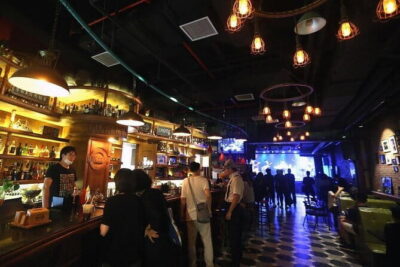 ★ 5.0Shanghai bar hopping tour in the former french concessionFrom $2943 reviews
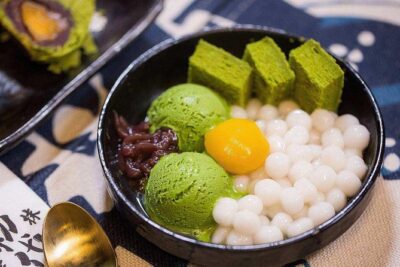 ★ 5.0Afternoon Tea and Dessert Tour on the Huaihai Road in ShanghaiFrom $8219 reviews
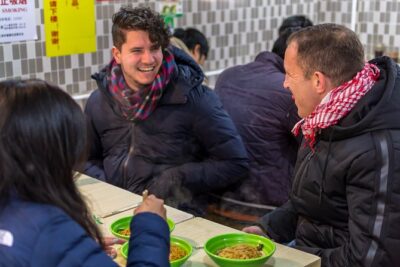 ★ 5.0Private Guided Breakfast Tour of Former French ConcessionFrom $30013 reviews
Browse the lists this tour appears in