
Reviewed · JEWISH SHANGHAI & RED HISTORY WALKS
Private 2-Hour Walking Tour of Shanghai’s Jewish Ghetto
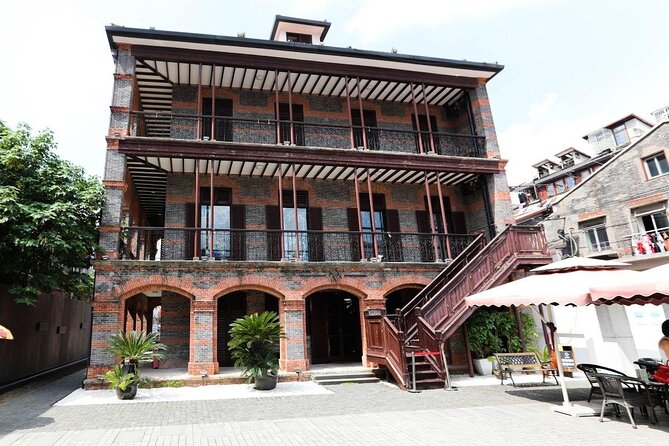
Shanghai hides a wartime Jewish neighborhood. This private 2-hour walking tour in Hongkou District mixes Jewish refugee history with on-the-ground street life, led by a local English-speaking guide who knows how to connect places to people. You’ll visit the Shanghai Jewish Refugees Museum at the Ohel Moishe Synagogue site, walk past key aid-and-memory landmarks, and end at Xiahai Temple, known in Jewish Ghetto lore as the fish man’s temple.
I especially like the way the tour anchors you in real locations: the museum built on the synagogue site gives context for why refugees gathered here, not just a wall of facts. I also like the human scale moments, including a stop linked to the American Jewish Joint Distribution Committee and a reflective pause at Huoshan Park and its memorial to Jewish immigrants. When the guide is strong—people in past tours have mentioned guides like Mason (Masin) and Annie as standout examples—the experience feels personal without turning it into a lecture.
One thing to consider: a good chunk of the walk includes non-Jewish elements, especially a visit to Xiahai Temple and a look at how local residents live in the surrounding neighborhood today. If your main goal is strictly Jewish institutions and sites, you might feel the balance leans broader than you expected—though the point is that this area was never just one community on paper.
In This Review
- Key things that make this tour worth your time
- Hongkou’s Jewish Ghetto story starts with the locations, not the label
- Meeting at Changyang Road and finding the right pace
- Ohel Moishe Synagogue site: what the museum does well (and what it can’t)
- Joint Distribution Committee and Huoshan Park: where aid becomes a story you can feel
- Walking the neighborhood between the big stops: daily life in the ghetto area
- Xiahai Temple and the fish man connection: the tour’s most debated stop
- Guide quality matters more than you might expect
- Price and value: what you’re really paying for at $131.28 per person
- Practical tips so your 2 hours feel longer
- Who should book this Jewish Ghetto walking tour
- Should you book this tour of Shanghai’s Jewish Ghetto?
- FAQ
- How long is the private walking tour?
- Where does the tour start and end?
- Is this tour private?
- What language is the guide?
- Are the museum and temple entrances included?
- Are food and drinks included?
- Is hotel pickup or drop-off included?
- What is the cancellation policy?
Key things that make this tour worth your time
- Ohel Moishe Synagogue site in Shanghai Jewish Refugees Museum, built right where refugees sought shelter
- Joint Distribution Committee context, so you understand how help actually worked on the ground
- Huoshan Park + memorial stop, where the story slows down for reflection
- Walking daily-life streets in the neighborhood, not only museum walls
- Xiahai Temple stop (fish man’s temple connection) to show how faith landmarks coexisted here
Hongkou’s Jewish Ghetto story starts with the locations, not the label
If you’re picturing a single tidy tourist zone, this tour corrects that fast. The Jewish refugee quarter was embedded in a much larger Hongkou city fabric, and that’s what you see while walking: streets, parks, aid organizations, and the everyday rhythm of local life. That location-first approach is exactly why a guide helps here more than in places where everything is already set up like a museum district.
You’re also dealing with a story that’s easy to oversimplify from afar. The tour’s mix—synagogue site museum, aid-linked stops, a park memorial, and the neighborhood—gives you a better sense of how refugees lived, survived, and depended on both local and international assistance. The best version of this tour doesn’t just tell you what happened. It helps you picture what it might have felt like to move through this area under pressure.
More of the city's layered history, up close

Meeting at Changyang Road and finding the right pace
You meet at Chang Yang Lu, Yangpu District (Changyang Road) and the tour ends back at the same meeting point. That matters because you’re not commuting across town for a few photos—you’re staying in the Hongkou area and learning how the sites relate to each other.
The tour runs about 2 hours, which is long enough for meaningful context but short enough that you’ll want to stay mentally switched on. I recommend you come with a loose question list, like: Who supported refugees here? What did the museum site represent? Why does a Buddhist temple show up in this story? With a private guide, your focus can shift a bit, but the time still goes fast.
Private also means the pace can match your group. Some guides have been praised for being attentive and prompt at the start, with clear guidance on where to meet and how to get your bearings when you have a subway nearby. If you’re the type who likes asking follow-ups, this format gives you room to do it without feeling like you’re slowing everyone down.
Ohel Moishe Synagogue site: what the museum does well (and what it can’t)
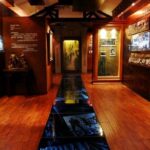
The tour begins with the Shanghai Jewish Refugees Museum, built on the site of the Ohel Moishe Synagogue. That’s the big anchor stop. The value here is the link between a physical sanctuary and the refugee story that brought people into this district during turbulent times.
What you get at the museum is not just a timeline; it’s a sense of how the space mattered. A synagogue is more than a building in a wartime context. It’s community, routine, protection, and identity when everything else is unstable. When the guide explains the synagogue significance, the exhibits often land differently than if you walked in cold and only read labels.
That said, this is one area where expectations can clash with reality. Some people have felt the museum part could be understood on your own and that the guide time there felt rushed. If you’re the type who wants lots of site-by-site walking time outside the museum, keep in mind that the museum is a core stop, not a quick photo stop.
My advice: read what you can at the museum, then use your guide for the connections—what makes this site matter compared with other refugee stories, how aid and survival fit into the same picture, and what details you should notice while you’re still there.
Joint Distribution Committee and Huoshan Park: where aid becomes a story you can feel
After the museum, you’ll move through the area with context from major aid and community support organizations, including the American Jewish Joint Distribution Committee. This is a key value-add stop because it shifts the story from tragedy alone into practical help: assistance doesn’t just appear. It’s organized, targeted, and sustained.
Next comes Huoshan Park and a moment of reflection at a memorial connected to Jewish immigrants. A park stop can sound like a breather, but it works here as a reset button. You’re not just collecting facts anymore; you’re giving your brain a place to absorb what you learned in the morning’s museum context.
If you’re sensitive to memorial sites, this stop is likely one of the most affecting moments of the tour. If you’re less into reflection and more into architecture or street history, you’ll still benefit, but you may want your guide to point out what to look for visually—names, symbols, and how memory is placed into a living neighborhood.
Walking the neighborhood between the big stops: daily life in the ghetto area
A standout element of this experience is that it doesn’t end at museum doors. You continue into a local neighborhood area where the focus shifts to how daily life looked and how the district functions now. You’ll see places like craft shops and fresh seafood stalls in the tour description, plus everyday streets and small businesses that help you understand the ghetto as part of a working city, not a sealed-off set.
This is where I think the “private guide” format shines. Even when the street scenes are familiar to locals, your guide can translate what you’re seeing into meaning: which kinds of places refugees relied on, how different communities coexisted in shared spaces, and why the old quarter layout still matters.
Some guests have loved this neighborhood segment because it turns Hongkou from a historical label into a lived-in place. Others have wished for more specific ghetto homes or additional Jewish sites within the 2-hour window. If you’re very site-hunting focused, ask your guide early what they prioritize if your group wants more Jewish architecture versus more street-level daily life.
See more of Shanghai step by step



Xiahai Temple and the fish man connection: the tour’s most debated stop
The final major stop is Xiahai Temple, a site described as being connected to the fish man’s temple story from the Jewish Ghetto era. The tour frames it as a Buddhist temple playing a role within that historical enclave.
Here’s the honest trade-off. For some people, this stop is fascinating because it shows how religion and community spaces overlapped in a place where Jewish refugees lived alongside other faiths and residents. For others, it feels like an interruption—especially if their goal is to stay focused on Jewish institutions only.
In a short 2-hour walk, every stop has to earn its place. If your group is drawn to the broader historical question—how different communities and faith landmarks interacted in the same area—this stop can add a lot. If you’re determined to stick to synagogues, Jewish organizations, and Jewish memorial sites, you may want to manage expectations before you start, or even ask your guide to spend extra time explaining the Jewish connection to the temple rather than broad Buddhist context.
Either way, Xiahai Temple is positioned as off the main tourist trail. That alone makes it feel different from the usual “big sights only” routine.
Guide quality matters more than you might expect
This tour lives or dies by the guide. In the feedback you can see a pattern: when the guide is strong on Jewish Shanghai history and can clearly explain how the sites connect, the experience is emotional and memorable. Names that have been mentioned in glowing feedback include Mason (Masin) and Annie, and others have been praised for very strong English like Zoe.
Some guides have gone beyond the standard script with very personal context. For example, one guide named Mason (Masin) has been described as sharing family connections tied to refugee housing and even taking small groups into a home to show rooms that relate to that past. Another guide, Annie, has been mentioned as facilitating an invitation into an elderly couple’s home so the group could hear the story through the lens of local memory and language support via the guide.
Not every tour will include something like a home visit, and it shouldn’t be treated as guaranteed. But it’s still a useful indicator of what “private” can mean here: not just fewer people in your group, but a guide who understands the difference between reading about a place and understanding how it sits in real lives.
If you prefer a strict museum-style tour with no detours, bring that preference to the guide upfront. If you prefer story and street texture, choose this tour format for exactly that reason.
Price and value: what you’re really paying for at $131.28 per person
At about $131.28 per person for a 2-hour private walking tour, the cost isn’t meant to be a budget historical stroll. You’re paying for an in-the-field guide, a focused route through multiple sites, and a chance to ask questions without a crowd pushing you along.
Is it worth it? Usually, yes—if you want the combination of museum context plus neighborhood walking plus a finishing stop that turns the corner into something unexpected like the temple. If you only want the museum, you could potentially do that independently, since museums are self-explanatory on their own. The private guide value is in the connections: how Ohel Moishe’s synagogue location ties to refugee shelter, how aid organizations fit into daily survival, and how the neighborhood layout supports the story.
One more value note: the tour supports group discounts and uses mobile tickets, and it’s reportedly often booked about 21 days in advance on average. That suggests it’s not a last-minute impulse item if you’re traveling in a busy season.
Practical tips so your 2 hours feel longer
This is a walking tour, and it runs only about two hours. So you should plan for comfort and focus. Wear shoes you’re happy to keep on your feet for the whole session. Bring a small bottle of water if you’re the type who gets dry easily; food and drinks aren’t included.
If your group includes anyone who wants more Jewish sites and less temple or neighborhood emphasis, say so early. A private guide can often adjust the framing even if the route is fixed, and it helps avoid disappointment later. If you’re okay with the broader cultural overlap angle, you’ll probably find the temple stop adds variety instead of feeling off-topic.
Who should book this Jewish Ghetto walking tour
This is a good fit if you want:
- A short, private walk that connects multiple historical points in Hongkou
- Museum context tied to a specific synagogue site, not just general Shanghai history
- Street-level understanding of how refugee-era spaces relate to how the area looks today
- A guide who can handle questions and keep the story human, not just chronological
You might think twice if you:
- Want only Jewish-only institutions and no temple context
- Plan to rush through exhibits and prefer hours at fewer sites
- Expect the tour to function like a museum-led audio guide, without needing conversation
Should you book this tour of Shanghai’s Jewish Ghetto?
I’d book it if your goal is understanding how the Jewish Refugees Museum connects to the wider Hongkou area, including aid organizations, a memorial moment, and everyday neighborhood life. The best version of this tour is the one where your guide keeps explaining the why behind each location, and where stops like Xiahai Temple don’t feel random but placed.
I wouldn’t book it blindly if you’re strictly temple-and-synagogue only. In this itinerary, the final stop at Xiahai Temple is part of the deal, along with neighborhood life. If that matches your curiosity, you’ll likely get a meaningful couple of hours. If it doesn’t, consider focusing on the museum and choosing a different type of Shanghai history tour.
FAQ
How long is the private walking tour?
It runs for about 2 hours.
Where does the tour start and end?
The meeting point is Changyang Road (Chang Yang Lu, Yangpu District), and the tour ends back at the same meeting point.
Is this tour private?
Yes. It’s a private tour/activity, so only your group participates.
What language is the guide?
You get a local English-speaking guide.
Are the museum and temple entrances included?
Yes. The Shanghai Jewish Refugees Museum admission is included, and Xiahai Temple admission is included. Other stops listed have free admission.
Are food and drinks included?
No. Food and drinks are not included.
Is hotel pickup or drop-off included?
No. Hotel pickup and drop-off are not included.
What is the cancellation policy?
You can cancel for a full refund up to 24 hours in advance of the experience start time. If you cancel less than 24 hours before, the amount paid won’t be refunded.
More Tours in Shanghai




More Tour Reviews in Shanghai

The City's Layered History
Just In: The Newest Shanghai Reviews



Jewish Shanghai & Red History Walks, compared.
 ★ 5.0Tour of Jewish Shanghai led by a Jewish History ExpertFrom $96106 reviews
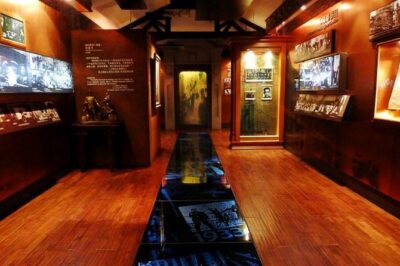 ★ 5.03-Hour Private Tour to Jewish Ghetto and Shanghai BundFrom $9069 reviews
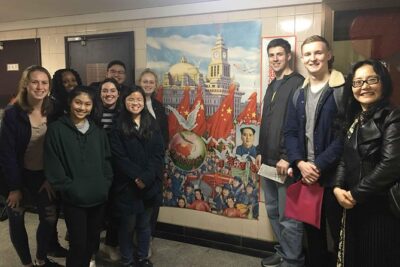 ★ 5.0Red Route Tour- Chinese Communist PartyFrom $8523 reviews
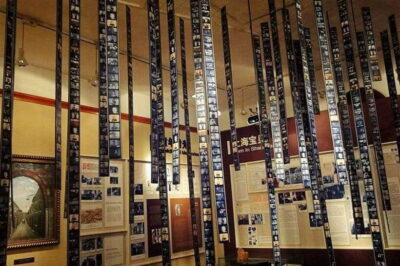 ★ 4.9Jewish Ghetto and Shanghai Bund Private TourFrom $11314 reviews
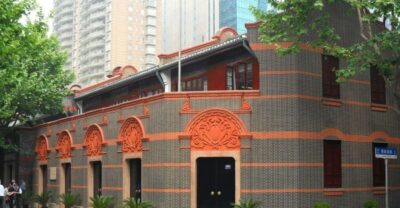 ★ 5.0Xintiandi, CCP Museum and French Concession TourFrom $609 reviews
 ★ 5.0Shanghai Propaganda and History Walking TourFrom $735 reviews
 ★ 5.0Half-Day Private Tour of Shanghai Jewish SitesFrom $964 reviews
 ★ 5.0Shanghai Hidden Histories Walking Tour: Suzhou Creek to The BundFrom $1204 reviews
Browse the lists this tour appears in