
Reviewed · WALKING TOURS
Shanghai Highlights Walking Tour With A Real Local
Shanghai has a story in every street corner.
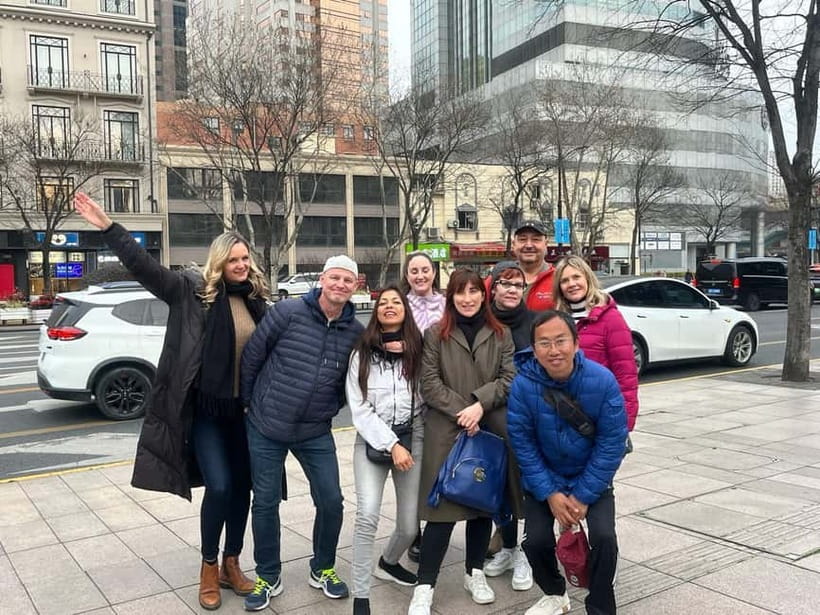
What makes this tour click is the way Bill, a lifelong Shanghainese, turns major sights into human moments, starting from East Nanjing Road and running through the Bund and Yuyuan. I love how the walk feels grounded in daily life, not just landmarks. And I also like that you get answers on both the big picture and the small stuff, with the kind of English that makes history easy to follow.
For me, the second best part is the route logic: you connect Shanghai’s modern power center to the older lanes and gardens without feeling lost. People’s Square and People’s Park give you a sense of how the city works today, then the Old Town brings you back in time. One possible drawback: it’s still a walking tour, so bring comfortable shoes and expect crowds in the busiest areas, plus the operator notes it isn’t suitable for wheelchair users or mobility impairments.
In This Review
- Key highlights worth planning around
- Why this local Shanghai walk feels different from a bus tour
- Meeting at East Nanjing Road: fast start, low stress
- People’s Square and People’s Park: modern Shanghai’s daily pulse
- Nanjing Road to the French Concession edge: where power meets old streets
- The Bund Promenade: Wall Street of Asia in real waterfront form
- Yuyuan Old Town and the 400-year garden: the city’s older rhythm
- Traditional food street and the fried dumpling tasting
- Why Bill’s storytelling makes the landmarks stick
- Price and value: why $34 often feels fair for this route
- What to bring for a comfortable walk (and how to avoid the usual headaches)
- Who should book this tour, and who might not love it
- Should you book? My practical take
- FAQ
- Where is the meeting point, and is there luggage storage?
- How long is the walking tour?
- Is the guide speaking English?
- What major stops will I visit?
- Are meals included, and do I get fried dumplings?
- Can I book last minute?
- Is it wheelchair accessible?
Key highlights worth planning around
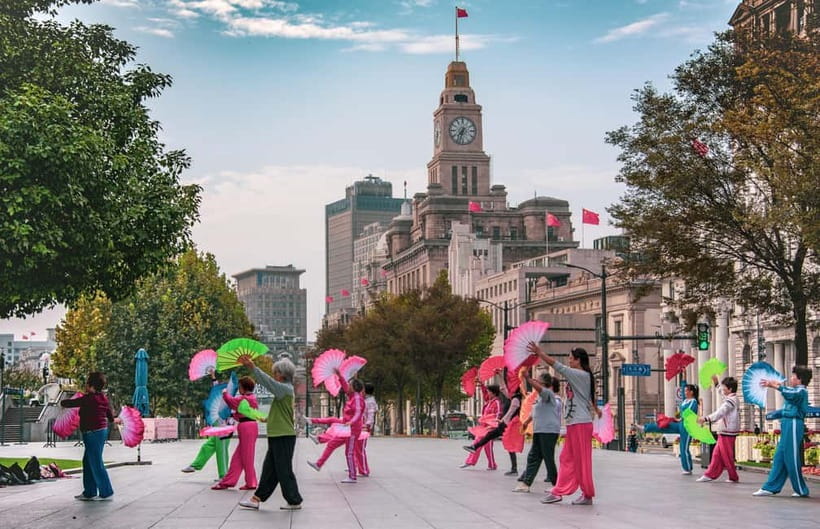
- Start near East Nanjing Road (Exit 1, Line 2/10) with easy meet-up and luggage storage right nearby
- Bund Promenade views plus stories tied to the 1930s idea of the Wall Street of Asia
- Yuyuan Old Town and the 400-year garden experience, with pavilions and older architecture
- People’s Square and People’s Park to understand modern Shanghai and weekend life like the marriage market
- Traditional food street and fried dumplings as a practical, delicious stop (not just sightseeing)
Why this local Shanghai walk feels different from a bus tour
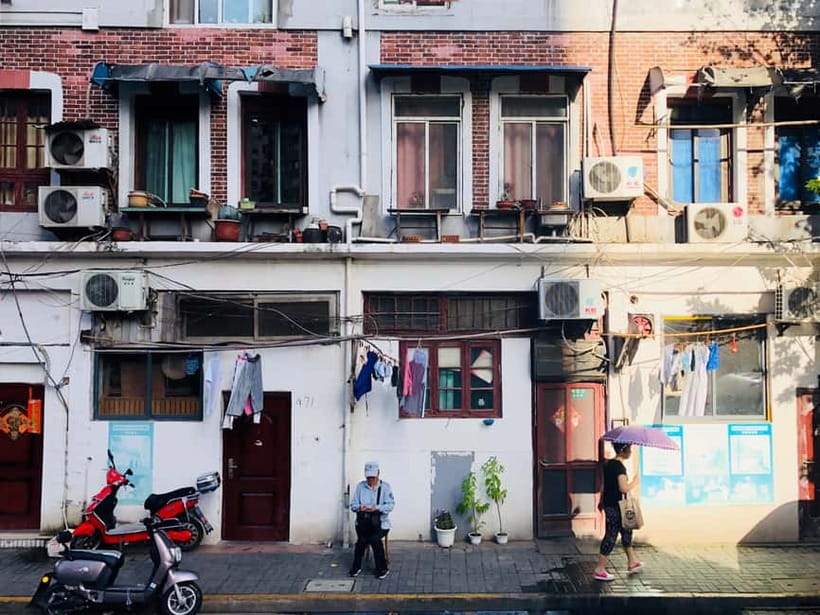
Shanghai can be a little overwhelming on your first visit. Tower lights, wide streets, nonstop motion. A bus gets you photos. This walking tour gets you context.
What I like is that you’re not just staring at buildings. You’re learning why they look the way they do, what changed, and how ordinary people experienced those changes. When Bill talks through the city’s evolution, the skyline stops being a postcard and starts acting like a timeline.
And because it’s led by a local, you get practical angles too—things like where locals actually go for food, tea, and shopping ideas that match what you’re seeing on the ground.
See more of Shanghai step by step


Meeting at East Nanjing Road: fast start, low stress
You meet at Exit 1 of East Nanjing Road Station (Line 2/10), right by the Tissot store, opposite the Swatch store. That location matters. East Nanjing Road is one of Shanghai’s easiest anchors, and it’s simple to reach by metro.
There’s also luggage storage available right by the meeting point, which is a lifesaver if you arrive early or travel light but not carry-light. If you’re doing this as an early orientation on day one, that setup helps you keep your plans moving.
The tour is 2.5 hours, with guided time broken into short segments. In plain terms: you’ll stop often enough to digest the story, but you won’t feel stuck at one single place.
People’s Square and People’s Park: modern Shanghai’s daily pulse
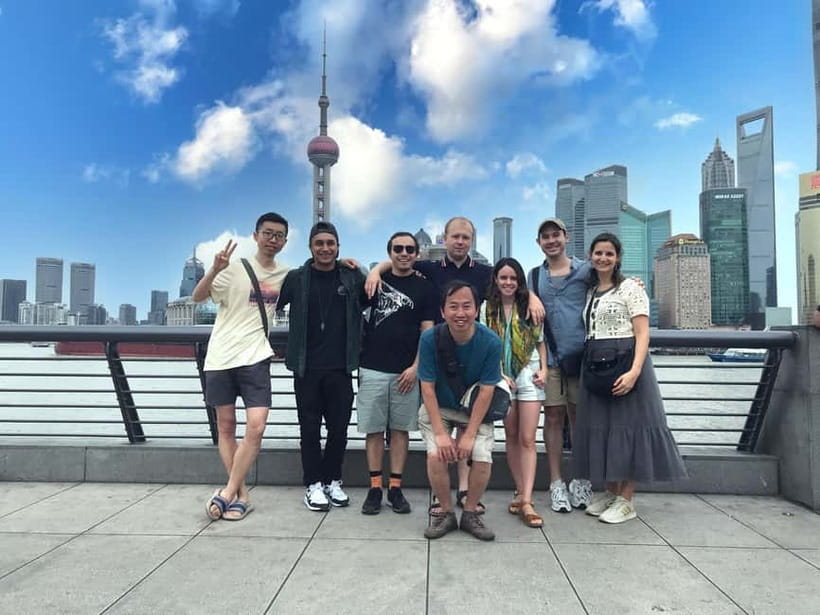
You start the city-side overview around People’s Square and its landmarks, including City Hall. This area helps you understand Shanghai’s “now” layer: the big civic space, the political and administrative presence, and the way the city concentrates activity.
Then you continue toward People’s Park. One detail worth knowing before you go: the park is known for a marriage market on weekends. Even if you’re not there on a weekend, the park gives you a feel for how Shanghai mixes public space with real life. This is the kind of stop where you watch people rather than just reading signs.
This section is valuable because it prevents a common first-timer mistake: treating Shanghai like it’s only the Bund and the skyline. People’s Square and Park remind you that the city’s present-day energy is happening indoors and outdoors, right alongside the monuments.
Nanjing Road to the French Concession edge: where power meets old streets
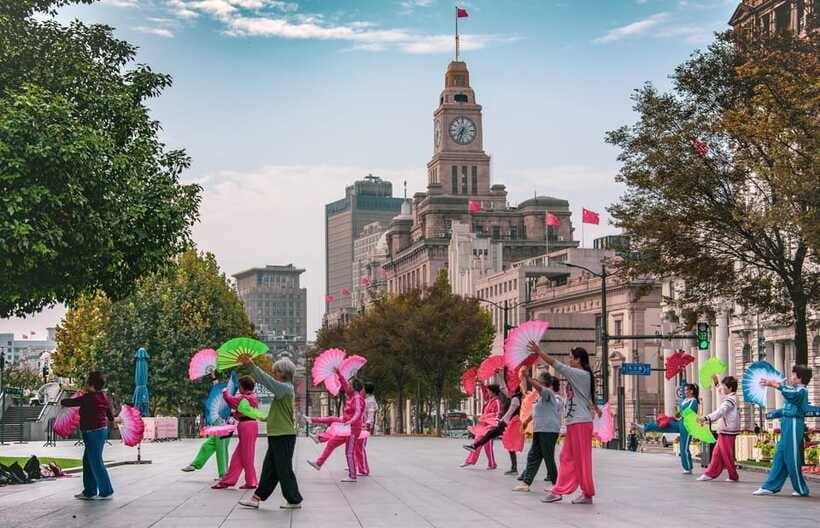
Next, you move through the corridor around Nanjing Road Pedestrian Street, a must-see in its own right. It’s busy, yes—but that’s part of why it’s useful. You’ll notice how “Shanghai modern” is built on dense activity.
From there, the tour threads through a set of points that help explain Shanghai’s layered identity:
- Shanghai Lane House areas, which hint at older residential life
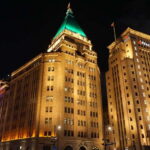
- Peace Hotel, a name that carries a lot of history simply from how it has lived in the city’s memory
- Customs House (Big Ben), a striking reference point for Shanghai’s era of international trade
- Former HSBC Building, another marker of the city’s financial evolution
The best part here isn’t just what you see. It’s how Bill frames it. He ties architecture to economics and daily movement—so you understand why these buildings are where they are and why they matter.
Practical note: this stretch can get crowded around major streets. If you want photos, go at the moments your guide cues for picture time, rather than trying to sprint ahead.
The Bund Promenade: Wall Street of Asia in real waterfront form
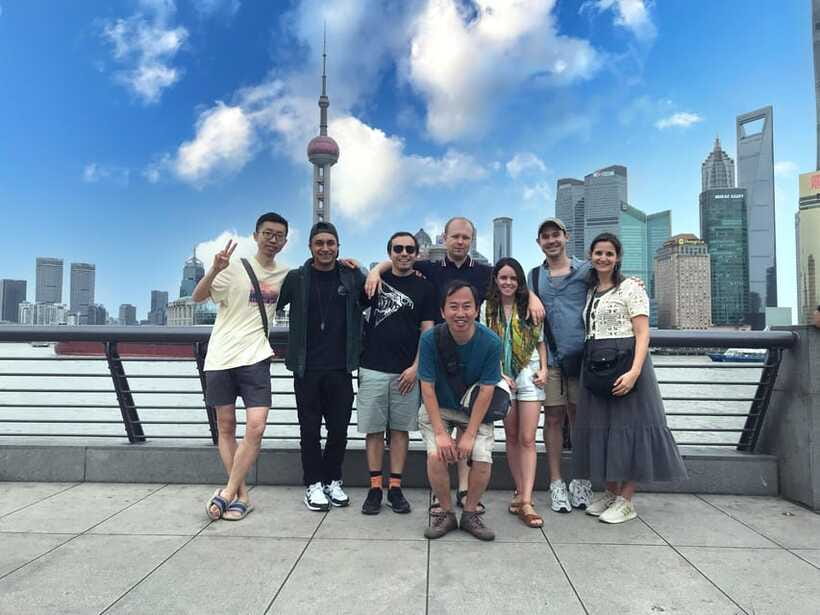
The Bund Promenade is the headline, and rightfully so. Waterfront views always do the job, especially on a clear day. But the tour makes it smarter than the usual stop.
You’ll hear the story of the Wall Street of Asia in the 1930s—the idea that Shanghai’s financial center once rivaled other global trading hubs. Bill’s explanations bring meaning to the lines of the old buildings along the water. You start to see the Bund as a “front desk” of trade and influence, not just a row of handsome facades.
As you walk, you’re also passing key landmarks tied to that era, including the way international-era buildings shaped the skyline you see from the water.
Photo tip that isn’t fluff: if you’re photographing across the river, position yourself when the group stops and let your guide’s timing work for you. In dense areas, trying to take the perfect shot alone usually turns into an awkward shuffle.





Yuyuan Old Town and the 400-year garden: the city’s older rhythm
After the modern-waterfront energy, the tour shifts gears into the Old Town area anchored by Yuyuan. This is where Shanghai slows down visually, even if it doesn’t slow down in crowds.
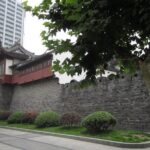
Yuyuan is described as a 400-year-old garden area, and you’ll get to see the pavilions and older architectural style up close. This stop is special because it shows a different Shanghai brain: the city’s traditional design thinking, where layout, sightlines, and small details build atmosphere.
Then you move into the Yuyuan Bazaar, which is a mix of historic-feeling streets and modern shopping pressure. The point isn’t to shop until you drop. The point is to understand what that old-town feel is made of: alleys, materials, and the pace of people moving through the space.
In practical terms, this is also a great time to cool off, catch your breath, and regroup before the final stretch.
Traditional food street and the fried dumpling tasting
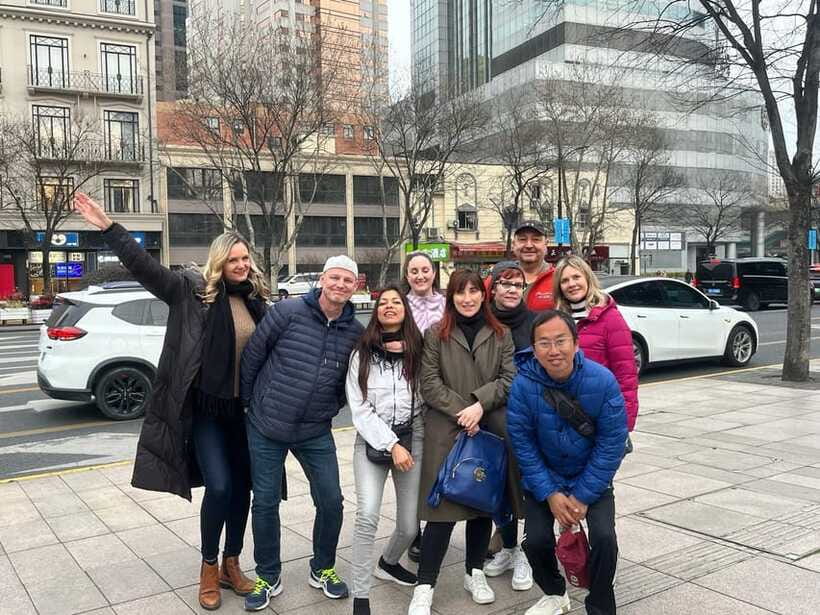
Food is part of why this tour works for first-timers. You’re not forced into a full meal you didn’t plan for, but you do get a stop tied to a local classic.
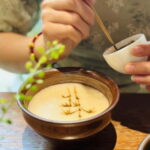
The experience includes time around a traditional food street, and you’ll have the chance to grab Shanghai fried dumplings. The tour specifically highlights tasting the best fried dumplings in town, so you’re not just wandering and guessing.
What I recommend: if dumplings are your thing, go with the tasting option and treat it like a guided sampling moment. It’s more enjoyable when you’re not stuck making decisions while everyone else is moving. If you’re not a dumpling person, you’ll still see how the area works and what people queue for.
Also bring a bit of patience here. Food streets can be tight. A walking tour means you’ll be sharing space with others who also came for the same cravings.
Why Bill’s storytelling makes the landmarks stick
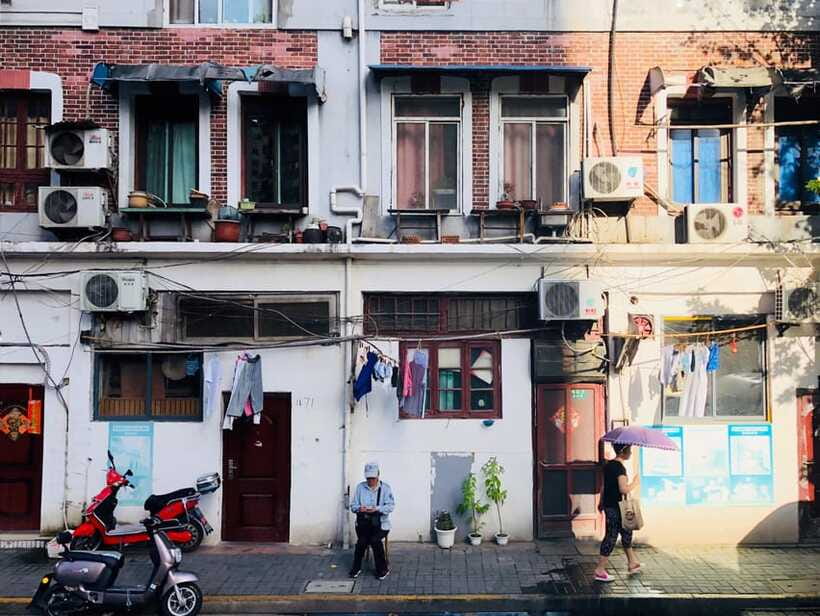
The guide makes the difference. Bill’s role isn’t just reciting facts. He connects places to people and to the shift Shanghai went through over decades.
From what you can expect in the walking rhythm, Bill is the kind of guide who:
- answers history questions about China and Shanghai
- adds small personal anecdotes that make the bigger story feel real
- keeps the pace workable for different group needs, including families
A couple of reviews in the tour’s orbit mention how Bill adjusts when children are in the group. That’s useful if you’re traveling with kids who get bored when a tour turns into nonstop talking.
One more thing I appreciate: he doesn’t only explain the past. He also offers practical suggestions—where to shop, where to find tea, and dining ideas that feel specific rather than generic.
This matters because Shanghai changes quickly. When you understand what used to be here and why it changed, your later exploring gets easier. You won’t just see another skyline view. You’ll recognize the storyline behind it.
Price and value: why $34 often feels fair for this route
At $34 per person for about 2.5 hours, you’re paying for guided structure. You’re also paying for something harder to do alone: learning the city in the right order.
This tour packs together several major areas that would otherwise require figuring out metro routes and walking time on your own:
- People’s Square and City Hall
- Nanjing Road
- a sweep past landmark buildings like Customs House (Big Ben) and the Former HSBC Building
- Bund Promenade
- Yuyuan Old Town plus the bazaar
- a food street stop with dumplings
You’re getting a local guide who can explain what you’re looking at and why it matters. Even without any big-ticket “entry fees” clearly listed, the value is in the time, the order, and the context.
If you’re the kind of traveler who likes to understand before you wander, this price tends to feel reasonable. If you’re only in Shanghai for one quick walk and you already know the city well, you might prefer something more tailored. But for most first-timers, it’s a strong deal.
What to bring for a comfortable walk (and how to avoid the usual headaches)
This is the simple stuff that makes the tour pleasant:
- Comfortable shoes (you’ll be on foot for 2.5 hours)
- Camera (the Bund area is built for photos)
- Sunscreen
- Water
Good news: parts of the route include shaded talking moments. That matters if you’re visiting in warmer months. Still, the city streets can be exposed, so don’t skip hydration.
If you have luggage, remember the storage near the meeting point. It’s right where you start, so you can move on without dragging bags around the center city.
Who should book this tour, and who might not love it
This tour is a great fit if you:
- are in Shanghai for the first time and want fast orientation
- like walking routes that connect history to modern life
- want local insight and Q&A, not just a lecture
- want a route that includes a food stop, especially for Shanghai fried dumplings
It may not be ideal if you:
- have mobility limits. The tour data includes notes that it’s not suitable for wheelchair users or mobility impairments
- get overwhelmed by crowds in pedestrian streets and popular waterfront areas
One more check: the listing also mentions wheelchair accessibility, but it simultaneously says it’s not suitable for wheelchair users. If this affects you, confirm with the provider before booking so you don’t end up stuck with an incompatible route.
Should you book? My practical take
Book this tour if you want a guided way to understand Shanghai without spending your trip stuck in a museum mode. The route connects the Bund’s international era, the Old Town’s traditional spaces, and People’s Square’s modern rhythm in one smooth 2.5-hour circuit.
Skip it only if walking is a big problem for you, or if you already know Shanghai so well that you’d rather spend the time on a more specialized theme.
If you’re undecided, this is the kind of first-day activity that helps the rest of your trip make sense.
FAQ
Where is the meeting point, and is there luggage storage?
You meet at Exit 1 of East Nanjing Road Metro Station (Line 2/10), right by the Tissot store, opposite the Swatch store. Luggage storage is available near the meeting point.
How long is the walking tour?
The tour lasts 2.5 hours.
Is the guide speaking English?
Yes. The tour includes a live English-speaking guide.
What major stops will I visit?
You’ll visit highlights including People’s Square, People’s Park, Nanjing Road Pedestrian Street, the Bund Promenade, the Old Town/Yuyuan Bazaar, and a traditional food street area.
Are meals included, and do I get fried dumplings?
Meals and drinks aren’t included unless specified. The experience includes time around a food street and mentions tasting Shanghai fried dumplings, so plan to budget for what you choose to eat if additional items aren’t covered.
Can I book last minute?
Yes. The tour notes that last-minute booking is possible, with bookings open until the start of the tour.
Is it wheelchair accessible?
The information includes a note that the tour is wheelchair accessible, but it also states it is not suitable for wheelchair users and people with mobility impairments. If you need accessibility accommodations, it’s best to confirm with the provider before booking.
Shanghai on Foot

More Tours in Shanghai
More Tour Reviews in Shanghai
Just In: The Newest Shanghai Reviews




Walking Tours, compared.
 ★ 5.0Shanghai Breakfast Walking Tour of Former French ConcessionFrom $77139 reviews
 ★ 5.0Private Shanghai Evening Street Food Walking and Cruise TourFrom $133123 reviews
 ★ 5.0Private Walking Tour in the Former French ConcessionFrom $9567 reviews
 ★ 5.0French Concession Walking Tour with Real LocalFrom $3440 reviews
 ★ 4.0Private 2-Hour Walking Tour of Shanghai’s Jewish GhettoFrom $13133 reviews
 ★ 5.0Suzhou Alleyway Walking Food TourFrom $5828 reviews
 ★ 4.9Yu Garden and City God Temple Walking TourFrom $6027 reviews
 ★ 4.8Private Walking Tour with a LocalFrom $3522 reviews
Browse the lists this tour appears in