
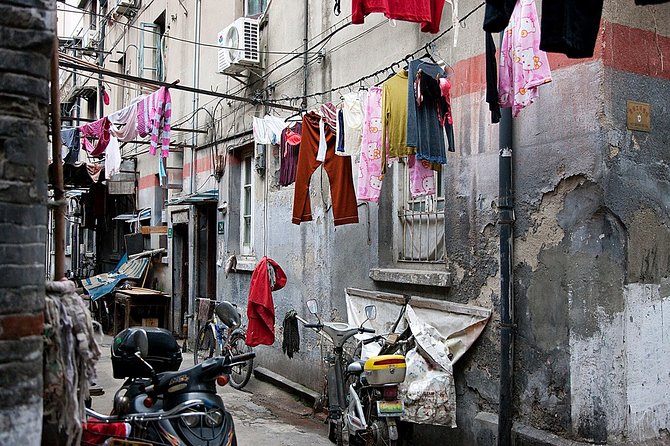
Reviewed · YU GARDEN & OLD TOWN
Private 2-Hour Shanghai Lanes and Alleyways Walking Tour
Forget the Bund. Walk the backstreets of Shanghai. This private nongtangs tour takes you through courtyard lanes and older districts you’d never stumble into on your own, mixing story time with real street-level life. I love the chance to see everyday local food market culture up close, and I also like how the guide keeps the pace personal for a small party.
One thing to keep in mind: if you’re expecting frequent, inside-the-house visits, don’t assume it. One review noted that the experience didn’t include an invitation into a private home, even though resident stories were part of the plan.
In This Review
- Key highlights that make this walk worth your time
- Why nongtangs are the real Shanghai shortcut
- Price and time: what you’re really paying for
- The 2-hour flow: how the walk stays focused
- Meeting at Xizang Road South: get your bearings fast
- What you’ll see walking the nongtangs lanes and alleyways
- Resident stories: what a home visit can and can’t mean
- Local markets and wet stalls: how the food stop fits the neighborhood story
- The guide makes or breaks it: why names like Mary, Zoe, and Mason matter
- Weather and clothing: the most unglamorous advice on this trip
- Who this tour suits best (and who might not love it)
- Should you book this Shanghai lanes and alleyways tour?
- FAQ
- How long is the Shanghai lanes and alleyways walking tour?
- Is this a private tour?
- What does the tour include?
- Is the food included?
- Where do we meet, and where does it end?
- Is there hotel pickup or drop-off?
- Do I need a ticket?
- Can I get a mobile ticket?
- Is free cancellation available?
- Are service animals allowed?
Key highlights that make this walk worth your time

- Nongtangs architecture you can actually see: courtyard alleyways where older building styles meet newer influences
- Resident stories in the lanes: you hear how long-time locals live and how the area has changed
- Local markets and wet-market shopping: small shops supplying the neighborhood, not tourist stalls
- A private guide experience: past guests praised guides like Mason, Mary, and Zoe for clarity and preparation
- Street-food tasting is optional: you can sample items like tea eggs at your own expense
- Easy transit access: the meeting point is near public transportation, and you end where you start
Why nongtangs are the real Shanghai shortcut
If you’ve already hit the big-name Shanghai sights, you’re probably ready for something less photographed and more lived-in. That’s what nongtangs deliver: those tight, courtyard-based back lanes that feel like a separate world inside the city.
The architecture is part of the magic. You’re looking at a blend—traditional courtyard layout alongside influences that came later—so the streets don’t feel frozen in time. They feel layered, like Shanghai itself. And because you’re walking rather than riding, you notice details you’d miss through a bus window: doorways, shared hallways, the rhythm of daily errands, and the way neighborhoods work at human scale.
The best part for me is the perspective shift. You stop viewing Shanghai as a skyline and start seeing it as a place where people squeeze light, air, and daily life into narrow corridors. That’s hard to get from museums and monuments.
Wander deeper into Yu Garden and the Old Town



Price and time: what you’re really paying for
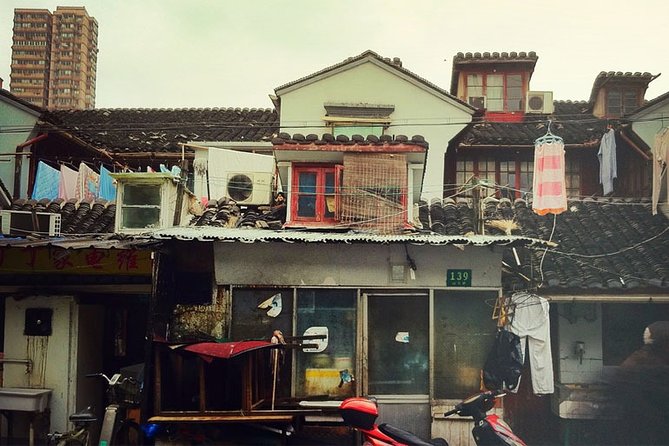
The tour costs $123.08 per person and runs about 2 hours. That price can look steep if you compare it to group tours, but the structure here is the point: it’s a private walking tour for your party.
Why that matters on foot: you can ask more questions, slow down when something feels interesting, and move at a pace that fits your comfort. In narrow alleys, that flexibility is real. One traveler noted rain soaked them and the focus shifted through different residential housing types. That kind of on-the-ground adjustment is easier when your guide is working with just you.
Also, this isn’t a ticketed attraction. You’re paying for local context—language help, history in plain terms, and guidance to places you’d likely feel awkward entering alone. The reviews back this up with repeated praise for how well guides explained daily life and kept people engaged.
The 2-hour flow: how the walk stays focused
This tour is built to feel like a guided “neighborhood walk,” not a checklist. You’ll start near Xizang Road (S), Xi Zang Nan Lu, Huangpu District, and you’ll end back at the same meeting point. Expect to be outside the whole time.
The timing also matters. Two hours is long enough to feel the change from busy streets to quieter lanes, but short enough that you can actually focus on what you’re seeing instead of getting exhausted. You won’t be bouncing between far-flung landmarks. You’re moving within older districts where the atmosphere stays consistent.
If you like walking tours that have a clear theme—here, Shanghai’s courtyard backstreets and daily life—this format makes sense. If you’re hoping for lots of big-photo monuments, you might find it more subtle than you expected.
Meeting at Xizang Road South: get your bearings fast
Meeting point location: Xizang Road (S) on Xi Zang Nan Lu, in Huangpu District. The tour ends back at the meeting spot, so plan to return to that area for any post-walk plans.
Because it’s a street-level tour, you’ll want to arrive a few minutes early, especially if you’re using navigation or your phone struggles with connectivity. One review mentioned it was difficult to confirm details because communication apps like Gmail can be blocked in China. Even if your confirmation process goes smoothly, I’d still recommend double-checking key details ahead of time, writing them down, and keeping screenshots on your phone.
And practical tip: choose shoes that handle wet pavement and tight spaces. Nongtangs can be close and uneven, and your route may include small local lanes where you’ll want stable footing.
What you’ll see walking the nongtangs lanes and alleyways
The core of the tour is the 2-hour walk through nongtangs—historic courtyard alleyways and back passages that shape daily neighborhood life.
As you walk, your guide explains how these lanes are designed. You’ll see the courtyard concept in action and understand why the layout matters: shared circulation, a sense of enclosure, and an everyday flow that doesn’t rely on wide streets.
One of the standout themes is how the nontangs/nongtangs reflect two eras at once. The older street fabric stays, but the surrounding experience of the city keeps changing. That mix can feel surprising in the best way. You might expect old architecture to look uniform, but here you often see modern influences layered into traditional forms.
Another real value is simply getting access—access to streets you’d probably walk past. One reviewer said it was interesting to go into alleyways they wouldn’t have dared to venture into on their own. That’s exactly the service you’re paying for.
See more of Shanghai step by step






Resident stories: what a home visit can and can’t mean
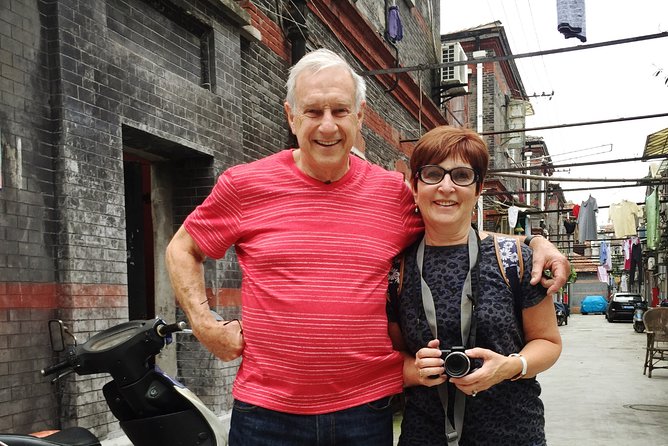
A big promise of this tour is meeting long-time local residents who share stories and invite you into their daily world. The emotional tone is usually human and grounded: how people live, how the neighborhood changed, and what daily routines look like in an older Shanghai pocket.
Guides are the bridge here. In the reviews, several names came up, including Mary, Zoe, and Mason, with guests praising preparation and clear explanations. A good guide doesn’t just recite facts; they help you interpret what you’re seeing and remind you that you’re walking through someone’s lived environment, not a staged set.
Now the caution. One review specifically called out that they were never invited into a private house, even though the experience description implied access. So treat “home visit” as resident storytelling and possibly limited access, not a guarantee that you’ll be sitting inside someone’s home. If your main goal is meeting residents but you’re fine with stories from the lane itself, you’ll likely feel satisfied.
And respect matters. You’ll be a visitor in someone’s neighborhood. Keep your voice down, follow the guide’s cues, and avoid crowding doorways or stopping in ways that block local movement.
Local markets and wet stalls: how the food stop fits the neighborhood story
After the lane walking, you shift to local food markets and small shops—places owned by neighborhood residents that supply the area with produce and everyday goods.
This part is valuable because it connects architecture to routine. A lane isn’t just a design. It’s the path to the store, the tea stall, the butcher, the family-run kitchen supply. Seeing the market ecosystem helps you understand how nongtang life stays practical even as the city changes.
Street-food sampling is part of the plan, but it’s own expense. Items like tea eggs are specifically mentioned—hard-boiled eggs cooked with tea and a marinade sauce. Even if you don’t go full snack mode, watching what locals pick up gives you a fast read on the neighborhood’s tastes and habits.
A smart approach: try one or two items rather than turning it into a food marathon. Two hours is short, and you’ll want energy left for the last stretch of lanes.
The guide makes or breaks it: why names like Mary, Zoe, and Mason matter
In a tour like this, the guide isn’t just a translator. They’re your filter for what’s important, what’s safe to ask, and what you should notice.
From the feedback you have here, guides such as Mary, Zoe, and Mason are repeatedly described as prepared and friendly, with explanations that kept people engaged. That’s a good sign for you because nongtangs can be confusing if you’re just walking through with no context. The right guide turns it into a guided story rather than a series of turns.
If you can, pay attention to how your guide handles pacing and questions. Good guides don’t just speak; they stop often enough for you to absorb and ask. That’s how you end the tour feeling you truly learned the neighborhood.
Weather and clothing: the most unglamorous advice on this trip
One review mentioned steady rain and how it affected the experience: they got soaked and cold. That’s the reality of walking in Shanghai lanes—cover is limited and conditions can change fast.
So do what you’d do in any wet-city walking tour: bring a rain layer you can move in. Waterproof shoes help. A small umbrella is useful, but in narrow alleys and crowded lanes you might find it annoying—something hands-free like a compact rain jacket usually works better.
Also, you’ll likely be outside the whole time, so check the weather before you go and plan accordingly. You want to enjoy the lanes, not shiver through them.
Who this tour suits best (and who might not love it)
This is a strong pick if:
- you’ve already visited major Shanghai sights like the Bund, City God Temple, and Yuyuan Garden
- you want a more local, everyday view rather than landmark photos
- you like walking tours that teach you how people live, not just what buildings are called
- you enjoy street food and are okay paying for tastings yourself
You might want to skip or rethink if:
- you’re primarily shopping for famous sights and big monuments
- you expect guaranteed, frequent inside-home access
- you hate rain and don’t want to bring proper walking-weather gear
If you like neighborhood-level travel—architecture you can reach, stories you can ask about, and markets you can smell—you’ll probably feel right at home here.
Should you book this Shanghai lanes and alleyways tour?
Yes, if you want an authentic Shanghai neighborhood experience in a short time and you’re tired of only doing the obvious sites. The value is strongest when you treat it as a guided walk for understanding daily life: nongtang architecture, resident stories, and market culture.
Book it with clear expectations: this is a walking tour focused on lanes and residential districts, with street food as an optional add-on. Bring rain protection, wear good shoes, and plan to meet at Xizang Road (S) rather than counting on hotel pickup.
If you want a local view you can walk through—one that feels more like Shanghai than a photo route—this private 2-hour experience is a solid choice.
FAQ
How long is the Shanghai lanes and alleyways walking tour?
The tour lasts about 2 hours.
Is this a private tour?
Yes. It’s a private tour/activity with only your group participating.
What does the tour include?
It includes a private walking tour and a local English-speaking guide.
Is the food included?
No. Food and drinks are not included. You can sample street food at your own expense.
Where do we meet, and where does it end?
You start at Xizang Road (S), Xi Zang Nan Lu, Huangpu District, Shanghai, and the tour ends back at the meeting point.
Is there hotel pickup or drop-off?
No hotel pickup and drop-off are included.
Do I need a ticket?
No admission ticket is required.
Can I get a mobile ticket?
Yes, the tour uses a mobile ticket.
Is free cancellation available?
Yes, free cancellation is available up to 24 hours in advance for a full refund.
Are service animals allowed?
Yes, service animals are allowed.
More Tours in Shanghai






More Tour Reviews in Shanghai

More of Yu Garden & the Old Town



Just In: The Newest Shanghai Reviews












Yu Garden & Old Town, compared.
 ★ 4.0Best of Shanghai Day Tour, including Jade Buddha Temple & Bund & Yuyuan GardenFrom $79338 reviews
 ★ 5.0Half-Day Bike Tour of Shanghai Old Town with Food TastingFrom $100306 reviews
 ★ 4.6Yu Garden Admission TicketFrom $16260 reviews
 ★ 4.7Yu Garden, Old Street, Bund & Zhujiajiao Water Town Bus TourFrom $60244 reviews
 ★ 5.0Shanghai Day Tour to Zhujiajiao Water Town, Yu Garden, Bazaar, BundFrom $229162 reviews
 ★ 5.0Private Yu Garden, The Bund, French Concession, Pudong Half-Day TourFrom $12051 reviews
 ★ 3.7Yu Garden Ticket+Lantern Festival Entry comboFrom $949 reviews
 ★ 4.93-Hour Old Shanghai City TourFrom $7545 reviews
Browse the lists this tour appears in