
Reviewed · FORMER FRENCH CONCESSION WALKS
Shanghai French Concession Walking Tour-Tip Based
Streets in Shanghai that feel like Paris.
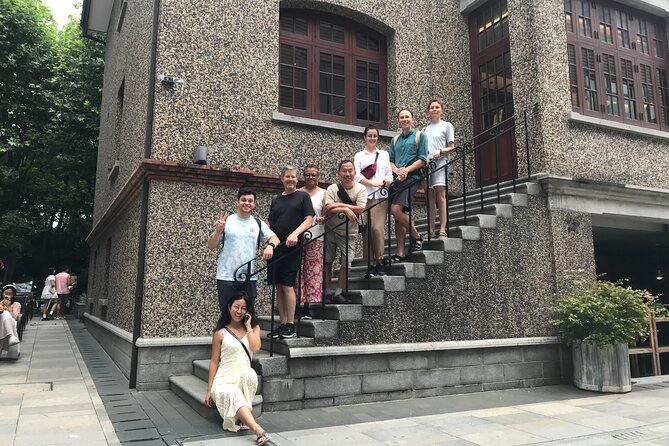
This French Concession walking tour is a 2.5-hour, tip-based stroll through old-world lanes, preserved buildings, and big historical moments—guided by a lifelong Shanghainese who tells you the stories behind the facades, not just the dates.
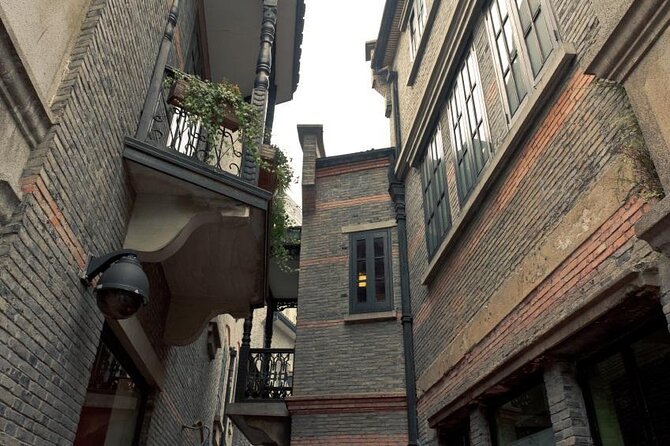
I really like two things here. First, the walk threads through areas that still carry that “Paris of the East” mood: tree-lined avenues, wrought-iron details, and the kind of old architecture you don’t get from quick photo stops. Second, the guide—Bill—brings it to life with personal anecdotes and humor, and the pace includes sit-down breaks so it’s not just nonstop marching.
One thing to consider: because it’s tip-based, the $3.59 you pay at booking is only to reserve your spot. You’ll be expected to pay the guide at the end, and the recommended range is 150–300 yuan (about 20–40 USD/EUR depending on satisfaction). If that’s not your style, look for a fixed-price tour instead.
In This Review
- Key things to know before you go
- Shanghai French Concession: Why the Area Still Feels French
- Getting Started at Okura Garden Hotel (and Staying Comfortable)
- Stop 1: Okura Garden Hotel Shanghai and the Former French Club
- Stop 2: Jinjiang Hotel—Modern Shanghai’s Big Announcement Moment
- Stop 3: Culture Square and the Former French Racecourse
- Stop 4: Huaihaifang Lanehouse Compound—Shanghai Behind the Gates
- Stop 5: Sinan Mansions—Art Deco Blocks Turned Into Trend Venues
- Stop 6: Xintiandi—Remodeled Lanes, Modern Cafes, and Easy Ending
- Price and Tips: What You’re Really Paying For
- Pace, Group Size, and the Walk-Day Reality
- Who This Tour Suits Best
- Should You Book This French Concession Walking Tour?
- FAQ
- What does the $3.59 booking price include?
- Is the tour really tip-based?
- What tip does the tour recommend?
- How long is the walking tour?
- Where do I start and where do I end?
- Are entrance tickets included for the stops?
- What’s the cancellation situation if weather is bad?
Key things to know before you go
- Tip-based format with a recommended 150–300 yuan per person
- Bill’s English storytelling from a native Shanghai perspective
- A practical 2.5-hour route that includes breaks to sit
- Six major stops tied to French-era Shanghai and later history
- Mobile ticket + English guide + group size capped at 100
- Finish in Xintiandi near the South Huangpi Road Subway station
Shanghai French Concession: Why the Area Still Feels French
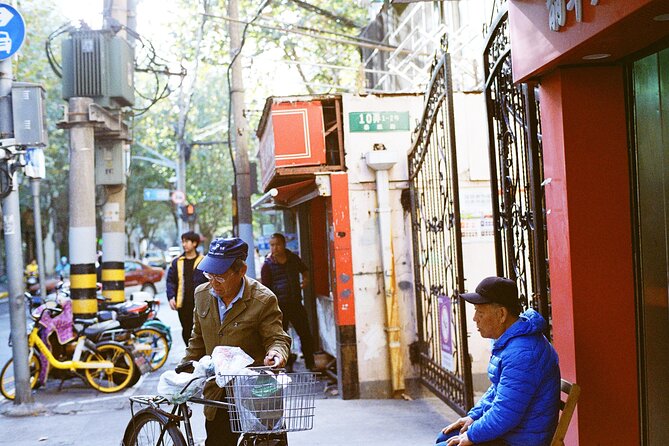
The French Concession was the part of Shanghai the French government administered from 1849 to 1943. That long stretch matters, because you can still feel the old planning and design choices today—wide, orderly streets, the classic ironwork look, and lots of surviving historic buildings.
What makes this tour more than just scenery is that the stops aren’t random. They connect the French-era identity with what Shanghai became after—new power centers, new uses for old buildings, and the way everyday neighborhoods exist right alongside “heritage” streets. You’re walking through layers, not a single frozen time period.
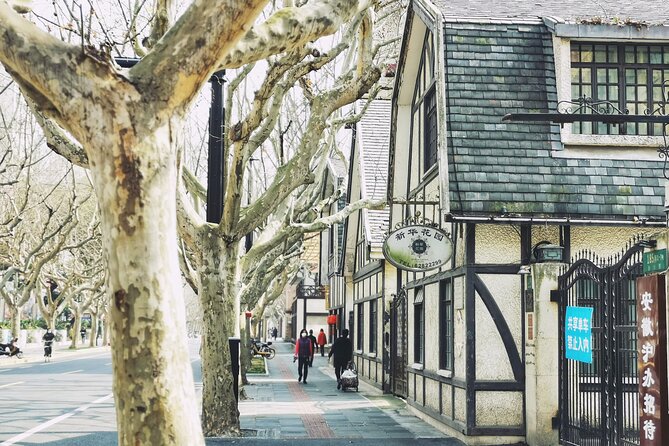
Also, the “Paris of the East” vibe isn’t just marketing. When you’re on tree-lined boulevards and around preserved compounds, the physical details do the work. It’s an easy place to get your bearings fast.
More plane-tree lanes in the French Concession



Getting Started at Okura Garden Hotel (and Staying Comfortable)
You begin at Okura Garden Hotel Shanghai, on 58 Mao Ming Nan Lu. The tour ends in Xintiandi at 123 Madang Road, and you’ll be right by South Huangpi Road Subway station, which makes it simple to keep going after the walk.
A few practical notes that affect your comfort:
- The tour runs about 2 hours 30 minutes (approx.), so it’s long enough to feel like a real orientation but not an all-day commitment.
- There’s a maximum of 100 travelers, so you’re not doing this in a huge crowd mass.
- Most of the stops are marked as free admission at the listed sites, which helps you avoid surprise costs.
I also like that the reviews point to a pace with breaks to sit down. That’s a big deal in a walking tour. You don’t want to feel like you’re doing homework on your feet.
Stop 1: Okura Garden Hotel Shanghai and the Former French Club
The tour starts with the site of the former French Club at Okura Garden Hotel Shanghai. Even if the surrounding building looks much more modern than a 19th-century club, the location itself signals what this area used to be like: social life, community spaces, and the kind of institutions that shaped day-to-day culture in the Concession era.
Why this stop matters: it helps you frame what you’re seeing later. If you understand that this wasn’t only about grand buildings—it was about clubs, routines, and connections—you’ll read the rest of the neighborhood differently.
What to look for during this part: the atmosphere. Notice how “club-land” feels more formal than typical street life—then contrast it with the more lived-in places that come later.
Stop 2: Jinjiang Hotel—Modern Shanghai’s Big Announcement Moment
Next up is Jinjiang Hotel, described as the oldest “modern” hotel in China. This is where the story turns from French-era architecture into modern Shanghai’s global role.
The standout detail here is that this is tied to the Sino-US joint declaration on normalizing relations. I like how this connects the city’s history to international headlines without turning it into a lecture. Even if you don’t know the full background, standing at a place with that kind of significance makes the past feel concrete.
Practical tip: bring your phone and use the walk time to take photos of the hotel frontage and nearby streets. The architecture mix—old influence plus later development—is part of what you came for.
Stop 3: Culture Square and the Former French Racecourse
You’ll then head to 文化广场 (Culture Square), visiting the area of the former French Racecourse.
A racecourse might sound like a “random landmark,” but in a French Concession setting it signals leisure culture and the kinds of gatherings foreigners and locals had in earlier decades. This stop gives you a different angle on Shanghai’s evolution: not just politics and buildings, but recreation and social rhythm.
What I’d do here: listen closely to how the guide explains what racecourses meant in the city structure. It helps you understand why later “public squares” exist where they do—these areas don’t get named and built without reasons.
See more of Shanghai step by step



Stop 4: Huaihaifang Lanehouse Compound—Shanghai Behind the Gates
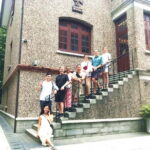
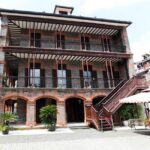
At Huaihaifang, the tour shifts into something more intimate: a local lanehouse compound.
Lanehouses are one of the real Shanghai stories people miss when they only chase postcard streets. They show how neighborhoods worked—shared walls, inward layouts, community patterns, and the everyday life side of the city.
Why it’s valuable on this tour: you get contrast. You’ve seen French-tinged planning. Now you’re seeing how Shanghai lived in its lanes and compounds. The guide’s native-insider approach is especially useful here because these places carry social meaning, not just architectural value.
Look for the entrances and the way the compound changes what the street feels like. That “step inside” effect is the point.
Stop 5: Sinan Mansions—Art Deco Blocks Turned Into Trend Venues
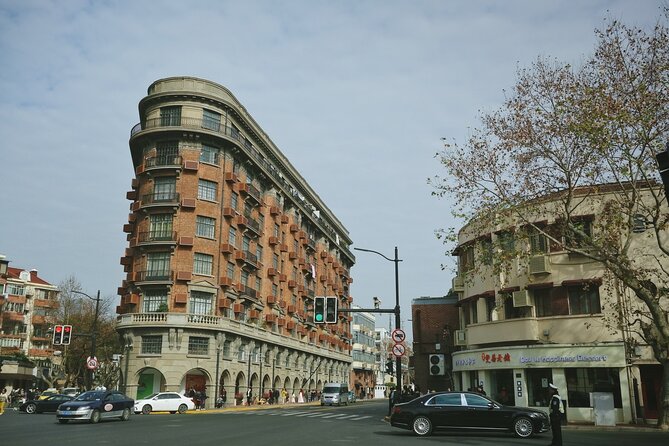
Sinan Mansions is next, and it’s described as a fashionable quarter made from 51 art-deco style residential blocks, remodeled into a compound of contemporary venues.
This stop is where “heritage” starts interacting with today’s lifestyle. You’ll see how older structures can be repurposed—without erasing the original character completely. That’s a tricky balance cities face, and Sinan Mansions is a clear example of it.
If you’re a photo person, this is a strong stop. Art deco details and the layout of the compound give you angles you can’t get just walking past a facade on a regular street.
Also, keep an eye on how the space feels: courtyards, walkways, and the way people move through the complex tells you the remodeling philosophy. It’s not only about looks—it’s about use.
Stop 6: Xintiandi—Remodeled Lanes, Modern Cafes, and Easy Ending
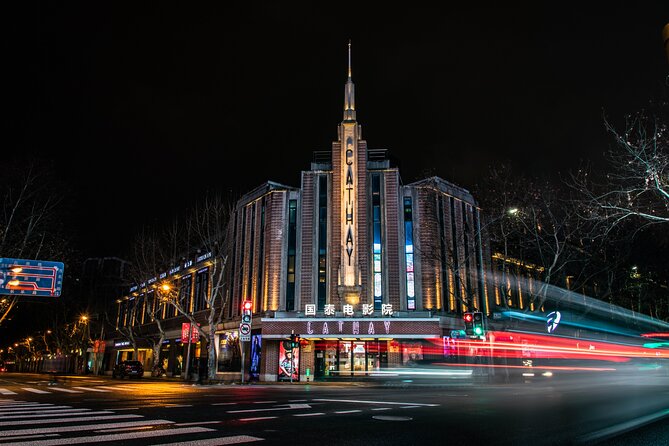
The tour ends in Xintiandi, described as a neighborhood of cafes, souvenir stores, galleries, and streets remodeled from a dilapidated old lane house area.
This is a smart ending point because it’s functional. You finish near transit, and you can turn the last part of your afternoon into whatever you feel like—snacks, a gallery browse, or just wandering. The area is designed for visitors, but it’s still built on real historic lanes, so you’re not leaving Shanghai entirely behind when the tour ends.
If you want to keep the tour spirit going after you finish: walk a little slowly and compare what you saw earlier (French-era signals, lanehouse life) with what Xintiandi offers now (shops and galleries). The contrast is part of the lesson.
Price and Tips: What You’re Really Paying For
At $3.59 per person, this looks like a steal—until you understand the format. This tour is tip-based, meaning the amount you paid at booking is primarily to reserve your spot. At the end, you give the guide the amount you think is appropriate.
The recommended tips are 150–300 yuan per person (about 20–40 USD/EUR depending on satisfaction). That’s the real cost you should budget for if you want the “full experience.”
Is it good value? In my view, yes—especially because:
- You get a professional English-speaking guide (Bill) instead of a generic script.
- You cover six meaningful stops tied to the French Concession’s story and Shanghai’s later shifts.
- The guide’s personality shows up in the reviews: Bill is described as funny, engaging, and patient, with personal anecdotes—and breaks to sit down.
So the math is simple: treat the $3.59 as a reservation fee. Plan your total budget around the tip range if you expect a lot from the guide.
Pace, Group Size, and the Walk-Day Reality
This is a walking tour, and it lasts about 2.5 hours. That means you should plan your day with a bit of breathing room—don’t schedule a major museum right before unless you’re sure you’ll have the energy.
What helps:
- Stops are structured, so you get frequent points of focus.
- Reviews highlight breaks to sit, so it doesn’t feel like a punishment.
- The tour includes near public transportation, which makes it easier to adjust if you arrive a little late or want to extend your day afterward.
Group size is capped at 100 travelers, which is plenty big for a guided walk, but it’s not “hundreds and chaos.” You’ll still have a guide who can speak in a way that keeps the group together.
Who This Tour Suits Best
This tour fits best if you:
- Want a first-time Shanghai orientation that’s more human and story-driven than a checklist.
- Like seeing how historic neighborhoods evolved rather than only photographing landmarks.
- Prefer a guide with local roots, which is part of the pitch here—Bill has lived in Shanghai through both hard and good times.
- Are comfortable with a tip-based model and want to reward a guide directly.
It’s also a good match for people who enjoy walking but still appreciate structure—six stops, each with a specific angle.
If you’re only chasing famous sights and don’t care about neighborhood context, you might find it less direct. But if you want to understand what you’re walking through, this one clicks.
Should You Book This French Concession Walking Tour?
If you’re the type who likes history explained in plain language and you’re okay budgeting for a 150–300 yuan tip, I’d book it. You get a curated route through the French Concession’s key spaces—club-life, diplomacy-connected modern history, leisure sites, lanehouse life, and today’s Xintiandi transformation—plus an English-speaking guide named Bill who’s been praised for humor, patience, and personal storytelling.
Skip it only if tip-based tours make you uncomfortable or you need a fully fixed-price experience with no end-of-tour payment expectations.
FAQ
What does the $3.59 booking price include?
The amount you pay at booking is used to reserve your spots. The guide is paid separately at the end of the tour.
Is the tour really tip-based?
Yes. It’s tip-based, and each person gives the guide the amount they consider appropriate at the end.
What tip does the tour recommend?
The recommended tip is 150–300 yuan per person (about 20–40 USD/EUR, depending on satisfaction).
How long is the walking tour?
It runs about 2 hours 30 minutes.
Where do I start and where do I end?
You start at Okura Garden Hotel Shanghai (58 Mao Ming Nan Lu) and end in Xintiandi (123 Madang Road). It’s near the South Huangpi Road Subway station.
Are entrance tickets included for the stops?
The stops listed are marked as free admission tickets, so you typically won’t pay separate admission fees for those specific sites.
What’s the cancellation situation if weather is bad?
The experience requires good weather. If it’s canceled due to poor weather, you’ll be offered a different date or a full refund. You can also cancel for a full refund up to 24 hours in advance.
More Tours in Shanghai





More Tour Reviews in Shanghai

Deeper Into the French Concession

Just In: The Newest Shanghai Reviews


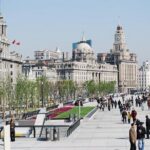



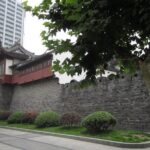


Former French Concession Walks, compared.
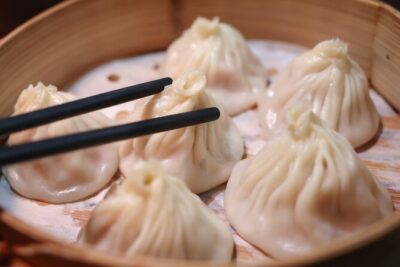 ★ 5.0Eat Like a Local Through Shanghai’s French ConcessionFrom $75353 reviews
 ★ 5.0Late Night Food Tour in the Shanghai’s French ConcessionFrom $89260 reviews
 ★ 5.0Shanghai Breakfast Walking Tour of Former French ConcessionFrom $77139 reviews
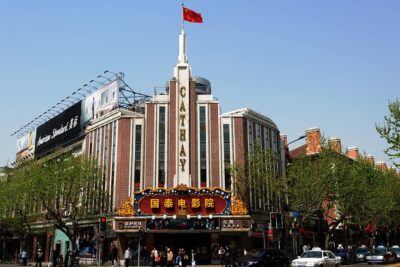 ★ 5.0Private Walking Tour in the Former French ConcessionFrom $9567 reviews
 ★ 5.0Private Yu Garden, The Bund, French Concession, Pudong Half-Day TourFrom $12051 reviews
 ★ 5.0Shanghai bar hopping tour in the former french concessionFrom $2943 reviews
 ★ 5.0French Concession Walking Tour with Real LocalFrom $3440 reviews
 ★ 5.0Afternoon Tea and Dessert Tour on the Huaihai Road in ShanghaiFrom $8219 reviews
Browse the lists this tour appears in