
Reviewed · XIAOLONGBAO & DUMPLING CLASSES
Shanghai: Dragon Beard Candy Making with a Chef
Sugar turns to thread in Shanghai. This hands-on dragon beard candy workshop mixes Chinese heritage with Le Cordon Bleu pastry technique, so you’re not just watching sweets—you’re making them.
I love the way Luc (the English-speaking instructor) walks you through what you’re doing step by step, including the candy’s legendary 2,000-year background and royal status. I also like that you get both sides of the craft: a live sugar stretching demo, then your turn stretching and folding the dough thousands of times before wrapping it with a peanut-sesame-coconut mix.
One thing to consider: molten sugar is unforgiving. If you’re hoping for perfectly neat results, you’ll probably need a little patience—your batch will be delicious, even if it looks homemade.
In This Review
- Key highlights I’d plan around
- Why Dragon Beard Candy Feels Like More Than Dessert
- Meeting Luc at Makerhub, Then Getting Oriented Fast
- The 2,000-Year Story That Sets the Mood
- Watching the Live Demo: How Sugar Becomes Hair-Thin Threads
- Your Turn: Stretching and Folding the Dough 10,000 Times
- Wrapping the Strands: Peanuts, Sesame, and Coconut
- What You Take Home (And Why It’s Better Than Just Tasting)
- Price and Value: Is $38 Worth It?
- Who This Workshop Suits Best
- Practical Tips Before You Go
- FAQ
- FAQ
- How long is the Dragon Beard Candy making workshop?
- How much does the class cost?
- Is the instructor teaching in English?
- What do I make during the class?
- What is included in the price?
- Where do I meet the instructor?
- Is there a free cancellation window?
- Is the class wheelchair accessible?
- Should You Book This Workshop?
Key highlights I’d plan around
- Le Cordon Bleu meets Chinese pastry so you understand the technique, not just the trick
- Luc’s storytelling gives the candy context before you touch the sugar
- 10,000 stretches of thin, silky threads you’ll feel in your own hands
- Peanut, sesame, and coconut filling that keeps the flavor grounded and snackable
- Take-home extras plus a recreate-at-home recipe so the class doesn’t end when it’s over
Why Dragon Beard Candy Feels Like More Than Dessert
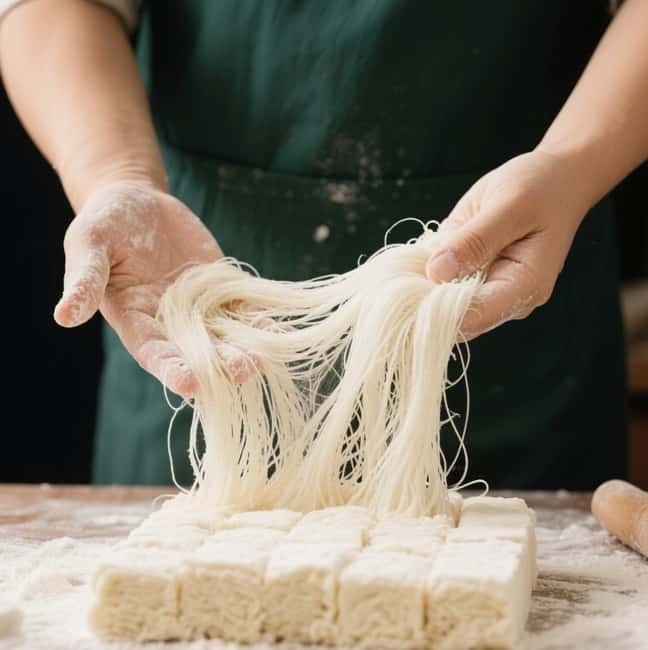
Dragon beard candy looks like a magic trick, but it’s really a skill: molten sugar is turned into ultra-thin strands, then shaped into something you can actually eat. The goal here is not just to taste a famous sweet—it’s to understand how the texture happens and why the process matters.
What makes this class appealing is the mix of cultures and training. You’re working with traditional Chinese pastry technique guided by a chef with classical French patisserie experience from Le Cordon Bleu. For me, that’s the difference between a short cooking show and a real workshop. You learn the method, so you can apply it later.
Pleat your own xiaolongbao at another class

Meeting Luc at Makerhub, Then Getting Oriented Fast
You meet at Makerhub, on the 4th floor. The session runs 2 hours, in English, and it’s built for people who want to participate without needing prior baking experience.
Before any sugar goes airborne, you’ll get the basic flow: a quick history/story moment, a live demonstration, then hands-on stretching and wrapping. That structure helps you settle in and focus. You’re not left guessing what you’re supposed to do next, which is especially important when your “workspace” is hot sugar.
If you’re going with a group, plan to arrive a few minutes early so you can get your seat and get the station setup. The class includes free drinking water, which is a small detail that makes a big difference during a sticky, hands-on activity.
The 2,000-Year Story That Sets the Mood
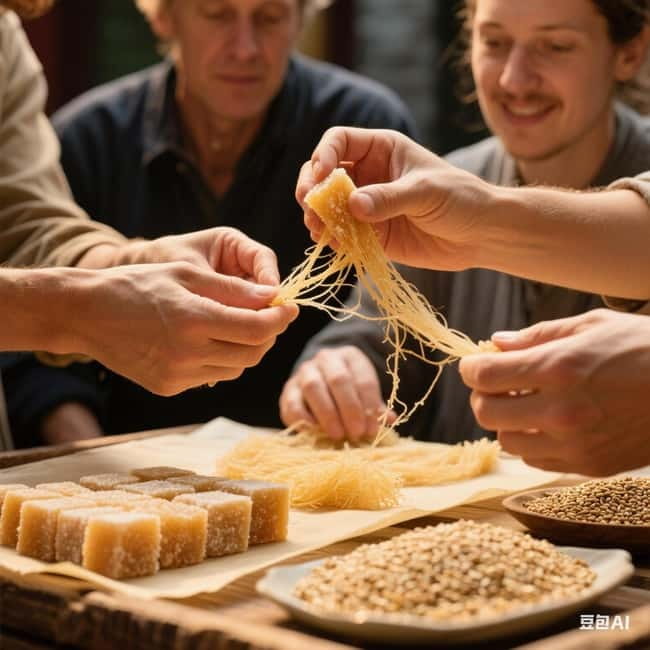
Dragon beard candy has a reputation for being old—and in this class, you get the context before the technique. You’ll hear about the candy’s 2,000-year history and how it was once reserved for Chinese royalty.
This matters because dragon beard candy isn’t just about sweetness. It’s about craftsmanship: the careful pulling, the thin strands, and the final wrapping that keeps the delicate threads intact long enough to eat. When you understand that the candy started as something special, the stretching part feels less random and more like a tradition you’re inheriting for a couple of hours.
Watching the Live Demo: How Sugar Becomes Hair-Thin Threads
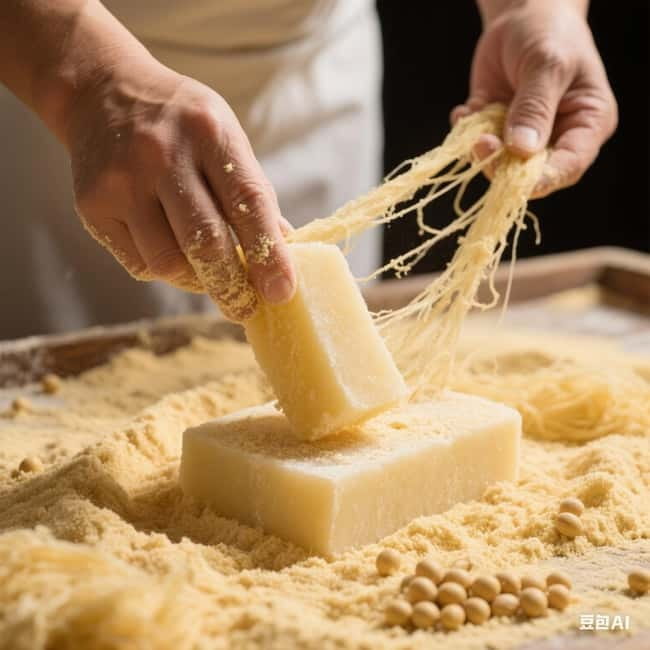
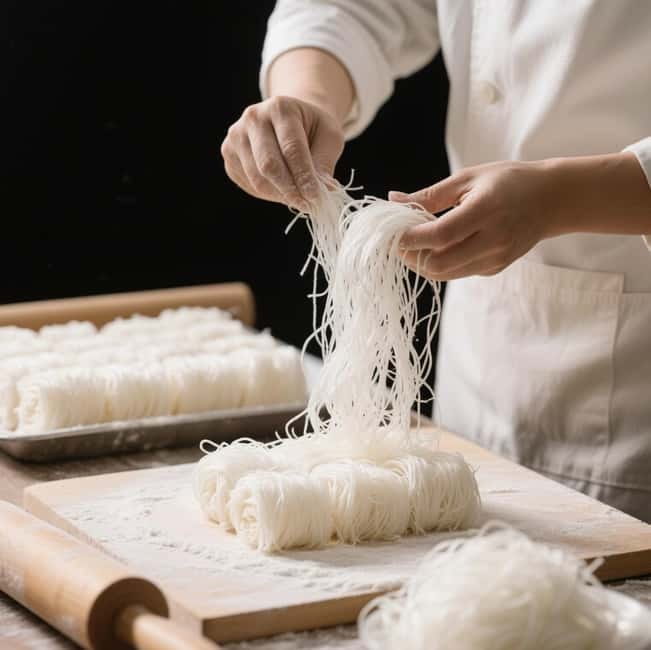
Then comes the part everyone wants to see: a live demonstration where the chef transforms molten sugar into fine, silky strands that resemble a dragon’s beard.
Even without getting lost in chemistry, you can learn the practical takeaway: sugar needs the right handling and timing. Too cool, and it fights you. Too hot, and it won’t behave the way you want. Watching the demo first helps you pick up those cues before you try it yourself.
This is also where Luc’s background shows. The class is described as a blend of precision and artistry—French technique applied to Chinese candy-making. In practice, that means you’re not only seeing results; you’re getting an explanation of why the strands form and how the stretching should feel.
Your Turn: Stretching and Folding the Dough 10,000 Times
Now you get hands-on. Under Luc’s guidance, you’ll stretch and fold the sugar dough over 10,000 times, creating threads as thin as hair.
Let’s translate that into what you’ll actually do during the workshop:
- You’ll handle a sticky sugar base and learn how to manage it so it keeps turning into thin strands
- You’ll repeat a motion until the texture becomes the signature airy, delicate threads
- You’ll keep going long enough for the candy to shift from “sugar lump” to “dragon beard” shape
If you’re worried you’ll do it wrong, don’t be. The stretching is the lesson. The goal is to learn the rhythm and control—how to pull, how to fold, and how to keep the threads from breaking too soon.
And yes, it can get messy. That’s part of the point. This is not a sit-and-smile dessert tasting. You’re making something that depends on technique, and your hands will be involved in a real way.





Wrapping the Strands: Peanuts, Sesame, and Coconut
Once the strands are ready, you’ll wrap them around a filling made from crushed peanuts, sesame, and coconut.
This step is where dragon beard candy turns from “cool process” into “real snack.” The sugar threads are light and delicate, and the filling gives you:
- crunch from peanuts
- toasty depth from sesame
- sweet, chewy aroma from coconut
That peanut-sesame-coconut combo is a great flavor anchor. It also helps make the final product more forgiving than you’d expect—if your stretching isn’t perfectly identical to a photo, the filling still tastes like the sweet is supposed to.
What You Take Home (And Why It’s Better Than Just Tasting)
By the end, you leave with your handmade dragon beard candy. The experience also includes additional pastries to take home, which is a nice buffer if you want to share or if you know you’ll finish your piece far too quickly.
You also get a recipe to recreate your dragon beard candy at home. That’s valuable because dragon beard candy is the type of sweet that’s hard to “guess” from memory. Having the written steps means you can try again later instead of thinking, I wish I had taken better mental notes.
Photos are optional, and if you want them, that’s useful for capturing the hands-on part of the experience—especially since this candy-making method doesn’t look like standard baking.
Price and Value: Is $38 Worth It?
At $38 per person for 2 hours, this workshop sits in the sweet spot for skill-based food experiences: you pay for instruction and ingredients, not just a tasting.
Here’s what you’re getting that supports the price:
- a professionally guided session with a pastry chef trained in Chinese pastry and classical French technique
- hands-on time stretching and folding a challenging sugar dough
- the actual sweet you make, plus additional pastries to take home
- a recipe so you can try again after your trip
- photos available if you want them
In other words, you’re buying a technique lesson plus edible results. For travelers, that’s usually more satisfying than paying for a meal where you taste and then move on.
Who This Workshop Suits Best
This is a great fit if you:
- like food with a strong cultural story, not just a pretty final product
- want a hands-on cooking session in Shanghai where the steps are explained in English
- enjoy learning pastry craft, especially something famous for its precision
It’s also a good choice if you’re the kind of traveler who remembers trips by what you did, not just what you ate.
If you prefer low-effort activities with minimal mess, you might find the sugar stretching part challenging—but also fun. The workshop is designed for active participation, and that’s exactly what you should expect.
Practical Tips Before You Go
A few things will help your experience go smoothly:
- Wear clothes you don’t mind getting a bit sticky during the sugar stage. Molten sugar can cling.
- Keep your focus on Luc’s cues. When you’re stretching and folding, timing and handling matter.
- Don’t stress about perfection. Your success is measured by learning the process and producing an edible candy—not matching a postcard.
If you’re going straight after another activity, consider how easy it will be to clean up. You’re participating in a craft, not just observing.
FAQ
FAQ
How long is the Dragon Beard Candy making workshop?
It lasts 2 hours.
How much does the class cost?
The price is $38 per person.
Is the instructor teaching in English?
Yes. Instruction is in English.
What do I make during the class?
You make Dragon Beard Candy by stretching and folding sugar strands, then wrapping them around a filling made with crushed peanuts, sesame, and coconut.
What is included in the price?
Included: a 2-hour hands-on Chinese pastry workshop, all high-end ingredients and baking equipment, personalized instruction from a Le Cordon Bleu-trained professional pastry chef, step-by-step guidance, additional pastries to take home, free drinking water, a recipe to recreate the candy at home, and optional photos.
Where do I meet the instructor?
The meeting point is Makerhub, 4th floor.
Is there a free cancellation window?
Yes. You can cancel up to 24 hours in advance for a full refund.
Is the class wheelchair accessible?
Yes, it’s listed as wheelchair accessible.
Should You Book This Workshop?
I’d book it if you want a Shanghai food experience with real technique, not just a quick taste. The combination of Luc’s instruction, the story behind the candy, and the hands-on stretching/folding work makes this more memorable than most edible souvenirs.
Skip it only if you’re set on a totally tidy, passive activity. This class is hands-on by design, and molten sugar means you should expect some stickiness while you learn how the magic happens.
More Tour Reviews in Shanghai
Aprons On for Xiaolongbao


Just In: The Newest Shanghai Reviews











Xiaolongbao & Dumpling Classes, compared.
 ★ 4.9Cooking Dumpling & Meal in Local Family-w/VeganFrom $8236 reviews
 ★ 5.0Secret Noodle and Wonton in Shanghai Alleyways with Local BeerFrom $7919 reviews
 ★ 5.0Private Home Cooking Class with Shanghai MamaFrom $19914 reviews
 ★ 5.02.5hrs Chinese Kitchen Cooking Class: Xiaolongbao Soup DumplingsFrom $9812 reviews
 ★ 4.9Make Soup Dumpling: Vegan or Pork in Shanghai ShikumenFrom $1206 reviews
 ★ 4.52.5hrs Chinese Kitchen Cooking Class: Art Steamed DumplingsFrom $1095 reviews
 ★ 4.5Online Cooking Class Fried Rice by Sunflower LiFrom $205 reviews
 ★ 5.0Zhujiajiao and Yu Garden Tour with Wonton Making in ShanghaiFrom $2294 reviews
Browse the lists this tour appears in