
Reviewed · XIAOLONGBAO & DUMPLING CLASSES
Private Home Cooking Class with Shanghai Mama
A home kitchen in Shanghai beats another tour bus any day. You’ll start with wet market food samples and then cook with a Shanghai Mama in a local-style home. The best part is how the meal comes with context, not just recipes.
I especially like the hands-on format, because you’re not standing at the edge watching someone else work. You get personal attention that keeps things moving and answers your questions as they come up.
One thing to consider: this experience is active and involves tasting in a market setting, so if you have strong food aversions or very specific dietary needs, tell the operator ahead of time and be clear about what works for you.
In This Review
- Key Things You’ll Notice on This Shanghai Cooking Class
- Why a Shanghai Mama Cooking Class Feels More Real Than a Restaurant
- Wet Market First: Snacks, Choices, and Reading Chinese Food Culture
- Where the market part can be tricky
- Entering a Local Home Kitchen Built for Real Life
- What you’re likely to learn beyond the recipes
- The Hands-On Cooking Lesson: Learning by Doing, Not Watching
- Vegetarian option exists, but you need to speak up early
- Lunch or Dinner at the Table: Turning Ingredients Into a Shared Meal
- Price, Timing, Pickup, and How to Get the Best Value
- A realistic value check
- Who This Shanghai Mama Class Fits Best (and Who Should Skip It)
- Should You Book This Cooking Class?
- FAQ
- What time does the tour start?
- Where do we meet the guide?
- Is hotel pickup and drop-off included?
- How long is the cooking class?
- Is this a private experience?
- What’s included in the price?
- Can I request a vegetarian option?
- What should I wear?
- What is the cancellation policy?
- Does the tour run in bad weather?
Key Things You’ll Notice on This Shanghai Cooking Class
- Wet market snack tasting with a guide helping you choose what to try
- Private, small-group feel with your own guide and only your group participating
- A real local home built in the 1950s–1970s, not a studio kitchen
- Ingredient education around fresh produce, seafood like shrimp, and seasonal items such as hairy crabs
- Lunch or dinner you helped make, served after the cooking lesson
- Hotel pickup and drop-off from central Shanghai for an easier evening (or afternoon)
Why a Shanghai Mama Cooking Class Feels More Real Than a Restaurant
Shanghai can be great at feeding you fast. This tour is different. It’s built around the everyday pathway locals follow: market first, then home cooking, then eating together. That makes the food taste better, but it also helps you understand why certain ingredients show up and what people think about when they’re choosing dinner.
The format is private, so you’re not squeezed into a big group rhythm. You’re guided through the wet market, then you head to the home of your chef-instructor for a cooking lesson that’s paced for your questions. If you like travel that connects food to daily life, this hits the sweet spot.
Price-wise, it’s $199.11 per person for about four hours. That’s not cheap for Shanghai. But it’s also not just a tasting event. You’re paying for a personal guide, private transfer, hotel pickup/drop-off from central areas, market snacks, bottled water, and the lunch or dinner you cook. When you break it down, you’re basically covering transportation, guidance, and a home meal experience you can’t replicate on your own as easily.
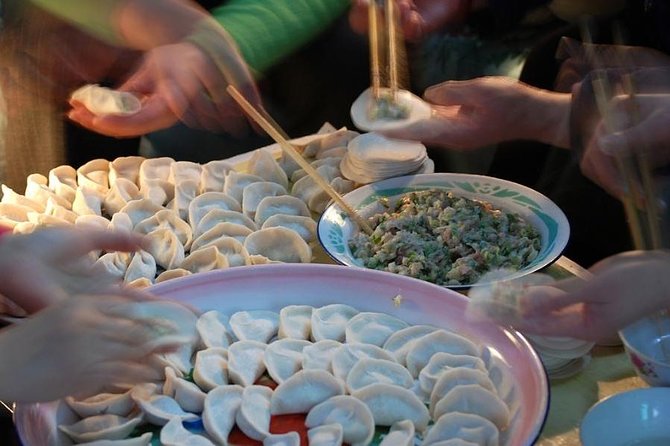
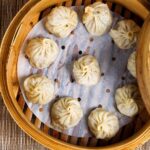
Pleat your own xiaolongbao at another class
Wet Market First: Snacks, Choices, and Reading Chinese Food Culture
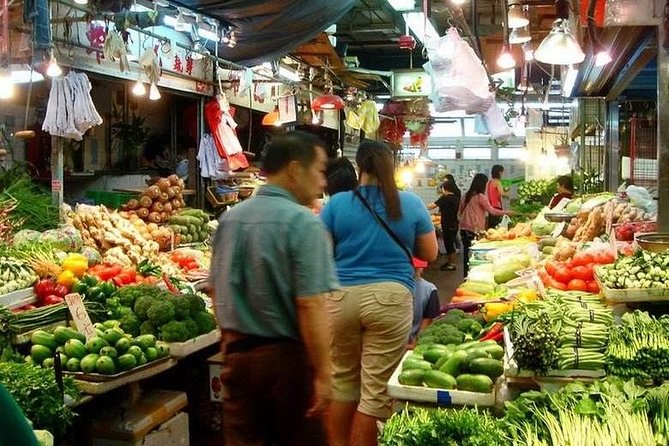
You meet your guide at the hotel lobby, either at 10:00 am or 4:00 pm (your exact start time depends on the option you choose). From there, you ride in a private car to one of Shanghai’s biggest wet markets. This is the part I think you’ll remember, because it trains your eyes and your taste buds before you ever touch a stove.
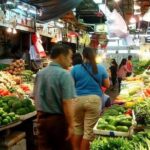
In the market, your guide leads you through the food world with practical context. You’re shown fresh vegetables, fruits, meats, and seafood. You’ll also see items like shrimp and hairy crabs, which are especially iconic in Shanghai’s food culture. Your guide helps you recognize what you’re looking at and explains how local people connect ingredients to meals and seasons.
And yes, there’s tasting. You’re offered snacks at the wet market, picked by your guide. This matters more than it sounds. Left on your own, it’s easy to feel lost at a dense market where you can’t always tell what’s popular, what’s good, and what’s safe or fresh. Here, your guide filters the noise and steers you toward things worth trying.
A smart tip: treat this as a guided “preview” of the flavors you’ll see again in the cooking class. If you focus on textures and aromas as you snack—crispy, chewy, savory, sweet—you’ll pick up what the kitchen is trying to achieve later.
Where the market part can be tricky
Wet markets involve people, noise, and lots of food smells. The tour is designed for all-weather operation, so you’ll be walking and standing regardless of the conditions. Wear comfortable walking shoes and plan to move at a steady pace. If you don’t like tasting in public food settings, it helps to mentally frame this as education, not just eating.
Entering a Local Home Kitchen Built for Real Life
After the market, you head to your cooking class in the home of your chef-instructor. These are described as typical local homes built in the 1950s–1970s, which changes the feeling immediately. You’re not in a commercial kitchen with everything staged and polished. You’re in the kind of place where people live, store, cook, and talk.
Your guide also explains details about their life. That daily-life context is part of why a home cooking class works so well. Chinese cuisine isn’t just about dishes. It’s also about habits: how ingredients are chosen, how meals are timed, and how cooking fits into household rhythms. When your guide points out what’s “normal” in that home, the food starts making more sense to you.
If you’re lucky and your guide team includes folks like FeiFei, her mother, and Penny (names shared in prior guest experiences), you’ll likely feel that warm, family-style hospitality. Even when the lesson focuses on technique, the atmosphere tends to be chatty and welcoming, which makes asking questions feel natural.
What you’re likely to learn beyond the recipes
Even without a long explanation, the home setting teaches you subtle things:
- how ingredients are handled before cooking
- how flavors are balanced through simple steps
- why certain textures matter in Chinese dishes
- how family members contribute, not just one “chef on display”
You’re paying for access to that “behind the scenes” knowledge, not just a meal.
Prefer your own group? More private Shanghai trips




The Hands-On Cooking Lesson: Learning by Doing, Not Watching
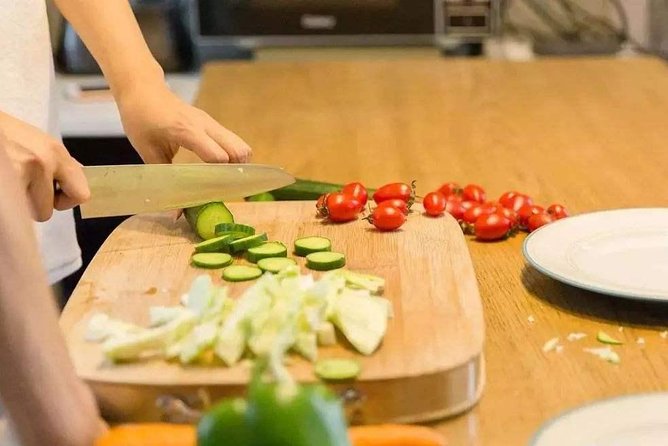
The cooking class is the core event and it’s hands-on. You’ll go from market shopping context to kitchen technique fast, which keeps your learning tied to what you just saw.
The tour is described as a private cooking class where you learn Chinese cuisine and experience daily life. That means the lesson isn’t just one dish. It’s designed to get you involved enough that you can help prepare the meal you’ll eat afterward.
Here’s what I think you should expect from the teaching style:
- personal guidance while you cook
- time for you to ask about ingredients and methods
- explanations of food culture behind what you’re making
The biggest win here is “personal attention.” In a group class, you can get stuck with long waiting periods while someone else cooks. In a private format, the instructor can slow down for you and correct technique quickly.
Vegetarian option exists, but you need to speak up early
A vegetarian option is available, but you must advise at booking. That’s important. Don’t wait until you arrive. If you have dietary restrictions, tell the operator right away so the instructor can plan substitutions and avoid any confusion during the cooking phase.
Lunch or Dinner at the Table: Turning Ingredients Into a Shared Meal
Once the cooking lesson ends, you eat lunch or dinner that you helped prepare. This is more than a reward after work. It’s the part where everything connects.
When you sit down to what you made, you’ll notice the differences between tasting in the market and eating a full dish. Market snacks teach you ingredients and textures. The cooked meal shows you how the kitchen transforms those raw materials into a balanced plate.
You’ll also have lively conversation during the meal, which is one reason this format works especially well for couples, food lovers, and curious solo travelers. You’re not just eating; you’re talking about what you cooked, what you saw, and how it fits into local life.
If you’re traveling for culture, this is the moment where it clicks: the food tells you stories.
Price, Timing, Pickup, and How to Get the Best Value
Let’s talk practicals: $199.11 per person for roughly 4 hours. The tour includes:
- private professional guide
- private transfer
- hotel pickup and drop-off from central Shanghai
- home cooking class
- lunch
- market snacks
- bottled water
There’s also a mention of group discounts and a mobile ticket, which can make planning smoother if you’re coordinating with friends.
Timing matters here. With a 10:00 am start, you get a daytime market visit and then a meal earlier in the day. With a 4:00 pm start, you’re pairing late-afternoon market exploration with an evening meal. Neither is “better.” It depends on your Shanghai schedule and energy level.
And because pickup is included from central Shanghai, you avoid the stress of figuring out how to get yourself across town during market traffic. This is a big deal if you’re staying in a hotel area that’s convenient for tours but not convenient for local transit.
A realistic value check
If you’re the kind of traveler who already likes cooking shows, this will feel like good value because you’re getting real instruction and not just watching. If you’re expecting a bargain meal, you might feel the price more. But if you want the combination of market learning + private home cooking + transportation + an actual meal, this is one of the more efficient ways to do it in Shanghai.
Who This Shanghai Mama Class Fits Best (and Who Should Skip It)
This tour suits you if you:
- want a food-first Shanghai experience tied to daily life
- like markets and ingredient shopping with guidance
- enjoy cooking and want to participate, not just observe
- prefer a private experience with your own guide and only your group
It may not be the best match if you:
- hate tasting foods in a crowded market environment
- have tight mobility needs, since you’ll be walking during the market portion
- want fully customized dishes with no ingredient overlap (tell your needs early if that’s your situation)
The good news: the tour is built to run in all weather conditions, so you’re not gambling that your day will fall apart due to rain or heat. You just need to dress appropriately.
Should You Book This Cooking Class?
Yes, if your idea of a great Shanghai day includes real food context. The wet market snack start gives you a fast education, and the home kitchen keeps that education practical. The private format and hotel pickup make it easier to fit into a trip without turning it into an all-day logistics puzzle.
I’d especially recommend booking if you’re traveling with a friend or partner who also wants to talk through food. It’s the kind of experience where conversation becomes part of the meal, not an awkward add-on.
If you’re on the fence, make the call based on one question: Do you want to understand Chinese cuisine through ingredients and habits, or do you just want to eat? This tour is for the first one.
FAQ
What time does the tour start?
You’ll meet your guide at your hotel lobby at either 10:00 am or 4:00 pm, depending on the option you book.
Where do we meet the guide?
You meet your lovely local guide at your hotel lobby.
Is hotel pickup and drop-off included?
Yes. The tour includes hotel pickup and drop-off from central Shanghai.
How long is the cooking class?
The duration is about 4 hours.
Is this a private experience?
Yes. It’s a private tour/activity, and only your group participates.
What’s included in the price?
Included are a private professional guide, private transfer, hotel pickup and drop-off, the home cooking class, lunch, snacks, and bottled water.
Can I request a vegetarian option?
Yes. A vegetarian option is available, and you should advise at booking if you need it.
What should I wear?
Wear comfortable walking shoes, since you’ll be moving around during the market portion.
What is the cancellation policy?
Free cancellation is available up to 24 hours in advance of the experience’s start time for a full refund.
Does the tour run in bad weather?
The experience operates in all weather conditions, so dress appropriately.
More Private Shanghai Tours
More Tour Reviews in Shanghai

Aprons On for Xiaolongbao

Just In: The Newest Shanghai Reviews









Xiaolongbao & Dumpling Classes, compared.
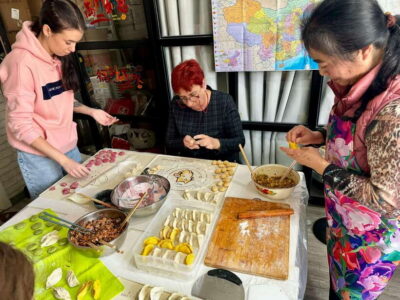 ★ 4.9Cooking Dumpling & Meal in Local Family-w/VeganFrom $8236 reviews
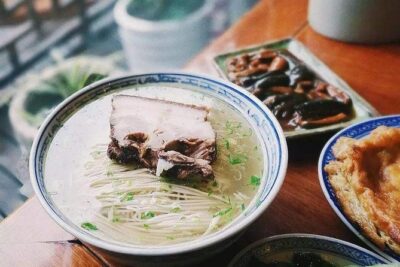 ★ 5.0Secret Noodle and Wonton in Shanghai Alleyways with Local BeerFrom $7919 reviews
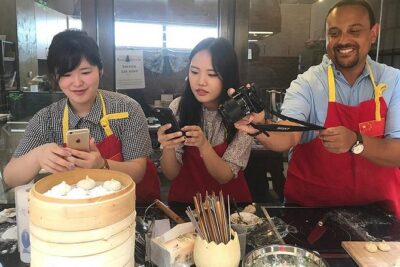 ★ 5.02.5hrs Chinese Kitchen Cooking Class: Xiaolongbao Soup DumplingsFrom $9812 reviews
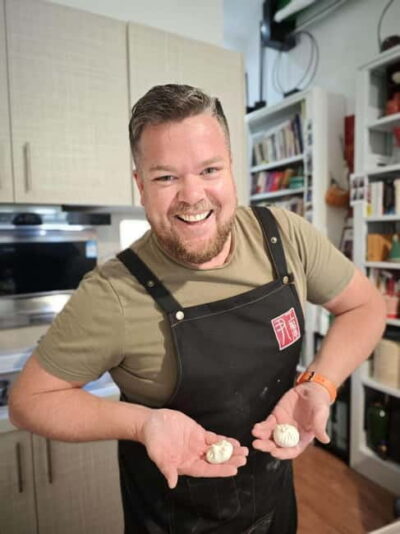 ★ 4.9Make Soup Dumpling: Vegan or Pork in Shanghai ShikumenFrom $1206 reviews
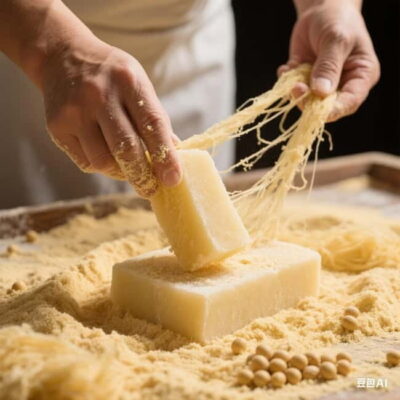 ★ 4.8Dragon Beard Candy Making with a ChefFrom $386 reviews
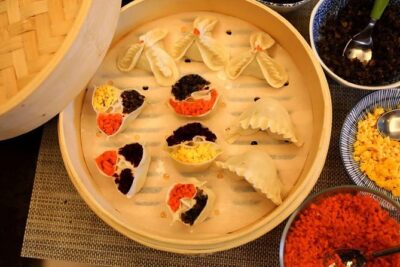 ★ 4.52.5hrs Chinese Kitchen Cooking Class: Art Steamed DumplingsFrom $1095 reviews
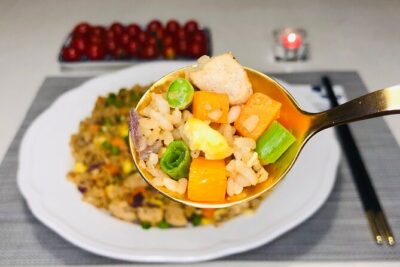 ★ 4.5Online Cooking Class Fried Rice by Sunflower LiFrom $205 reviews
 ★ 5.0Zhujiajiao and Yu Garden Tour with Wonton Making in ShanghaiFrom $2294 reviews
Browse the lists this tour appears in