
Reviewed · XIAOLONGBAO & DUMPLING CLASSES
2.5hrs Chinese Kitchen Cooking Class: Art Steamed Dumplings
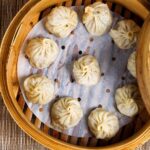
Steamed dumplings become art here. You get small-group attention and the fun of making truly shaped dumplings, plus included tea while you work. The one thing to consider: a good chunk of the time is also cultural talk and dumpling naming, so it is not a pure, technique-only marathon.
You meet near public transportation on Guangyuan Road and spend about 2.5 hours learning dough, filling, folding, and steaming. You can choose vegetarian/vegan if you tell them ahead, and the chef leads in English.
In This Review
- Key Highlights You’ll Actually Notice
- Why This Shanghai Dumpling Class Works in Real Life
- Guangyuan Road Meet-Up: The Schedule That Keeps It Moving
- The Dumpling “Art” Part: Rolling, Wrapping, and Folding
- Filling First: Marinating Pork (And Keeping the Veggie Choice Strong)
- Steaming and Timing: The Part That Changes Everything
- The Dipping Sauce: Learning What Goes With Your Dumplings
- Tea, Culture, and Two Chef Personalities You Might Hear About
- Eating Together at 4:00: What You’ll Get Out of the Results
- Price and Value: Is $109.88 a Fair Deal?
- Who Should Book This Steamed Dumpling Class
- Should You Book It
- FAQ
- How long is the Shanghai steamed dumpling cooking class?
- What’s the group size for this dumpling class?
- Is there a vegetarian or vegan option?
- Is tea included?
- Where do I meet, and is hotel pickup provided?
- Is this experience refundable if I cancel?
Key Highlights You’ll Actually Notice
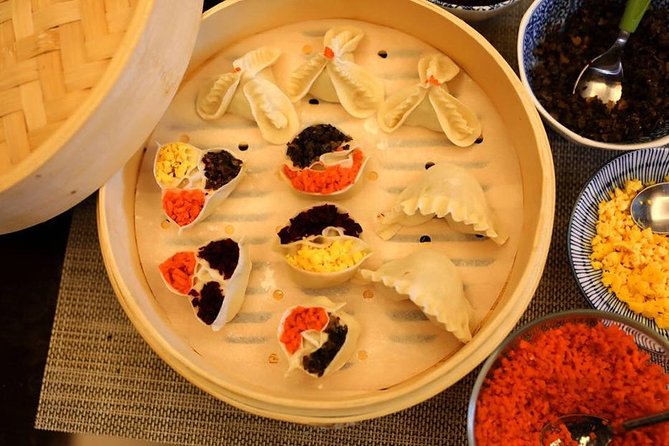
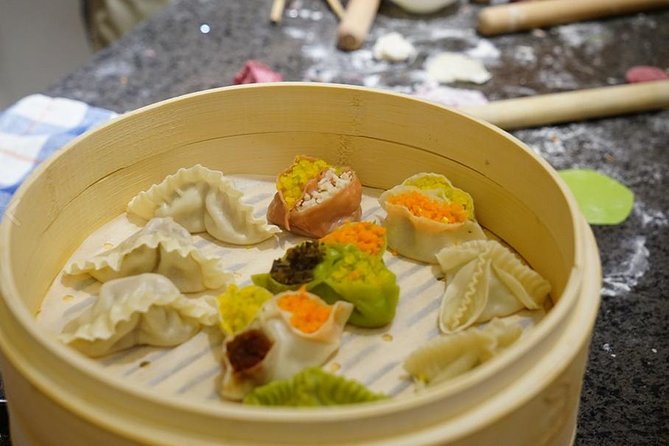
- Colorful dumpling “art”: you fold dumplings in different ways you might not see at everyday restaurants
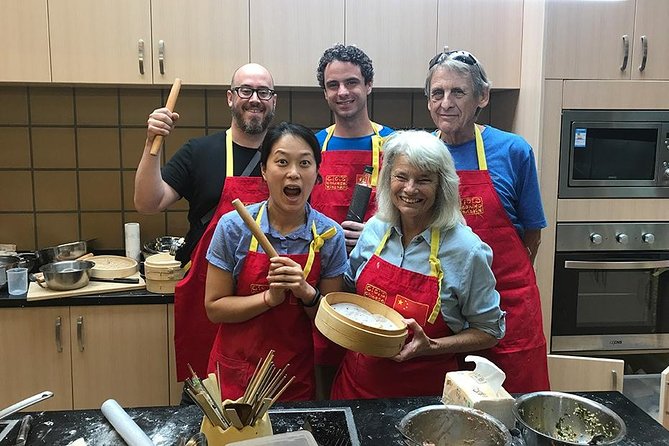
- Max 15 people: a smaller class size means more coaching and less waiting around
- Tea during prep: you sip as you learn, not just at the end
- Pork or vegetarian filling: you learn a simple, healthy marinating approach
- Steaming timing + authentic dipping sauce: practical results, not just wrapping theory
- Dumpling names and symbolic meaning: you learn what the shapes mean, not only how to make them
Why This Shanghai Dumpling Class Works in Real Life
If you’ve ever watched dumpling chefs move fast and thought, I could never do that, this class is built to shrink that gap. You start with hands-on basics—kneading dough by hand and rolling out wrappers in a very Chinese style—then you build toward shaped, “banquet look” dumplings.
What makes it appealing is that it connects craft to outcome. You learn how to marinate the filling, how to fold different shapes, how long to steam, and how to make a dipping sauce that matches. You’re not just making one generic dumpling; you’re learning a method you can repeat when you’re back home.
Still, manage expectations. One review-style theme that comes through is that the class includes conversation about Chinese culture, tea, and dumpling-related history and meaning. If your only goal is maximum cooking time and minimum talking, you may want to go in knowing you’ll also get that context.
Pleat your own xiaolongbao at another class
Guangyuan Road Meet-Up: The Schedule That Keeps It Moving
The class runs for about 2 hours 30 minutes total. It typically starts with you meeting at the cooking school on Guangyuan Road (Guang Yuan Lu), Xu Hui District. From there, the session is staged so you’re not stuck waiting.
Here’s the flow you should expect:
- 2:00 pm: meet at the cooking school
- 2:10 pm: introduction to cooking culture and local ingredients
- 2:30 pm: cooking session begins
- 4:00 pm: you enjoy the meal together
- 4:30 pm: the class wraps up, including a recipe to take home
That pacing matters. The early intro helps you understand what ingredients you’re working with and why certain methods are used. Then the cooking blocks give you time to practice folding and steaming rather than rushing at the end.
One practical note: this experience does not include hotel pickup and drop-off. It also ends back at the meeting point, which is great if you like keeping your own schedule simple. Since it’s near public transportation, you can plan around metro and walking without worrying about a driver.
The Dumpling “Art” Part: Rolling, Wrapping, and Folding
This class is built around the idea that special dumplings are not usually what you see on a standard plate in an everyday restaurant. You might find these kinds of more decorative shapes at state banquet settings or in higher-end hotel kitchens. In this lesson, you’re going to learn to recreate that look with your own hands.
You’ll work through:
- Kneading dough by hand
- Making a wrap using a rolling pin (Chinese style)
- Folding dumplings in different ways
- Learning Chinese names for different dumplings and their symbolic meaning
That symbolic meaning piece is small but memorable. It’s the kind of detail that makes the class feel more like learning a craft, not just performing steps. It also helps you remember the shapes because you associate each form with a name and purpose.
You’ll likely feel clumsy at first—most people do. One important message from the way the class is taught: the dumpling shapes seem difficult, but the structure of the instruction keeps them within reach. The coach style is friendly, and the pace is meant to guide you through hand skills you can actually pick up within a single afternoon.
Filling First: Marinating Pork (And Keeping the Veggie Choice Strong)
Dumpling classes often rush the filling. This one slows down just enough to make sure you understand what goes in and why. For the standard version, the filling is pork. If you selected vegetarian/vegan at booking, you’ll follow the corresponding vegetarian approach.
The chef teaches you how to marinate the pork in an easy but healthy way. The goal isn’t complicated gastronomy; it’s flavor balance and texture so your dumplings taste right after steaming.
You also add colorful chopped vegetables on top—think four or five vegetable pieces—so the finished dumplings look more like those banquet-style plates than plain “everyone gets the same dumpling” versions.
If you’re vegetarian/vegan, this is one of the more thoughtful details: the class is explicitly vegetarian-friendly and says vegan vegetarian is applicable. That matters because some “vegetarian options” elsewhere are just a substitution without the same care. Here, the class structure acknowledges the alternative.
Steaming and Timing: The Part That Changes Everything
Steaming is where dumplings go from okay to actually good. In this class, you learn how long it’s best to steam so the dough and filling work together. That timing is the kind of information you don’t easily guess at home—especially if you’re learning from scratch.
You also learn the steaming technique in a way that you can translate. Instead of treating it like a mystery, you get a clear expectation for results. That’s the practical win.
And because you’re working in a group of up to 15 people, you’re less likely to feel abandoned during the waiting times. The overall tone stays encouraging, and you get support as you practice the folding.
One caution based on how the class experience can land: if you’re the type who wants hours of direct instruction at each step, you might find the pace includes some cultural conversation and broader context. You still do cook and eat what you make, but the class is designed to be more than a silent kitchen lab.
Sit down to more tea, brush and craft sessions

The Dipping Sauce: Learning What Goes With Your Dumplings
A great dumpling is more than the wrapper and filling. The last step you’ll work on is the authentic sauce to dip your dumplings into.
You’re taught how to make it and how to pair it with what you’ve created. Even if you’ve had dumplings before, making the sauce yourself gives you control over taste. It also helps you understand why certain flavors work with steamed dumplings, which tend to be lighter and more delicate than pan-fried alternatives.
In practice, this also gives the session a satisfying finish. You fold, steam, and then you taste something that matches the method you just learned. For many people, that moment is what makes the whole afternoon feel worth it.
Tea, Culture, and Two Chef Personalities You Might Hear About
Part of the class vibe is a relaxed education. You sip complimentary tea while you work. That’s not just a perk; it keeps the energy calm during hands-on prep, especially if you’re still learning folding technique and you’re getting your first steam result.
Two name drops from the chef/instructor side that stand out:
- Yin: described as a nice instructor who guided the experience while sharing art, Chinese history and culture, and tea
- Cici: described as very helpful and kind, and linked to a high recommend rate
If those details matter to you, you’re basically going to a class where the teacher talks through more than recipes. That can be a huge plus if you want context and conversation. It can be less ideal if your ideal class is quiet and strictly procedural. Both are valid preferences.
Eating Together at 4:00: What You’ll Get Out of the Results
When it’s time to eat, you’re not waiting for something delivered. You enjoy the meal as a group with dumplings you made yourself. That group part matters more than it sounds. Cooking classes can feel awkward if you’re stuck with a desk-lecture format. Here, you’re all working and tasting together at the end.
You also get the satisfaction of seeing how your folding choices look when they’re steamed. Some dumplings will be more perfect than others. That’s normal. The class is less about perfection and more about gaining the confidence to make dumplings again.
If you’re visiting Shanghai and want a hands-on experience that doesn’t feel like a shopping stop or a scripted performance, this meal is the payoff: you can connect the steps you learned—dough, filling, folding, steaming, sauce—to what ended up on your plate.
Price and Value: Is $109.88 a Fair Deal?
At $109.88 per person, this is not a budget class. So the real question is whether you’re getting enough instruction and enough included value to justify it.
Here’s what you do get:
- Small group up to 15
- Cooking class (hands-on dumpling making)
- Complimentary tea
- Vegetarian/vegan applicable
- English-speaking chef
- You learn dumpling names and meanings, plus steaming timing and sauce
That combination leans toward solid value for Shanghai. You’re paying for guidance, ingredients/teaching, and the kitchen time that lets you leave with a recipe and a skill you can repeat.
If you’re paying premium prices, you should also think about expectations. The best-fit buyer is the person who wants an experience with a teacher, not just a generic workshop. If you’re seeking the most intensive “every minute is cooking” format, note that this class also includes cultural introduction and discussion.
In short: it’s priced like a guided, small-group experience with meal results, not a take-a-class-and-go deal.
Who Should Book This Steamed Dumpling Class
This class is best for:
- You if you want hands-on steamed dumpling skills you can actually redo later
- You if you like learning the why behind technique, like ingredient choices and dumpling names/meaning
- You if you want a manageable group size and a teacher who stays engaged
- You if you’d appreciate a vegetarian/vegan-friendly option
It’s not ideal if:
- You want a lesson that is almost entirely cooking and barely any talk
- You’re extremely time-sensitive and cannot reach Guangyuan Road on your own
If you’re traveling with low cooking confidence, that’s fine. The class emphasizes that the dumplings may look complicated, but the process is designed to be learnable in-session.
Should You Book It
Book it if you want a fun Shanghai food experience that teaches skills, not just a photo moment. The combination of folding technique, steaming timing, and a sauce you learn to make is the kind of trio that turns into a repeatable memory and a usable recipe.
Also, the max 15 group size and included tea point to a calmer, guided pace. And if you care about cultural context—dumpling names, symbolic meaning, ingredient talk—this fits nicely.
Skip it only if your top priority is pure hands-on time with zero cultural discussion. Otherwise, this is a smart way to spend an afternoon in Shanghai: practical cooking, real results, and enough structure that you leave knowing what you did and how to do it again.
FAQ
How long is the Shanghai steamed dumpling cooking class?
It runs for about 2 hours 30 minutes.
What’s the group size for this dumpling class?
The maximum group size is 15 travelers.
Is there a vegetarian or vegan option?
Yes. The class is vegetarian-friendly, and vegan vegetarian is applicable. You should write down your preference at booking.
Is tea included?
Yes. Complimentary tea is included.
Where do I meet, and is hotel pickup provided?
You meet at Guangyuan Road (Guang Yuan Lu, Xu Hui Qu, Shanghai). Hotel pickup and drop-off services are not included.
Is this experience refundable if I cancel?
No. The experience is non-refundable and cannot be changed for any reason.
More Tour Reviews in Shanghai




Tea, Brush & Craft Sessions
Aprons On for Xiaolongbao
Just In: The Newest Shanghai Reviews








Xiaolongbao & Dumpling Classes, compared.
 ★ 4.9Cooking Dumpling & Meal in Local Family-w/VeganFrom $8236 reviews
 ★ 5.0Secret Noodle and Wonton in Shanghai Alleyways with Local BeerFrom $7919 reviews
 ★ 5.0Private Home Cooking Class with Shanghai MamaFrom $19914 reviews
 ★ 5.02.5hrs Chinese Kitchen Cooking Class: Xiaolongbao Soup DumplingsFrom $9812 reviews
 ★ 4.9Make Soup Dumpling: Vegan or Pork in Shanghai ShikumenFrom $1206 reviews
 ★ 4.8Dragon Beard Candy Making with a ChefFrom $386 reviews
 ★ 4.5Online Cooking Class Fried Rice by Sunflower LiFrom $205 reviews
 ★ 5.0Zhujiajiao and Yu Garden Tour with Wonton Making in ShanghaiFrom $2294 reviews
Browse the lists this tour appears in