
Reviewed · TEA, CALLIGRAPHY & CHINESE CRAFTS
Shanghai: Hands-on Incense Tablet Making Class
Incense tablets sound simple, until you make one yourself. This Shanghai hands-on class walks you through China’s 2,000-year incense culture and then gets your hands working with fragrant, mold-pressed clay. I like that you get real traditional process (not just watching), and I also like the take-home setup: an elegant gift box plus experience photos you can keep. One possible consideration: you’re paying for a focused 1.5-hour workshop, so if you’re hoping for a longer tour of multiple neighborhoods, this may feel short.
What makes this worth your time is how practical it is. You’ll mix natural ingredients and plant-based essential oils in traditional ratios, knead the scent-filled clay smooth, and press it into intricately carved molds with lucky and cultural symbols. You also leave with something you can actually use for years—car pendant, wardrobe sachet, or a charm that quietly scents your space.
Before you go, note the logistics are simple but not automatic. You meet at the yellow historic villa, and address details come by WhatsApp after booking; there’s no hotel pickup or drop-off included, so plan to get there on your own.
In This Review
- Key things you’ll notice in this class
- A Shanghai craft that turns scent into something personal
- The 90 minutes of making: what your hands will do
- Ancient technique, taught in a modern way
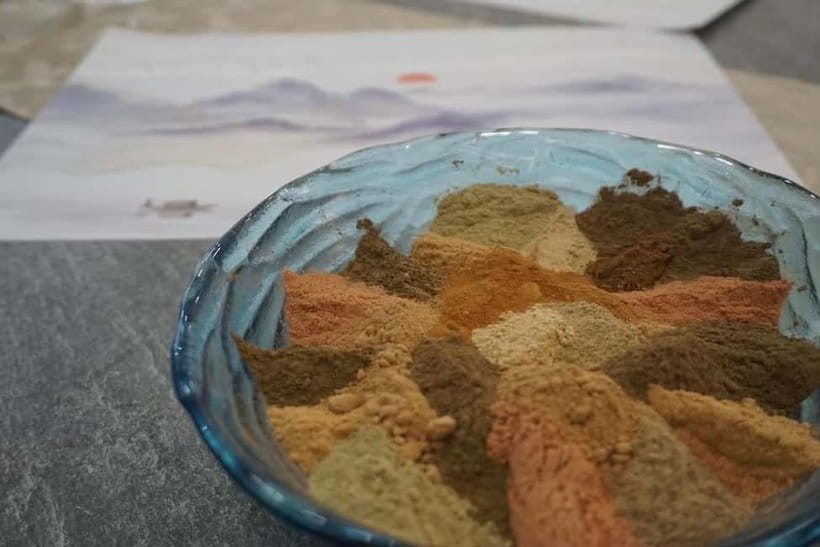
- Eco-friendly incense: what you’re making with
- Choosing molds and symbols: make it lucky, pure, or personal
- Tea tasting and the culture behind incense
- What you take home: gift box, photos, and a tablet that lasts
- Price and value: is $78 worth a 1.5-hour class?
- Who this Shanghai incense class suits best
- Practical tips before you book (based on how the class works)
- Should you book the Shanghai incense tablet making class?
- FAQ
- Where do I meet for the Shanghai incense tablet class?
- How long is the experience?
- What is included in the price?
- Is there pickup or drop-off from the hotel?
- Do I get to customize my incense tablet?
- What language will the instructor speak?
- Is the workshop accessible?
- Can I cancel if my plans change?
Key things you’ll notice in this class
- Ancient incense culture, explained clearly before you touch the materials
- Mold-pressed shaping with symbols like bats, lotus flowers, and zodiac animals
- Eco-friendly materials with no synthetic additives
- Personalization options using decorative cords or beads
- Tea tasting + experience photos included with your keepsake box
- A quiet, hands-on studio feel with patient guidance for beginners
A Shanghai craft that turns scent into something personal
If you want a Shanghai experience that doesn’t vanish the moment you walk out the door, an incense tablet class is a smart choice. You’re not just buying a souvenir; you’re making a small, usable cultural object—one that carries fragrance for a long time after it dries.
This workshop is also a good “middle” option. It’s hands-on enough to feel satisfying, but not so technical that it becomes intimidating. The instruction is available in English, Chinese, Korean, and Japanese, and the class is set up as a private group, which usually means you get more direct attention when you’re learning the shaping technique.
For the culture side, you’ll get the context first: incense in China has been used for rituals, medicine, and daily life for about 2,000 years. You’ll hear how fragrance types such as sandalwood, musk, and amber were part of traditional life, not just special events.
Sit down to more tea, brush and craft sessions
The 90 minutes of making: what your hands will do
The workshop runs about 1.5 hours, so it’s designed to fit the time you have on a day trip without turning into a half-day production. Expect a structured flow: introduction, materials prep, shaping, and finishing steps you can complete during the session.
Here’s how the crafting typically unfolds once you’re in the studio:
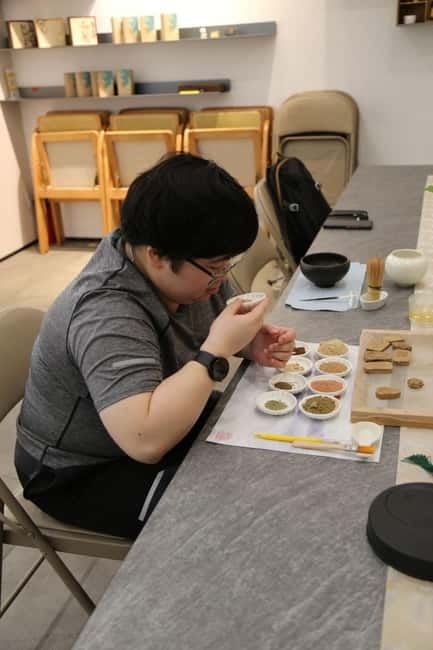
1) Material preparation
You’ll mix natural ingredients and plant-based essential oils, following traditional ratios. This matters because the fragrance isn’t random. The point is to create a balanced scent profile in the tablet clay.
2) Kneading the scented clay
You’ll knead until you get a smooth, workable texture. Kneading sounds basic, but it’s the step that decides how clean your edges and details will look after pressing.
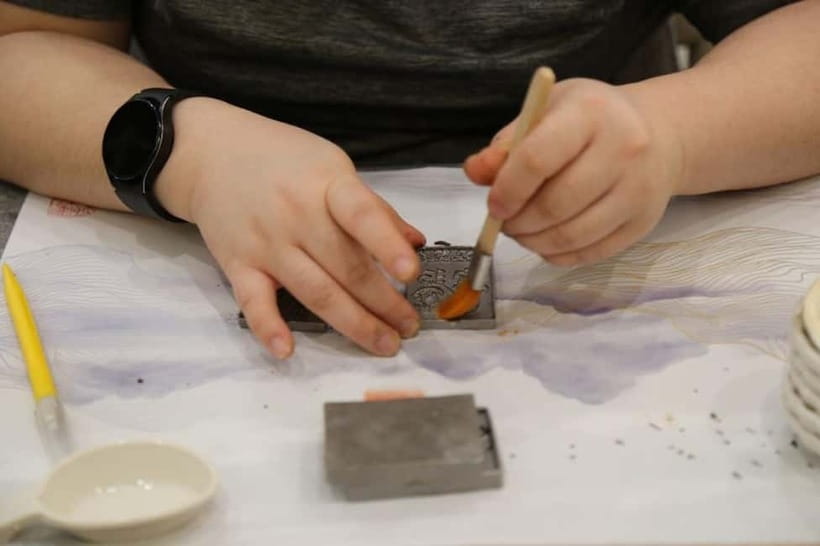
3) Pressing into carved molds
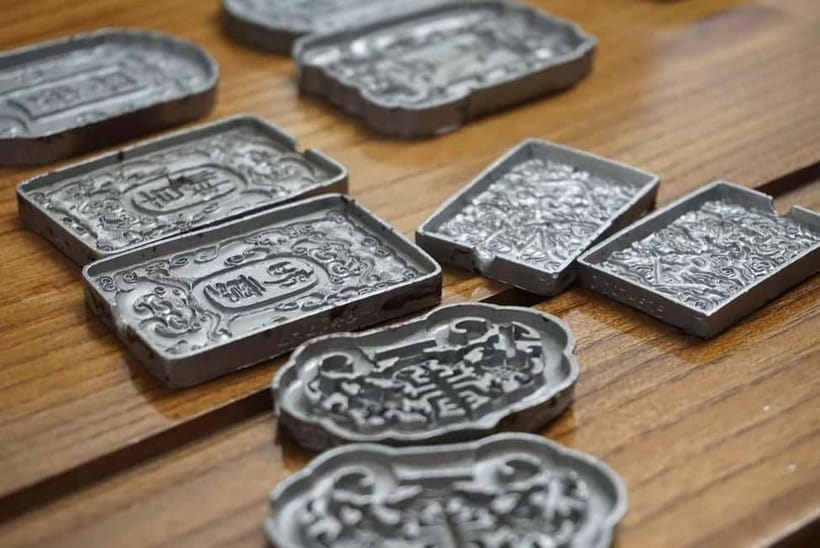
You’ll press the clay into intricately carved molds. These molds include cultural symbols such as bats for luck, lotus flowers for purity, and zodiac animals. This is where the craft shifts from “craft time” into something meaning-based. You aren’t only copying a design; you’re choosing a theme.
4) Refining edges
After pressing, you’ll refine and tidy the edges for a polished finish. That small attention to detail is a big part of why your final tablet can look gift-ready.
5) Personalization with cords or beads
You can customize your tablet by adding decorative cords or beads. This turns the tablet into something that works as an ornament, pendant, or charm instead of staying purely decorative.
6) Then it dries
Once your tablet is dried, it emits a subtle, calming aroma for years. You won’t get a huge incense cloud in the room, which is often a relief in a shared travel day.
A quiet studio helps here. The better classes keep the environment calm, so you can concentrate on pressure, timing, and detail rather than coping with constant foot traffic.
Ancient technique, taught in a modern way
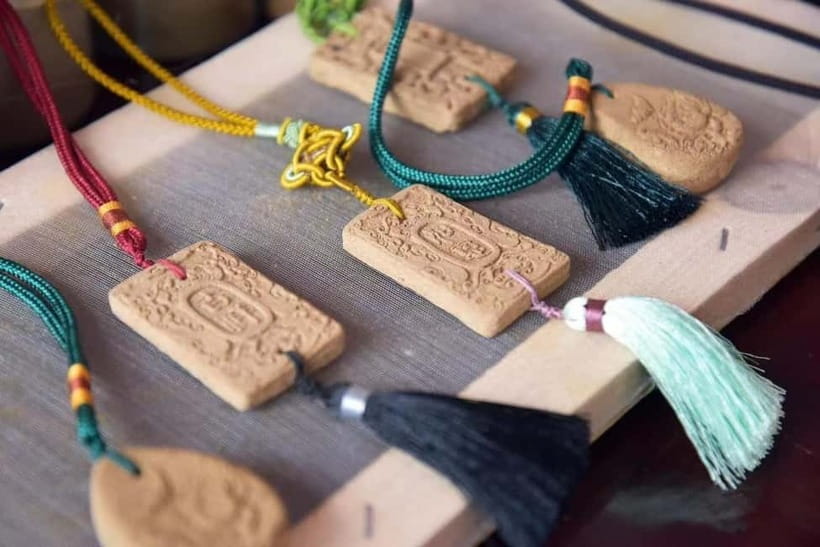
One of the best parts of this experience is that the technique is traditional, but the teaching is practical. You’ll learn from instructors who connect to non-heritage inheritor traditions, so the knowledge isn’t just a script. It’s about doing it correctly: the right feel of clay, how firmly to press, and how to finish the edges cleanly.
In practice, you’ll likely feel the instructor slowing down for the hands-on steps. You’ll be reminded about detail during the process, and you’ll get guidance on tricky moments like getting the mold pressure right and producing crisp edges.
Even if you’re new to crafts, that matters. A lot of classes fail at this stage: they throw materials at you and hope you figure it out. Here, the shaping steps are teachable, so beginners can still end up with a polished result.
Eco-friendly incense: what you’re making with
The class is designed around eco-friendly materials that are free from synthetic additives. That line matters for two reasons.
First, it keeps the experience aligned with the traditional premise: incense culture was always about natural inputs. Second, it affects how you think about using your finished tablet. Instead of a purely decorative object, yours is intended to scent spaces gently over time.
You’re working with natural ingredients plus plant-based essential oils. The smell you get during mixing and shaping will be more immediate than what you may get later when everything fully dries, so don’t panic if the scent feels subtle while you’re working. The real payoff is the long-lasting aroma once the tablet is set.
If you’re curious about wellness angles, this class is also a good fit. Incense has connections to traditional Chinese medicine practices, and the workshop includes a cultural talk about how fragrance historically supported rituals and everyday life.
Choosing molds and symbols: make it lucky, pure, or personal
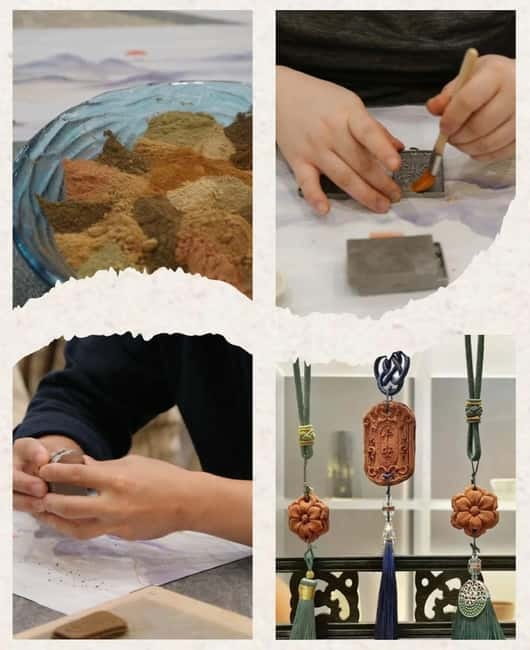
This is where you start thinking like a maker, not a customer. You’ll choose from different molds and you can customize your tablet’s look with decorative cords or beads.
The carved symbols aren’t random clip-art. They carry meaning in Chinese visual language:
- Bats for luck gives you an auspicious theme
- Lotus flowers for purity gives you a softer, spiritual feel
- Zodiac animals lets you connect it to your personal year or identity
The result is a tablet that’s easy to gift because it feels intentional. And because it’s made with molds that already have detailed carvings, you don’t need artistic ability to get something attractive.
Add cords or beads and suddenly you’ve got a charm you can hang—on a bag, as a pendant, or as a keepsake you’ll actually use. Many people like the idea that it’s both cultural and practical.
Try your hand at another Shanghai workshop



Tea tasting and the culture behind incense
Before you get technical with clay, you’ll start with a cultural introduction to China’s incense tradition—about 2,000 years of use across rituals, medicine, and daily life. You’ll learn how specific fragrances were historically associated with different kinds of use.
You’ll also get a clearer sense of the ingredient logic behind scent choices. That’s helpful even if you don’t plan to buy incense later, because it teaches you how to read fragrance in context rather than treating it like a random product.
And yes, you’ll have tea tasting as part of the experience. The tea isn’t a throwaway add-on. It gives you a slower pace, and it pairs naturally with a class about fragrance and tradition. It also keeps the 1.5 hours from feeling like only labor.
What you take home: gift box, photos, and a tablet that lasts
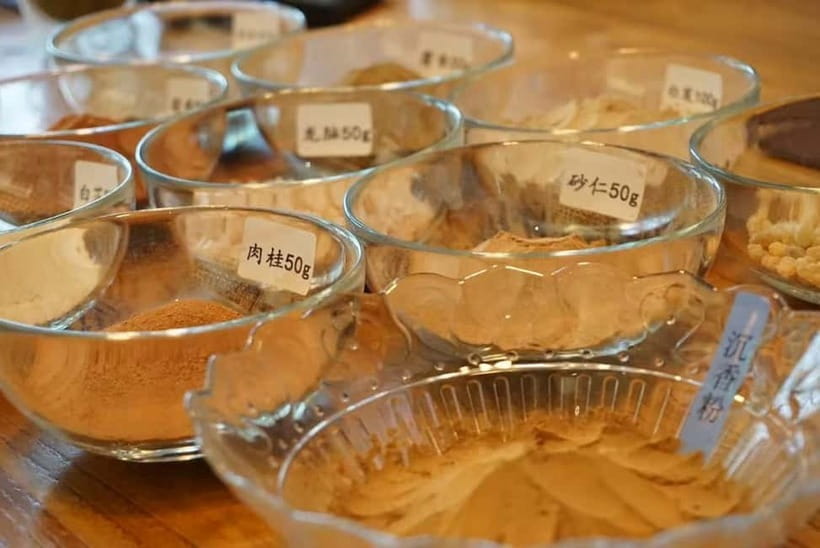
You don’t leave empty-handed, and you don’t leave with a fragile, awkward craft object either.
Here’s what’s included in your take-home package:
- Your finished incense tablet, once dried
- Souvenir packaging in an elegant gift box
- Experience photos you can keep
- A built-in story for the object, so you can explain it later
The aroma is intended to be subtle but long-lasting. The idea is that you can use your tablet for years as a car pendant, a wardrobe sachet, or a decorative charm.
I especially like that it’s practical. A lot of cultural crafts end up as shelf clutter. This one is meant to scent and accompany you.
Also, the gift-box presentation matters if you’re buying for someone. It’s easier to give something packaged like a real gift than something that needs last-minute wrapping.
Price and value: is $78 worth a 1.5-hour class?
At $78 per person for about 1.5 hours, you’re not paying just for clay and a mold. You’re paying for a guided cultural lesson, instructor support, materials, tea, and the “finished product” experience with packaging and photos.
For value, I look at three things:
1) Included materials and instruction
You’re not expected to source anything or bring tools. The workshop provides the inputs and teaches you how to use them.
2) The keepsake is usable, not just decorative
Your tablet is meant to emit aroma for years. That turns the cost from a short-term activity into a longer-term memory.
3) You get more than an object
Experience photos and the gift-box packaging help you document and share what you made.
One realistic consideration: it’s a private group, but it still stays short. If you want a full-day itinerary, you’ll need to pair this with other nearby sights. If you want a focused, meaningful craft stop, it fits your schedule well.
Who this Shanghai incense class suits best
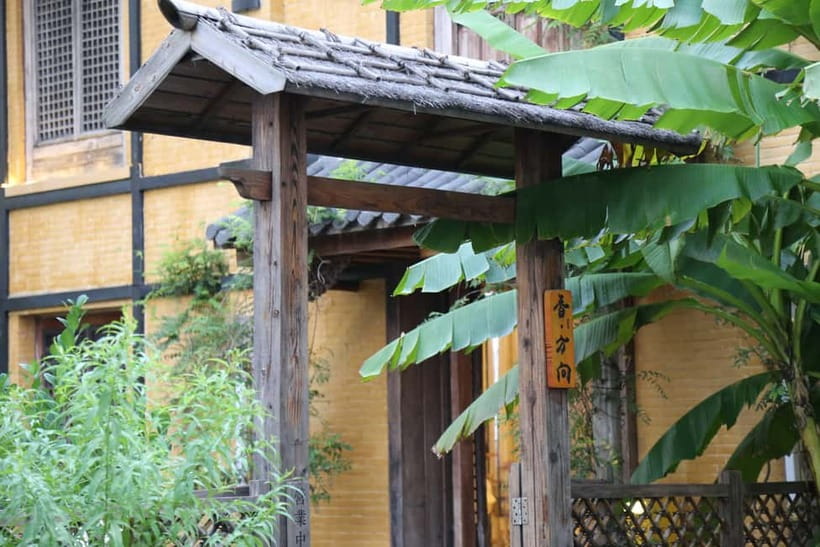
This class works best if you like any of the following:
- You want hands-on culture rather than a lecture
- You’re interested in Chinese herbal incense and how it links to everyday life and traditional medicine
- You enjoy crafts but don’t want a complicated learning curve
- You want a gift that feels personal and culturally grounded
It’s also a solid choice for families and small teams looking for something collaborative. The shaping steps are straightforward enough to keep beginners engaged, and the personalization part gives everyone something to claim.
If you’re traveling solo, private group format can also feel less chaotic than big classes. You get a calmer environment and more direct correction on technique.
Practical tips before you book (based on how the class works)
Here are the details that can make your experience smoother:
- Plan for self-arrival: hotel pickup and drop-off aren’t included, so build in time to reach the yellow historic villa.
- Use WhatsApp for meeting info: the exact address and meeting details arrive via WhatsApp after you confirm.
- Bring your patience for drying: you’ll make the tablet in the class, but the aroma payoff is after it dries.
- Think about symbolism: choosing a bat, lotus, or zodiac mold changes how personal the final gift feels.
- Go in curious, not perfect: the best results come from correct pressure and edge finishing, not artistic talent.
One more small point: the studio is described as neat and bright, with tools arranged in order and a calm setting. That kind of organization makes a hands-on class much more relaxing.
Should you book the Shanghai incense tablet making class?
Book it if you want a Shanghai activity that’s truly hands-on and leaves you with something that lasts—an incense tablet with a gentle scent, in gift-ready packaging, plus photos from the experience. It’s a strong fit for couples, small groups, and anyone who likes crafts tied to culture rather than generic souvenirs.
Skip it if you’re looking for a longer sight-based tour or you dislike anything that requires patience while something dries. Also, if you need hotel pickup, you’ll want to arrange your own transport to the meeting point at the yellow historic villa.
If your ideal souvenir is both meaningful and useful, this one checks the boxes.
FAQ
Where do I meet for the Shanghai incense tablet class?
You meet at the yellow historic villa. The address and meeting details are sent to you via WhatsApp after your booking is confirmed.
How long is the experience?
The class lasts about 1.5 hours.
What is included in the price?
All materials, tea tasting, souvenir packaging, experience photos, and WhatsApp customer service are included. Tipping is not included.
Is there pickup or drop-off from the hotel?
No. Pick up or drop off service is not included, so you’ll need to make your own way to the meeting point.
Do I get to customize my incense tablet?
Yes. You can choose molds and personalize your tablet with decorative cords or beads.
What language will the instructor speak?
The instructor is available in English, Chinese, Korean, and Japanese.
Is the workshop accessible?
The experience is wheelchair accessible.
Can I cancel if my plans change?
There is free cancellation up to 24 hours in advance for a full refund.
—
If you tell me your travel dates and what you like most in Shanghai (food, temples, hands-on crafts, wellness), I can suggest a simple pairing plan for the rest of your day around this class.
Hands-On Workshops & Classes
More Tour Reviews in Shanghai





Tea, Brush & Craft Sessions



Just In: The Newest Shanghai Reviews











Tea, Calligraphy & Chinese Crafts, compared.
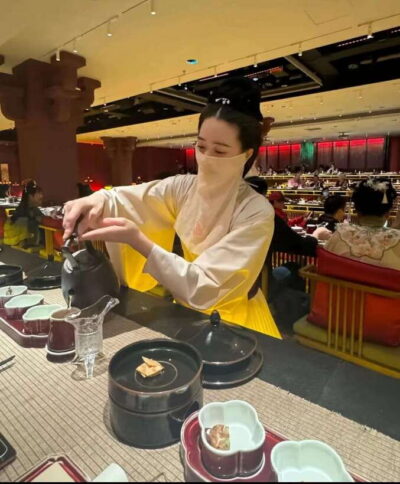 ★ 4.7Royal Banquet with Chinese Cultural PerformanceFrom $117124 reviews
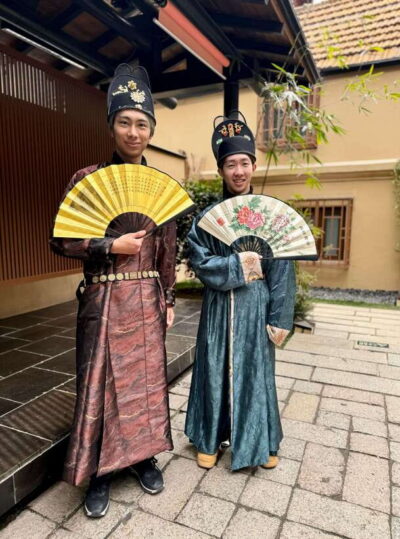 ★ 5.0Shanghai Guided Royal Banquet Photo (Incl) with Massage OptFrom $2047 reviews
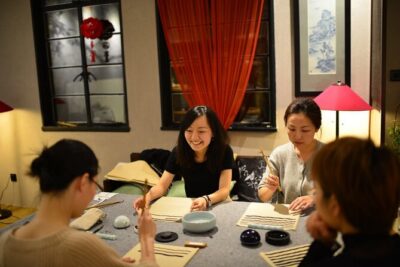 ★ 5.02-Hour Chinese Calligraphy with an Artist in Shanghai, ChinaFrom $5046 reviews
 ★ 4.5Biking Real Shanghai& Tea Tasting ExperienceFrom $8845 reviews
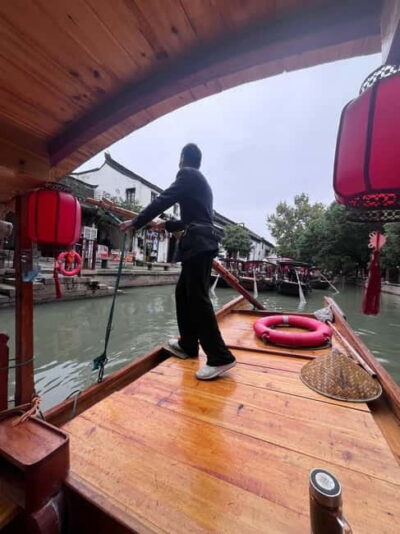 ★ 5.0Zhujiajiao Water Town with Calligraphy ExperienceFrom $12517 reviews
 ★ 5.03-Hour Shanghai Yu Garden &Old Town Private Tour with Tea TastingFrom $8017 reviews
 ★ 5.02-Hour Private Chinese Ink and Brush Painting Workshop in ShanghaiFrom $11815 reviews
 ★ 5.02.5hrs Chinese Kitchen Cooking Class: Xiaolongbao Soup DumplingsFrom $9812 reviews
Browse the lists this tour appears in