
Reviewed · THE BUND SKYLINE WALKS
3-Hour Private Tour to Jewish Ghetto and Shanghai Bund
Shanghai has a Jewish story few expect. This private 3-hour walk links the Jewish Refugees Museum to Shanghai’s former Jewish neighborhoods, then finishes along the Bund’s British-Jewish art-deco side.
I like how the tour pairs museum artifacts and films with street-level sights like stone gate houses and back alleys. And I really value the convenience of hotel pickup and private transfers, so you spend your energy learning instead of hunting taxis.
One thing to plan for: pickup is limited to downtown hotels. If you’re staying farther out (or at places like Pudong airport/Disneyland area), you’ll likely meet the guide closer to downtown or follow their meeting instructions.
In This Review
- Key highlights worth planning for
- Why Shanghai’s Jewish Quarter and Bund pairing makes sense
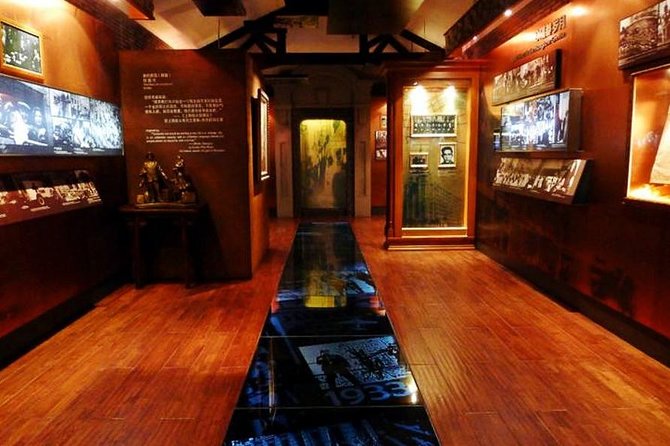
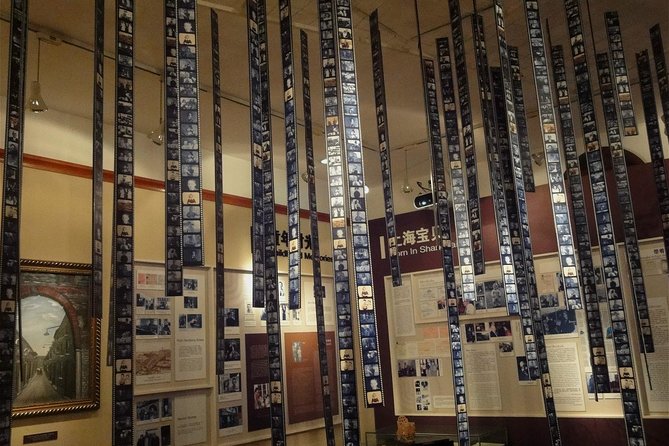
- Stop 1: Jewish Refugees Museum at Ohel Moishe Synagogue
- Stop 2: The Shanghai Jewish Ghetto streets and stone gate houses
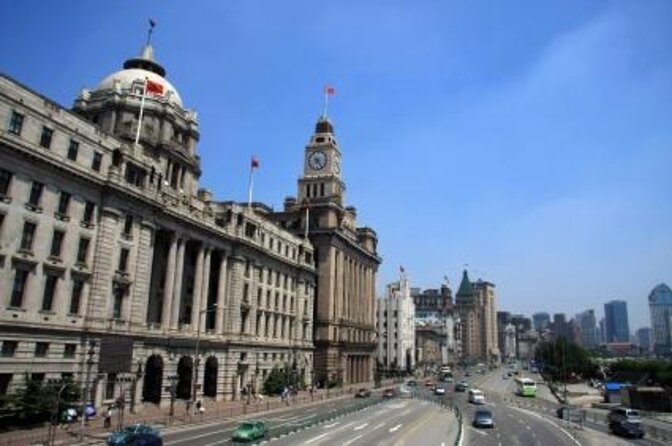
- Stop 3: The Bund waterfront, Peace Hotel area, and British-Jewish art-deco clues
- The private tour format: how the pace and transport actually help
- Value check: what $90 per person really buys you
- Who this tour fits best (and who might skip it)
- Quick practical tips before you go
- Should you book this 3-hour Jewish Ghetto and Bund private tour?
- FAQ
- How long is the private tour?
- How much does it cost?
- Is hotel pickup included?
- What vehicle will you use for transfers?
- What’s included in the ticket price?
- Is admission charged at every stop?
- Can you cancel for a full refund?
Key highlights worth planning for
- Jewish Refugees Museum (Ohel Moishe Synagogue) with photos, films, and personal items
- Little Vienna-era streets: stone houses, winding back alleys, and former community spots
- Former Jewish park and JDC center area for context on refugee life and aid
- Bund finale at the Peace Hotel area, tied to Sassoon family British-Jewish heritage
- English-speaking private guide with flexible morning or afternoon departures
- Smart local transport: Uber-style rides for small parties, mini van for larger groups
Why Shanghai’s Jewish Quarter and Bund pairing makes sense
This tour works because it tells one story in two visual languages. The Jewish Refugees Museum gives you the personal scale of what happened, using photographs, films, and artifacts. Then you walk out into the neighborhood spaces where those stories played out—stone gate houses, older residential pockets, and the kind of alleys where day-to-day life actually happened.
Finally, the Bund portion is not just photo time. It connects the refugee-era Shanghai you just learned about to the European (and specifically British-Jewish) imprint visible along the waterfront. The Peace Hotel area is the signature stop here, and guides often use it as a way to explain how money, networks, and architecture moved through the city.
You’ll also notice how many guides are praised for keeping the timeline clear. In particular, names that show up again and again include Lea, Sunny, Annie, Mason, Aron, Robert, and Ruby. That matters because this topic can feel scattered if it’s taught as trivia. Here, it’s treated as a sequence—from earlier migrations through the refugee years and into what survived.
Keep walking the Bund and the waterfront
Stop 1: Jewish Refugees Museum at Ohel Moishe Synagogue
Your first stop is the Jewish Refugees Museum, housed at the Ohel Moishe Synagogue. You’ll get picked up at your hotel in Shanghai’s downtown area, ride over with the guide in a private vehicle, and then spend about 1 hour 20 minutes inside.
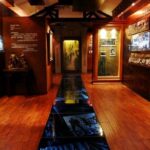
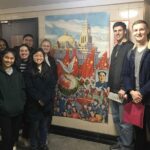
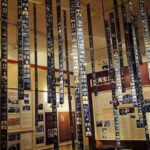
What I like about this first hour is that it sets emotional and historical anchors before you go outside. The museum focuses on the life of Jewish refugees in Shanghai using document-style materials, plus collections of photographs, films, and personal items. It’s the kind of setup that helps you understand why later streets and buildings matter, instead of treating them as random old architecture.
A practical note: the museum is described as well maintained, and many guides are known for adjusting the pace to the group. If you like to pause and read slowly, you’ll usually appreciate that. If you’re tight on time, you can still see plenty because the core storyline is built into the exhibits.
Drawback to consider: this stop is a museum, so it’s not built for nonstop walking. If you’re the type who gets restless sitting in galleries, you’ll want to lean into the artifacts and let the guide point out the items that explain the story quickly.
Stop 2: The Shanghai Jewish Ghetto streets and stone gate houses
After the museum, you head into the neighborhood layer of the story. This part is about place names and physical clues—how communities clustered, how the city shaped movement, and where aid and gathering happened.
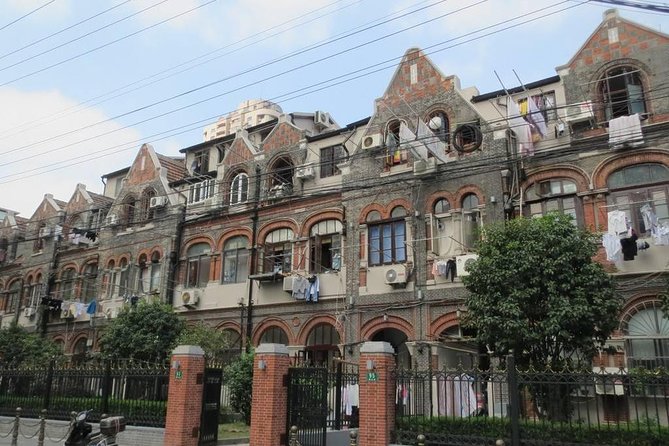
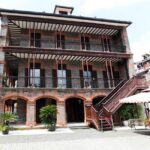
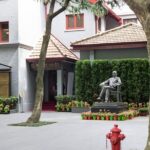
You’ll visit the old Jewish park area and an older JDC center location. Then you’ll see historic stone gate houses—buildings that once sheltered thousands of refugees. The stop also includes time in nearby back streets, where the route is meant to help you grasp how this community fit into everyday Shanghai.
This is the portion that turns your understanding from facts into geography. You start noticing differences in architecture and alley layout compared with other older Shanghai areas. It’s also where guides often connect the story to what refugees carried with them culturally, even when daily life was shaped by scarcity.
Time-wise, this segment is about 1 hour, and the admission here is free in the tour flow. That’s a nice value detail because the guided context is the real “ticket.” You’re paying for the interpretation: what each corner is likely to have meant, and why certain buildings matter more than they look from the sidewalk.
Possible consideration: you are walking among older streets and alleys. That’s great for understanding the area, but it does mean you should wear comfortable shoes. If rain hits, you’ll still be able to go—this tour runs in all weather—but you’ll feel the difference.
Stop 3: The Bund waterfront, Peace Hotel area, and British-Jewish art-deco clues
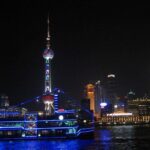
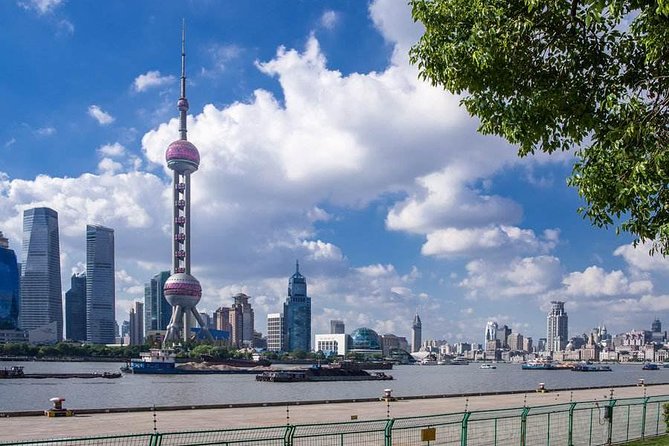
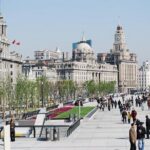
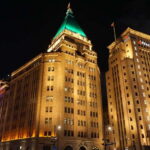
The last leg brings you to the Bund (Wai Tan), Shanghai’s classic waterfront promenade. This stop is about 50 minutes, and the tour describes a visit to the Peace Hotel, linked to British-Jewish Sassoon family heritage.
Here’s what I like: the guide can use the Bund’s architectural style to explain how European-Jewish networks and colonial-era Shanghai history overlapped. You’ll see art-deco elements and get a sense of how the city’s global connections formed a backdrop for refugees who were arriving from elsewhere in the same era.
This portion is also less emotionally heavy than the ghetto neighborhood pieces, which makes it a good “breather” before you head back to your day. It’s a chance to take photos and also to reframe what you learned: Shanghai wasn’t just one kind of place. It held multiple worlds side-by-side.
Practical tip: this is waterfront territory. Even if it’s not listed as a big walking route, plan for wind and changing light. If you’re photographing, go with layers so you can stay comfortable while the light shifts.
The private tour format: how the pace and transport actually help
The big quality-of-life feature here is the private setup. It’s just your group, not a shuffle of strangers. That means the guide can control pacing, pause for questions, and spend more or less time where your interests are strongest—museum artifacts, street architecture, or the Bund comparisons.
Pickup is offered, and the transfers are handled in a private vehicle:
- For 1–4 people, you travel in a local premium Uber-style car.
- For more than 4, you get an air-conditioned mini van.
That matters because traffic in Shanghai can be unpredictable. You don’t want your museum or walking time eaten by transit uncertainty. This format also typically feels smoother at the start, since you meet your guide at the hotel lobby (downtown hotels).
One more practical detail: departures are flexible morning or afternoon. That’s handy if you’re balancing jet lag, other museum visits, or a later dinner plan on the Bund.
What you should watch: hotel pickup is only for downtown locations. If your hotel is outside the downtown core, the tour says you’ll get instructions to meet near downtown instead (and it explicitly notes some outer areas like Jiading, Songjiang, Qingpu, Jinqiao, Chuansha). If you stay in those zones, read the meeting guidance carefully so you don’t burn time figuring it out on arrival day.
More of the city's layered history, up close

Value check: what $90 per person really buys you
At $90 per person, this isn’t a bargain-basement walking tour. But it also isn’t just “a guide with a headset.” You’re paying for several things that add up fast in a city like Shanghai:
- A private, English-speaking guide focused on a specific theme (Jewish refugees and the Bund connection)
- Hotel pickup within the downtown area plus comfortable transfers
- Time inside the Jewish Refugees Museum, where the tour includes the admission ticket
- Guided walking plus interpretation at ghetto-area locations and the Bund finish
Because the itinerary blends museum time with neighborhood walking, the guide’s role is central. If you only paid for museum tickets, you’d still miss how the pieces connect: what the museum artifacts explain, how the stone structures reflect refugee clustering, and why the Peace Hotel area fits into the bigger Shanghai picture.
If you’re a solo traveler, the private nature can feel like extra value because you avoid waiting around for a larger group to gather. If you’re a family, the private setup can also reduce friction—less lost time, fewer schedule compromises.
Who this tour fits best (and who might skip it)
This is a strong match if you:
- Want a more unusual Shanghai story than the standard city highlights
- Enjoy history with a street-and-building component, not just lecture-style touring
- Like guided context that keeps a timeline clear, from earlier Jewish presence through the refugee era
It may feel less ideal if you:
- Want a long, leisurely waterfront stroll as your main goal. The Bund stop is shorter by design.
- Prefer totally independent sightseeing where you control every minute. This tour’s value comes from being guided and paced.
For families: the tour notes that children must be accompanied by an adult, so plan it as a family history outing rather than a drop-and-go attraction.
Quick practical tips before you go
- Wear comfortable walking shoes. The street parts are key to understanding the neighborhood.
- Plan to bring a light layer for the Bund waterfront, where wind can change the comfort fast.
- If you’re staying outside downtown, confirm your meeting point instructions in advance so you don’t scramble on the day.
- Choose morning or afternoon based on your energy. The whole experience runs about 2.5 to 3 hours, so it should fit cleanly around a meal plan.
Should you book this 3-hour Jewish Ghetto and Bund private tour?
I’d book it if you want Shanghai history that actually changes how you see the city. The museum start gives you human scale. The ghetto-area streets give you spatial understanding. Then the Bund finale ties it to visible architecture and British-Jewish heritage around the Peace Hotel.
I’d also book it if your travel style is practical and focused. The hotel pickup (downtown only), private car/van, and short total duration mean you get a concentrated experience without turning the day into logistics.
Skip it if your top priority is a long Bund walk or you dislike museums. Otherwise, this one is a thoughtful way to spend a few hours in Shanghai’s lesser-known chapters—history you can actually point to on the map.
FAQ
How long is the private tour?
It runs about 2 hours 30 minutes to 3 hours.
How much does it cost?
The price is $90.00 per person.
Is hotel pickup included?
Pickup is included for hotels located in downtown Shanghai. If your hotel is outside downtown, you’ll receive instructions to meet closer to downtown.
What vehicle will you use for transfers?
For 1–4 people, you’ll travel in a local premium Uber. For more than 4, an air-conditioned mini van is provided.
What’s included in the ticket price?
You get a professional English-speaking guide, private tour services, hotel pickup (downtown only), local transportation, and entrance fee to Jewish Ghettos. The Jewish Refugees Museum admission ticket is included for that stop.
Is admission charged at every stop?
The museum stop includes admission. The ghetto-area and Bund parts in the tour flow are listed as free admissions.
Can you cancel for a full refund?
Yes. You can cancel up to 24 hours in advance for a full refund.
More Tour Reviews in Shanghai




The City's Layered History
More of the Bund & the Waterfront

Just In: The Newest Shanghai Reviews



The Bund Skyline Walks, compared.
 ★ 4.0Best of Shanghai Day Tour, including Jade Buddha Temple & Bund & Yuyuan GardenFrom $79338 reviews
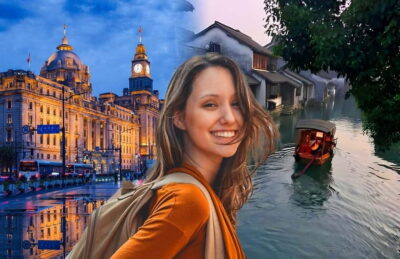 ★ 4.7Yu Garden, Old Street, Bund & Zhujiajiao Water Town Bus TourFrom $60244 reviews
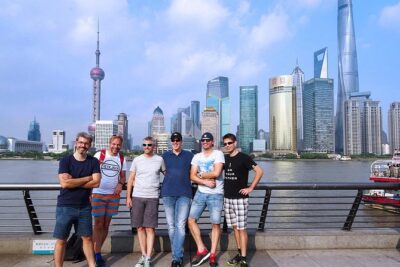 ★ 5.0Shanghai Day Tour to Zhujiajiao Water Town, Yu Garden, Bazaar, BundFrom $229162 reviews
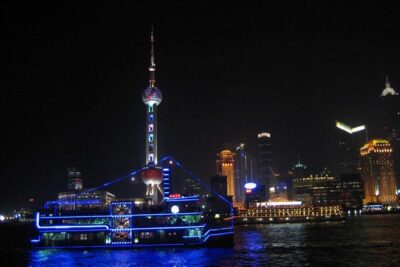 ★ 4.0Huangpu River Cruise and Bund City Lights Evening Tour of ShanghaiFrom $79115 reviews
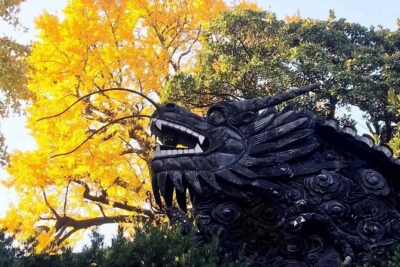 ★ 5.0Private Yu Garden, The Bund, French Concession, Pudong Half-Day TourFrom $12051 reviews
 ★ 5.03-Hour Shanghai Bund Swift Tour with River Cruise or SkyscraperFrom $11226 reviews
 ★ 5.0Customized Private Tour in Shanghai The Bund Yu Garden ZhujiajiaoFrom $515 reviews
 ★ 4.9Jewish Ghetto and Shanghai Bund Private TourFrom $11314 reviews
Browse the lists this tour appears in