
Reviewed · JEWISH SHANGHAI & RED HISTORY WALKS
Tour of Jewish Shanghai led by a Jewish History Expert
Shanghai’s Jewish story is written in plain sight.
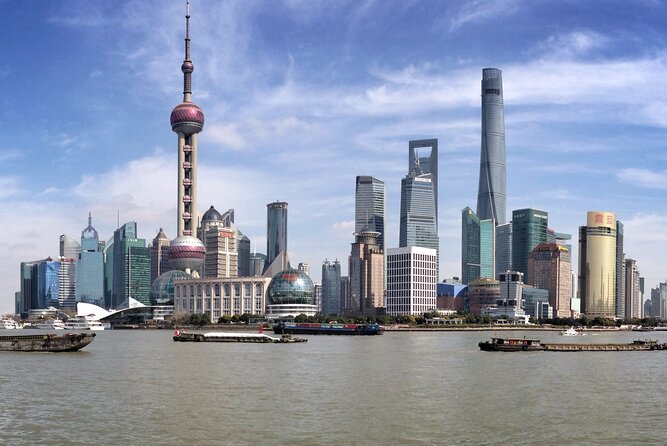
You’ll start on the Bund at the Peace Hotel (built by Sir Victor Sassoon), then head into Hongkou, often called the Shanghai Ghetto, where Jewish refugees lived during WWII. You’ll also connect the dots between earlier Jewish waves in the city and the later wartime escape story that shaped this neighborhood.
Two things I really like: you get an expert history guide (the kind of storytelling that makes the names and dates stick), and the itinerary balances big themes with specific places—especially the former Ohel Moshe Synagogue museum and the Huoshan Park memorial.
One thing to consider: this is first and foremost a history and context tour. If you’re hoping for lots of scenic, postcard-style stops, you may find it feels more like a lesson than a sightseeing loop.
In This Review
- Key points to know before you go
- Starting at the Peace Hotel on the Bund: the Shanghai you thought you knew
- How you’ll understand Hongkou’s Shanghai Ghetto without getting lost in facts
- The Shanghai Jewish Refugees Museum in the former Ohel Moshe Synagogue
- Huoshan Park: a WWII monument you can actually revisit
- Back lanes and a former Jewish home: the “human scale” stop
- Transportation, timing, and group size: how the day actually runs
- Value check: is $96 for Jewish Shanghai a smart use of your time?
- What kind of traveler will enjoy this most?
- Practical tips so your tour day feels smooth
- Should you book the Tour of Jewish Shanghai?
- FAQ
- What is the duration of the tour?
- Where does the tour start and end?
- What places are included on the itinerary?
- Is admission to the Shanghai Jewish Refugees Museum included?
- What is the price per person?
- How big is the group?
- Does the tour run in bad weather?
- Is free cancellation available?
Key points to know before you go
- Peace Hotel on the Bund sets the stage with the Baghdadi-Jewish connection to old Shanghai
- Hongkou district walking helps you see the Shanghai Ghetto area in real city scale
- Shanghai Jewish Refugees Museum (Ohel Moshe Synagogue) gives the clearest on-site context
- Huoshan Park memorial/plaque anchors WWII refugee history in a public space
- Back lanes + a former Jewish home add human scale beyond museum walls
- Small-group feel with a max of 22 travelers and time for seating during the explanation
Starting at the Peace Hotel on the Bund: the Shanghai you thought you knew
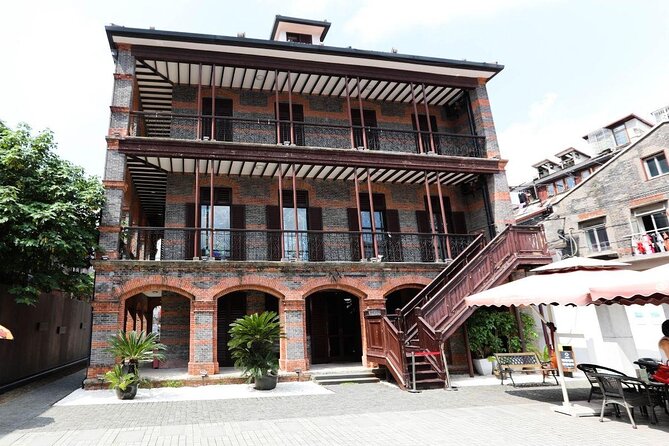
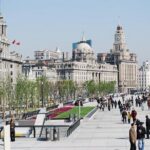
Most Shanghai tours start with modern skylines or shopping. This one starts with the Bund and the Peace Hotel, formerly the Cathay Hotel. That matters because it puts you where old Shanghai’s global trade world happened—right where you can feel how the city drew people in from everywhere.
Your guide talks about the Baghdadi-Jewish legacy of Shanghai at the start. This isn’t just trivia. It helps explain why Shanghai became a place where Jewish communities could take root long before WWII. You’ll leave the “refugee-only” storyline behind and see the longer arc: Shanghai as a crossroads, not just a waiting room.
Practical note: you meet at a central area on/near Nanjing Road (E), then the group gathers for the Bund view at the Peace Hotel. Either way, you’re starting in a place that’s easy to find and easy to orient from.
More of the city's layered history, up close
How you’ll understand Hongkou’s Shanghai Ghetto without getting lost in facts
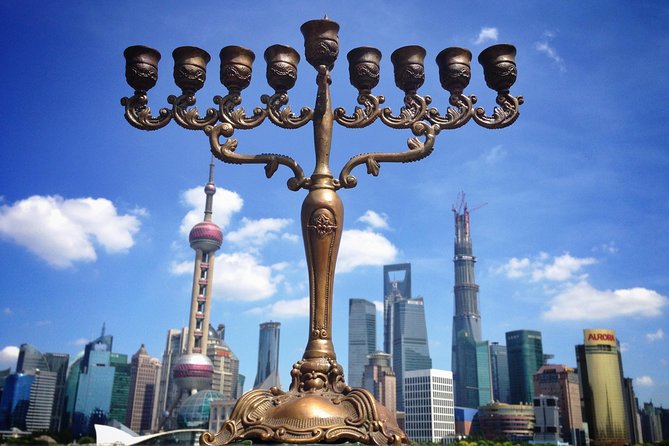
Once you move into Hongkou, your guide frames the neighborhood as more than a label. Hongkou became the part of the city where thousands of Jewish refugees ended up during WWII, and that reality is tied to how people arrived in waves.
Here’s what you can expect: you’ll hear about different waves of Jewish immigration to Shanghai, then your route tightens into the wartime story. The guide uses the geography—what you’re walking past, what buildings used to be, and how the streets feel now—to keep the timeline from turning into a spreadsheet.
You’ll also get off the main tracks. Part of the experience is exploring the back lanes of the district. That’s where the tour becomes more than lecture mode. The streets give you a sense of scale: where daily life would have unfolded, how neighbors would have been seen, and why this area became home for refugees who were trying to survive and remain themselves.
The Shanghai Jewish Refugees Museum in the former Ohel Moshe Synagogue
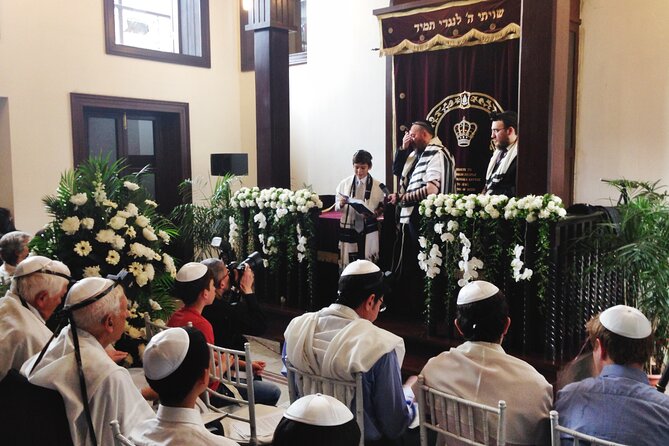
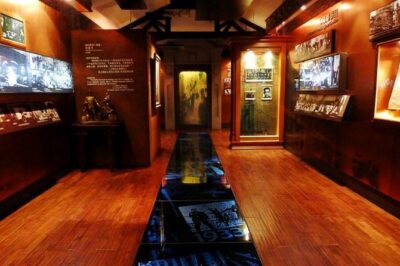
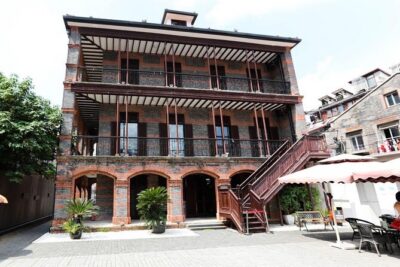
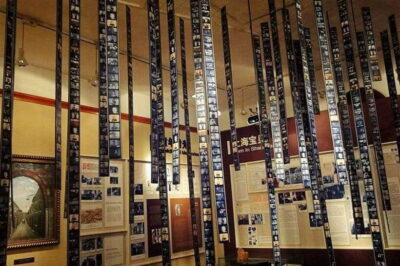
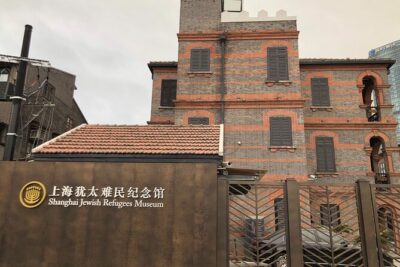
The center of gravity on this tour is the Shanghai Jewish Refugees Museum, housed in the former Ohel Moshe Synagogue (sometimes written as Ohel Moishe/Ohel Moshe depending on sources). This stop is included with admission, so you don’t have to plan extra ticket time.
What makes this museum visit worthwhile is that it’s not just about Jewish history in the abstract. It’s about Jewish life in Shanghai—how people arrived, how community life continued under pressure, and how the past still shows up in the present streetscape.
I like that the museum is paired with outside memorial context (more on Huoshan Park next). That sequencing works: you see a dedicated place for the story, then you step back out into the city where the story is remembered in public space too.
Drawback to flag: if you’re someone who wants action-heavy activities, museums can feel slower. Here, it’s meant to be the anchor that makes the rest of Hongkou make sense.
Huoshan Park: a WWII monument you can actually revisit
After the museum, you’ll head to Huoshan Park to see a monument to the Jewish refugees of WWII and also visit the memorial plaque. This is a smart pairing with the synagogue museum. Museums often live in climate-controlled time. Parks live in daily time.
In other words, you don’t just learn. You stand somewhere that still functions as part of Shanghai’s everyday landscape. That can make the WWII refugee story feel less distant and more like something embedded in local memory.
Tip: since your tour runs about four hours, you don’t want to rush this stop. Take a minute to read and look carefully. A monument and a plaque tend to feel small until you slow down and let them do their job.
Back lanes and a former Jewish home: the “human scale” stop
The tour doesn’t end at monuments and museums. A key feature is exploring the back lanes of Hongkou and visiting a Chinese home where Jewish refugees used to live.
This is one of the most valuable parts for me, because it shifts from collective history to lived experience. A museum can teach the overview, but a former home site can help you picture the practical reality: where people would have slept, gathered, and tried to rebuild routine while the world around them was collapsing.
It also helps you understand why Shanghai’s ghetto-era story is so distinctive. Even when communities were confined, people still had family lives and neighbor lives. This stop keeps the tour from turning into only dates and political outcomes.
More of the city's past, up close
Transportation, timing, and group size: how the day actually runs
This is a half-day, ~4-hour experience. You get private transportation in an air-conditioned vehicle, which helps if Shanghai weather is hot or if you want breaks without losing momentum.
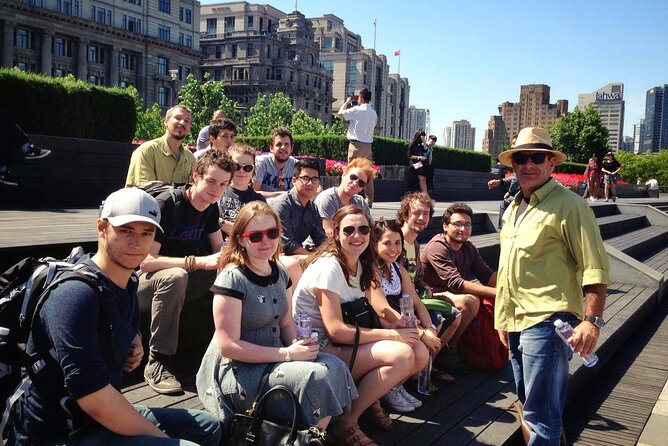
The group max is 22 travelers, which is large enough to keep things organized but small enough that you’re not drowning in crowd noise. In the feedback for this tour, the pacing is repeatedly called out as good, with time to sit periodically. That’s important on history tours, because the brain needs breaks even when the guide is fast and sharp.
Timing matters too. The tour operates in both the morning and the afternoon, but it’s recommended to take the morning option because of tour length and daylight constraints. For you, that simply means a calmer schedule and less pressure to cram “meaningful looking time” into fading light.
One more logistics note: the tour uses a mobile ticket. Make sure your phone battery is healthy before you head to the Bund.
Value check: is $96 for Jewish Shanghai a smart use of your time?
At $96 per person for about four hours, you’re paying for more than walking and entry fees. You’re paying for an expert guide and private transport. You’re also paying for an itinerary that targets specific, high-signal locations: Peace Hotel context on the Bund, the museum in the former Ohel Moshe Synagogue, the Huoshan Park memorial, plus the back lanes and home site.
Here’s how I think about value on tours like this:
- If you show up on your own, you can read signs, but you’ll miss the thread that connects the immigration waves to the WWII refugee story.
- If you only visit the museum, you’ll understand a piece of the story but not the neighborhood geography that shaped daily life.
- This tour stitches those pieces together with a guide who explains the why, not just the what.
That said, it’s not a “quick hits” tour. If you want short photo stops and minimal reading, you may not feel like it’s worth it. But if you like history you can see with your eyes, it’s a strong use of time.
What kind of traveler will enjoy this most?
I think this works best if you:
- Want Jewish Shanghai and WWII history in context, not as a single museum experience
- Enjoy guided storytelling that ties people to places
- Like tours that help you interpret a neighborhood, not just pass through it
It also suits curious general history travelers. Even if Jewish history isn’t your main interest, Hongkou’s story is part of Shanghai’s global identity. You’ll learn how international movement, commerce, and war shaped the city.
If your style is “I need monuments and views, not sitting,” keep expectations realistic. The tour’s strength is explanation and interpretation, with sites as the supporting cast.
Practical tips so your tour day feels smooth
A few things to do before you go:
- Wear comfortable shoes. You’ll be moving through Hongkou back lanes and around museum/park areas.
- Plan for a bit of walking even though you also use vehicle transport.
- Bring water if it’s warm, since food and drinks aren’t included.
- If you have a choice, aim for the morning tour so you get full value from outdoor memorial time.
Also: this tour operates in all weather. So check conditions the morning of and dress for walking.
Should you book the Tour of Jewish Shanghai?
Yes, if you want a guided, place-based understanding of Jewish Shanghai—especially the WWII refugee story in Hongkou—without having to stitch the details together yourself. The strongest selling points are the expert guide, the museum in the former Ohel Moshe Synagogue, and the way the route links the neighborhood’s past to what you can still see today in Huoshan Park and the surrounding lanes.
Skip it only if you want a more casual sightseeing route with lots of open-ended free time. This tour is about meaning, not just movement.
FAQ
What is the duration of the tour?
It runs for about 4 hours.
Where does the tour start and end?
It starts at the Peace Hotel area on the Bund and meets at Nanjing Road (E). It ends back at the meeting point.
What places are included on the itinerary?
You’ll visit the Shanghai Jewish Refugees Museum in the former Ohel Moshe Synagogue, a monument and memorial plaque in Huoshan Park, and you’ll also explore the Hongkou area, including back lanes and a former Jewish home site.
Is admission to the Shanghai Jewish Refugees Museum included?
Yes, admission is included.
What is the price per person?
The price is $96.00 per person.
How big is the group?
The tour has a maximum of 22 travelers.
Does the tour run in bad weather?
Yes. It operates in all weather conditions.
Is free cancellation available?
Yes. You can cancel up to 24 hours in advance for a full refund.
More Tours in Shanghai


More Tour Reviews in Shanghai
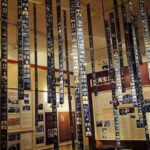
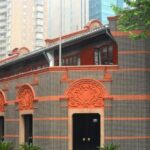
The City's Layered History
Just In: The Newest Shanghai Reviews


Jewish Shanghai & Red History Walks, compared.
 ★ 5.03-Hour Private Tour to Jewish Ghetto and Shanghai BundFrom $9069 reviews
 ★ 4.0Private 2-Hour Walking Tour of Shanghai’s Jewish GhettoFrom $13133 reviews
 ★ 5.0Red Route Tour- Chinese Communist PartyFrom $8523 reviews
 ★ 4.9Jewish Ghetto and Shanghai Bund Private TourFrom $11314 reviews
 ★ 5.0Xintiandi, CCP Museum and French Concession TourFrom $609 reviews
 ★ 5.0Shanghai Propaganda and History Walking TourFrom $735 reviews
 ★ 5.0Shanghai Hidden Histories Walking Tour: Suzhou Creek to The BundFrom $1204 reviews
 ★ 5.0Half-Day Private Tour of Shanghai Jewish SitesFrom $964 reviews
Browse the lists this tour appears in