
Reviewed · JEWISH SHANGHAI & RED HISTORY WALKS
Red Route Tour- Chinese Communist Party
Shanghai history gets personal fast. This 3-hour Communist Party tour mixes a guided walk in Xintiandi with visits tied to party origins and Cultural Revolution-era messaging, so you’re not just reading captions—you’re seeing the places. I love that hotel pickup is included and that the stops are built around how ideas were spread on the streets and in museums. One drawback to flag: it’s focused on political history, so if you want mostly scenery or modern shopping, you may feel a bit heavy on the ideology.
You start with a historian-style guide who keeps the storyline moving. The route is simple: meet at your centrally located Shanghai hotel, walk the key neighborhood sites, then head onward to the propaganda poster museum for a close look at how the Cultural Revolution used images and slogans. You’ll cover major moments in modern Chinese history in a way that’s structured for a half-day, not a full-day museum marathon.
In This Review
- Key highlights and why they matter
- Starting in Xintiandi: where the story takes shape
- The CCP origin stops: connecting politics to place
- Propaganda Poster Art Centre: how images do the talking
- Xintiandi BeiLi: finishing the walk with context
- The historian guide effect: what you’ll learn faster
- How the route moves around Shanghai (and why that’s practical)
- Price and value: $85 for a focused half-day
- Who should book this, and who might skip it
- Practical tips before you go
- Should you book the Red Route Tour: Chinese Communist Party?
- FAQ
- How long is the Red Route Tour: Chinese Communist Party?
- What does the tour cost?
- Is hotel pickup included?
- Where does the tour start?
- Do I need to buy admission tickets?
- How do you get between stops?
- Is this tour private?
- What should I wear or bring?
- What if I need to cancel?
Key highlights and why they matter
- Hotel pickup from a centrally located Shanghai hotel keeps the first hour from turning into transit stress
- Xintiandi-area walking route lets you connect party origins to the urban texture around you
- Propaganda Poster Art Centre visit focuses on visual messaging from the Cultural Revolution
- Historian guide commentary turns scattered facts into a timeline you can actually follow
- Private group format keeps questions and pacing in your control
- Comfortable walking shoes recommended because you’ll be on foot for parts of the route
Starting in Xintiandi: where the story takes shape
The tour kicks off in Xintiandi, and that choice is smart. You’re not starting in a classroom. You’re starting in a Shanghai neighborhood that feels like a living stage—shops, restaurants, and that mix of old-and-new city layers that makes history feel less abstract.
You’ll meet your guide at your centrally located hotel, then head to the Xintiandi area. From there, expect a guided walk through the district. The route is designed to help you pick up the feel of the place quickly: you’ll pass upscale restaurants and fancy boutiques as you move toward the area tied to the party’s early story. That contrast matters. You’re seeing how today’s Shanghai can sit right on top of the locations where modern political change took root.
What I like about this approach is that the tour uses your eyes. Even before you hit the museum portion, you’re already paying attention to the streetscape—where people moved, where power claimed space, and how a city’s identity shifts over time.
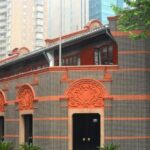
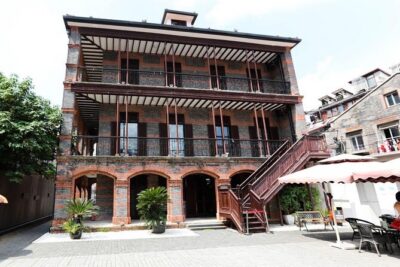
More of the city's layered history, up close
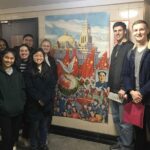
The CCP origin stops: connecting politics to place
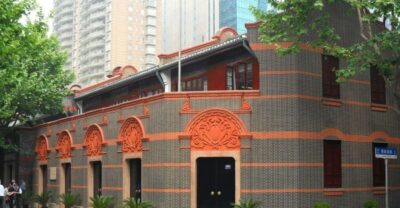
After the initial walk, the route focuses on the “birthplace” angle—your guide ties the early roots of the Chinese Communist Party to specific locations in the Xintiandi area. The tour’s language is straightforward: you’re there to learn about how the party formed and how that formation became the anchor for what followed.
A key detail is that you’re not just looking at plaques. The guide’s job is to stitch the timeline together while you move. That’s why the tour is structured around short hops and short walking sections. If you’re the kind of person who gets lost when you’re reading alone, this format helps. You can ask, pause, and re-check what you’re hearing without needing to translate your way through everything.
Also worth noting: the tour notes show admission marked as free at the listed stops. At the same time, the overall experience lists admission as not included. That conflict isn’t rare in travel products, and it means you should confirm the exact situation with the operator before you go—especially if you’re relying on free entry to keep the trip budget tight.
Propaganda Poster Art Centre: how images do the talking
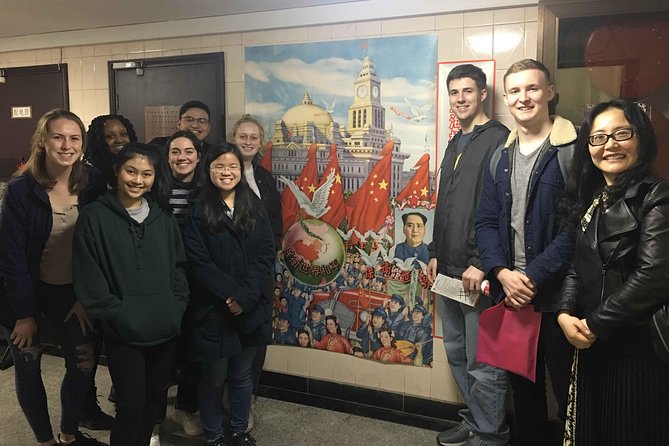
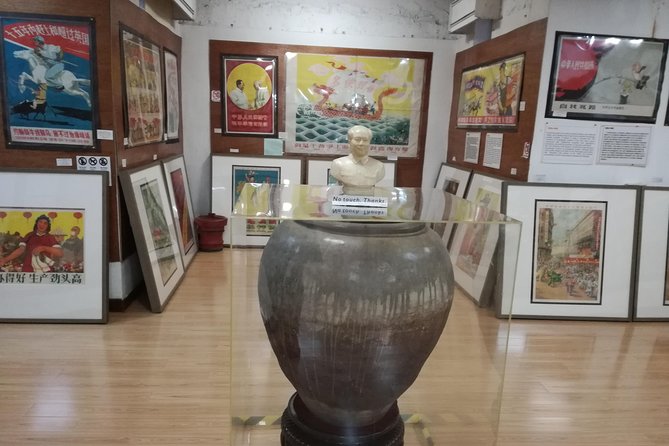
Then comes the part most people remember: the Propaganda Poster Art Centre. This is where the tour leans into the Cultural Revolution-era messaging in a very visual way.
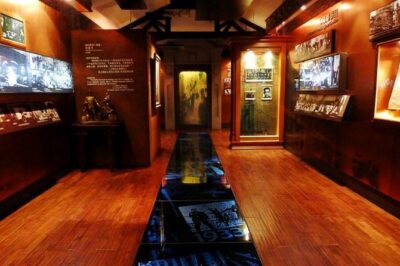
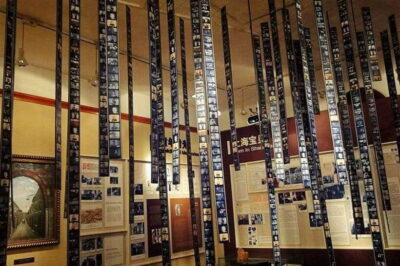
Expect to spend time viewing materials that are tied to that period. Posters, slogans, and graphic styles aren’t just historical artifacts here—they’re treated like communication technology. Your guide uses them to explain what the imagery was trying to achieve: shaping attitudes, reinforcing loyalty, and building a shared narrative through repetition.
This stop is valuable for two reasons. First, it gives you a concrete way to understand official messaging—what it looked like and how it worked. Second, it helps you see why political power doesn’t stay only in offices. It moves into public space, printed media, and everyday attention.
If you’re sensitive to politically loaded material, go in with the right expectations: this isn’t a neutral art lesson that pretends context doesn’t exist. The museum content is the point.
Xintiandi BeiLi: finishing the walk with context
The route includes another Xintiandi-area stop labeled XinTianDi BeiLi. In practice, this part of the tour helps you land the story after the poster museum portion. By the time you reach this area, you’ve heard the earlier timeline and seen the Cultural Revolution messaging. That makes the final neighborhood stop feel like a wraparound: the guide can connect earlier party origins to the later decades without making you mentally sprint between unrelated topics.
I like that this isn’t a “hit one museum and run” plan. The last stretch keeps you on foot and keeps you in the city. You’re not only learning about history—you’re leaving with a clearer mental map of how history uses geography.
The historian guide effect: what you’ll learn faster
The tour is built around a professional historian guide, and the reviews attached to this experience emphasize a specific strength: crisp storytelling plus helpful extras after the tour.
One guide name that comes up is Penny. She’s described as a fountain of knowledge, with a talent for walking people down a Chinese history timeline and explaining how colonial-era pressures and foreign presence affected China’s trajectory. If your main goal is understanding why the CCP has such a strong grip today, this “timeline plus context” approach is exactly what you’re looking for.
Another detail from the guide experience: people value that the guide didn’t just end at the last stop. Afterward, they were given practical restaurant and shopping recommendations. That’s small, but it makes the tour feel like something tied to your actual day in Shanghai, not a standalone event.


How the route moves around Shanghai (and why that’s practical)
Your movement between locations is part of the plan. The overview notes that after starting in Xintiandi, you continue to the Propaganda Poster Art Centre by subway or taxi. Since transportation to and from attractions is listed as not included, you should expect the cost and logistics to depend on how the operator executes that leg for your group.
That means two practical things for you:
- Be ready for a short transit segment between the neighborhood area and the museum stop.
- Don’t plan to squeeze in another big activity immediately after the 3-hour window, because timing can shift depending on the route and the flow of public transit or taxi availability.
Also, the experience is marked as private. That usually helps with pacing and means the guide can adjust based on your group’s questions and comfort level.
Price and value: $85 for a focused half-day
At $85 per person for about 3 hours, this is priced like a guided historical experience rather than a self-guided entry ticket. The main value levers are:
- Hotel pickup from a centrally located spot, which saves time and helps you avoid “where do I meet” confusion.
- A historian guide who does the heavy lifting of explaining connections between stops.
- A route that’s compact and structured, so you don’t spend your half-day mostly figuring things out.
If your goal is simply to see one museum and you don’t care about context, you might find cheaper ways to spend your time. But if you want the “why” behind what you’re seeing—especially around CCP development and Cultural Revolution-era messaging—this price can feel fair for what you get.
One more angle: the tour is recommended by 100% with a strong rating, which is a good sign that people aren’t just buying an activity—they’re leaving with a clearer understanding. (Your mileage will still depend on how much political history you actually enjoy.)
Who should book this, and who might skip it
This tour fits you best if:
- You want a structured explanation of modern Chinese political history tied to real locations in Shanghai.
- You’re curious about how propaganda worked through everyday media and public messaging.
- You like museum learning that has a guide doing interpretation, not just audio labels.
You might skip it if:
- You’re primarily here for architecture, skyline views, or purely modern city life with minimal political context.
- Visual political material might feel like too much for your comfort level during one short outing.
The good news is that the pacing is half-day. You can keep the rest of your Shanghai time lighter—markets, food streets, river views—while this tour handles the political-history segment.
Practical tips before you go
This isn’t a “dress up” event. It’s walking plus museum time.
- Wear comfortable walking shoes. The route includes neighborhood walking in the Xintiandi area.
- Bring patience for short transit legs. You’ll move by subway or taxi for at least one segment, and transportation isn’t listed as included.
- Have a plan for snacks and hydration. Food and drinks aren’t included, and the tour is only about 3 hours, so you’ll likely want to eat before or after.
- If you’re traveling with kids, children must be accompanied by an adult.
For ticketing, you’ll use a mobile ticket, and the tour notes say it’s near public transportation—handy if anything runs late.
Should you book the Red Route Tour: Chinese Communist Party?
I’d book this if you want the shortest path to understanding how CCP origins and later messaging show up in Shanghai places you can actually stand on. The hotel pickup and the historian-guided timeline make the experience feel efficient, not rushed. And the Propaganda Poster Art Centre is a strong anchor stop if you care about how images carry ideology.
I’d skip it if you’re looking for a light, purely scenic afternoon or if political content would drain your energy. This tour spends its time on ideas, not distractions—and that’s the point.
If your Shanghai trip has even a little room for “how this country got here,” this is an easy one to say yes to.
FAQ
How long is the Red Route Tour: Chinese Communist Party?
The tour lasts about 3 hours.
What does the tour cost?
It costs $85.00 per person.
Is hotel pickup included?
Yes. Hotel pickup is included from a centrally located Shanghai hotel. Hotel drop-off is not listed as included.
Where does the tour start?
It starts in the Xintiandi area, after meeting your historian guide at your centrally located hotel.
Do I need to buy admission tickets?
Admission is listed as free in the stop details, but the experience also notes that admission tickets are not included. It’s smart to confirm the exact entry situation for the specific sites on your date.
How do you get between stops?
After starting in Xintiandi, you continue to the Propaganda Poster Art Centre by subway or taxi. Transportation to and from attractions is listed as not included.
Is this tour private?
Yes. It’s listed as private, meaning only your group participates.
What should I wear or bring?
Comfortable walking shoes are recommended, and since food and drinks aren’t included, plan to eat before or after.
What if I need to cancel?
You can cancel for a full refund up to 24 hours in advance of the experience start time. If you cancel less than 24 hours before, the amount paid is not refunded.
More Tours in Shanghai
More Tour Reviews in Shanghai
The City's Layered History
Just In: The Newest Shanghai Reviews



Jewish Shanghai & Red History Walks, compared.
 ★ 5.0Tour of Jewish Shanghai led by a Jewish History ExpertFrom $96106 reviews
 ★ 5.03-Hour Private Tour to Jewish Ghetto and Shanghai BundFrom $9069 reviews
 ★ 4.0Private 2-Hour Walking Tour of Shanghai’s Jewish GhettoFrom $13133 reviews
 ★ 4.9Jewish Ghetto and Shanghai Bund Private TourFrom $11314 reviews
 ★ 5.0Xintiandi, CCP Museum and French Concession TourFrom $609 reviews
 ★ 5.0Shanghai Propaganda and History Walking TourFrom $735 reviews
 ★ 5.0Half-Day Private Tour of Shanghai Jewish SitesFrom $964 reviews
 ★ 5.0Shanghai Hidden Histories Walking Tour: Suzhou Creek to The BundFrom $1204 reviews
Browse the lists this tour appears in